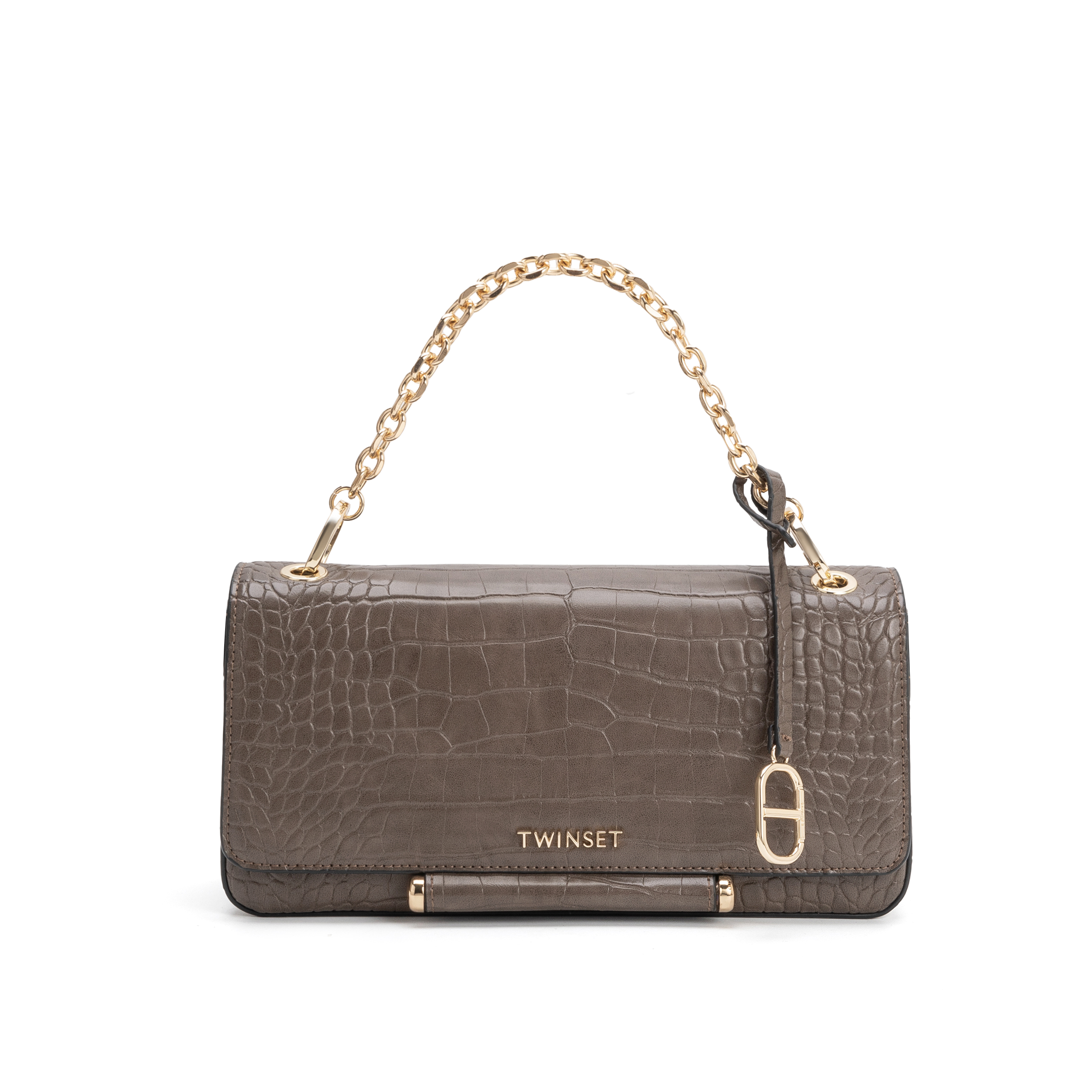
You’re ready to launch a handbag under your own brand. Should you choose an existing factory style and add your logo, or develop a bag from your own design? Start with the features your customers care about most. If an existing bag already has the right size, shape, and function, it may need only a few changes. If a specific feature is central to your design, it may be worth developing a custom sample.
In this guide, private label handbags are existing factory styles adapted for your brand, while fully custom handbags are developed to your specifications. Factories may use these terms differently, so when asking for a quote, describe which details you want to keep and which ones you need to change.
How Do Private Label Handbags Work?
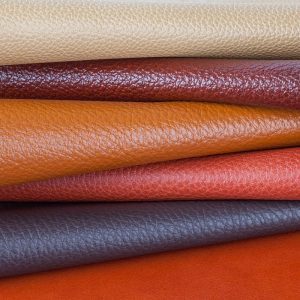
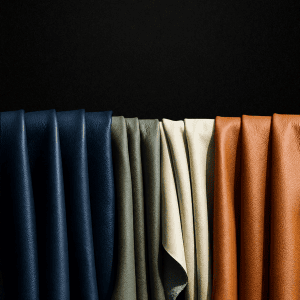
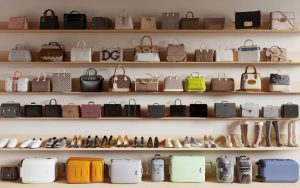
Choose a style from the factory’s collection, then check which materials, colors, logo options, and packaging are available. Depending on the bag, you may also be able to change the lining, zipper pull, or hardware finish.
Advantages of Starting with an Existing Style
- Less development work. If the factory can reuse the pattern and has the materials and hardware available, it can often prepare a branded sample sooner. You can start by reviewing a physical bag even if you don’t have a sketch or tech pack.
- A more manageable first order. Using an existing pattern can reduce development costs. If the factory’s minimums allow it, you can try a couple of colors or styles and see how customers respond before placing a larger order.
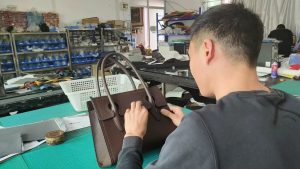
- A sample you can check before production. Review the dimensions, strap length, and zipper on a physical sample. Ask to see your logo on the actual material, especially if the surface has a pronounced texture.
- Clear specifications for reorders. Keep the approved sample, material code, logo artwork, and packaging details so the factory has a reference when you order again.
Limitations of Private Label Handbags
- Other brands may sell a similar bag. Your colors, logo, and packaging can give it a distinct look, but the factory may offer the same base style to other buyers. If exclusivity matters, ask what the factory can reserve for you and confirm the terms in writing.
- There are limits to structural changes. A different zipper pull may fit the existing design. A wider opening, a new silhouette, or a padded laptop compartment can require pattern changes and another sample.
- Similar products make price comparisons easier. If shoppers can find a similar bag for less, they need a clear reason to choose yours. Better materials, useful details, or dependable after-sales support can help justify the price.
- Reorders depend on availability. The factory may stop making a style or stop stocking a particular buckle or lining. Before choosing a bag you plan to carry long term, ask how the factory handles discontinued components and what substitutes are available.
How Do Fully Custom Handbags Work?
You start with a sketch, reference images, a tech pack, or a sample that shows the features you want. The manufacturer uses that brief to develop a pattern and make a prototype.
Try the prototype the way a customer would use it. Check whether a laptop fits through the opening, whether the handles sit comfortably over a coat, and whether the base holds its shape when the bag is full. If changes affect the structure, the factory may need to revise the pattern or make a second sample. Confirm the final sample before bulk production begins.
Private Label vs. Fully Custom Handbags at a Glance
| What to compare | Private label handbags | Fully custom handbags |
|---|---|---|
| Starting point | An existing factory style | Your design and specifications |
| What you can change | Branding, colors, packaging, and details the style allows | Shape, size, pockets, straps, closures, and materials |
| Development cost | Often lower when the existing pattern can be reused | May include pattern making, prototyping, and revisions |
| Sampling time | Can be shorter if materials and components are available | Allow time for initial sampling and revisions |
| Minimum order quantity | Depends on the style, materials, colors, and branding | Depends on the design and minimums for materials and hardware |
One Work Tote, Two Ways to Develop It
Say the factory already has a work tote with the right dimensions, a zip closure, and handles that feel comfortable. You choose a dark brown material, add your logo, and order a branded dust bag. The factory can quote the changes using its existing pattern.
Now suppose your customers also need a padded sleeve for a 14-inch laptop, a wider opening for easy access, and longer handles for carrying the tote over a coat. To make those changes, the factory may need to revise the pattern, source a different zipper, and make a new sample. That’s where the development cost and timeline can change, even if the two bags look similar from the outside.
Which Option Is Right for Your Brand?
Start with a private label style if an existing bag already meets your main requirements and you want to test which styles or colors sell. Choose fully custom development if customers would buy the bag for a specific shape, size, or feature you can’t find in the factory’s existing collection.
If you’re considering both, send the same brief for each quote. Include your reference images, planned quantity per style and color, preferred material, logo requirements, and the features the bag must have. Then compare the sample fee, unit price, minimum order quantity (MOQ), lead time, and what each quote includes.
Planning a handbag collection for your brand? Send RINA FASHIONBAG your reference images, target order quantity, and the details you’d like to customize. We can help you work out which changes can be made to an existing style and which would require a custom sample.