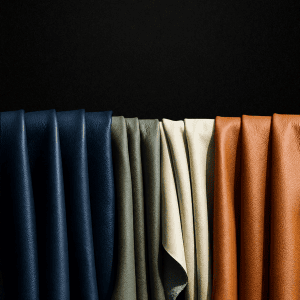
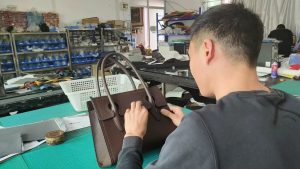
Handbags carry your everyday essentials and are part of how you dress. Whether you’re commuting, traveling for work, or heading to a casual get-together or a formal event, different types of handbags vary in how you carry them, what they hold, how they’re built, and how they open. Knowing these differences can help you choose a bag and give designers, product developers, and buyers a reference for comparing styles. This guide starts with 10 common categories, from roomy totes to smaller types of purses such as wristlets and clutches. It then covers classic constructions, distinctive shapes, materials and finishes, and examples from designer brands. Across 46 entries, two photos per entry show you what to look for and how each style can be carried.
10 Common Types of Handbags and Purses
These common types of bags for women range from roomy totes for work to small bags you can carry in one hand. Start with what you need to carry and how you like to wear it.
01. Tote Bag
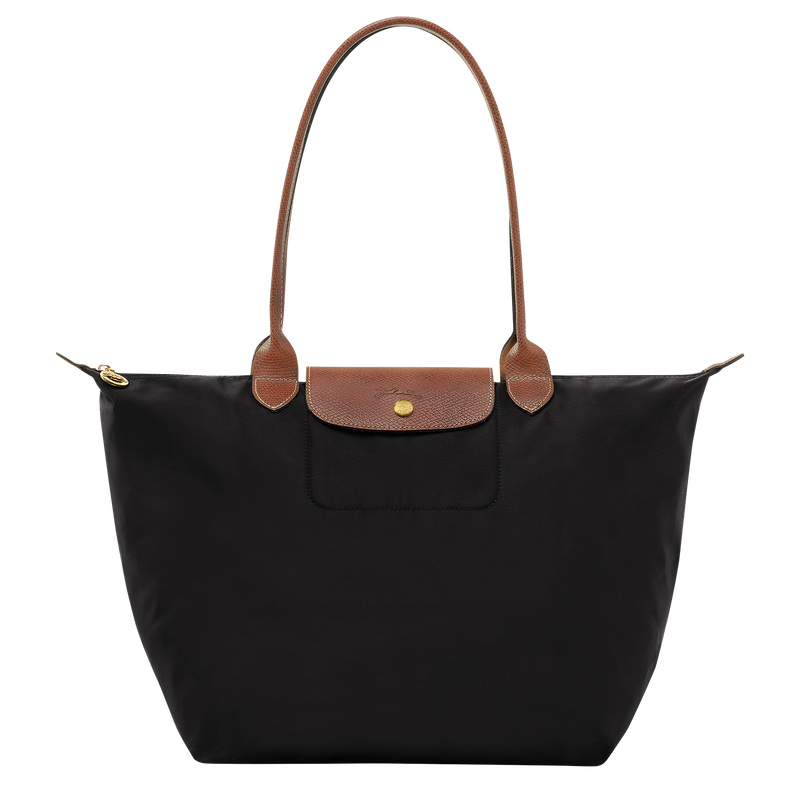
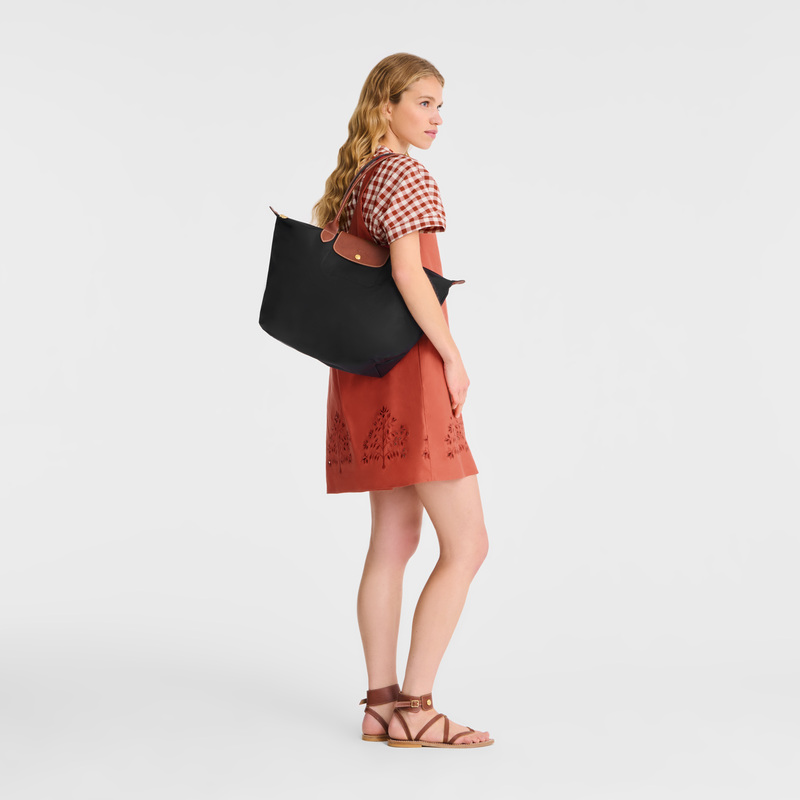
Two parallel handles and a roomy body give a tote its familiar shape. Longchamp’s Le Pliage has handles long enough to carry it on your shoulder. A zip-top tote offers more security on a commute, while an open top makes it quicker to reach inside. Check the handle drop if you plan to wear it over a coat.
Longchamp introduced Le Pliage in 1993. Philippe Cassegrain designed it to fold down when empty, a useful feature for a roomy tote that might also be packed inside luggage. Longchamp brand history
02. Shoulder Bag
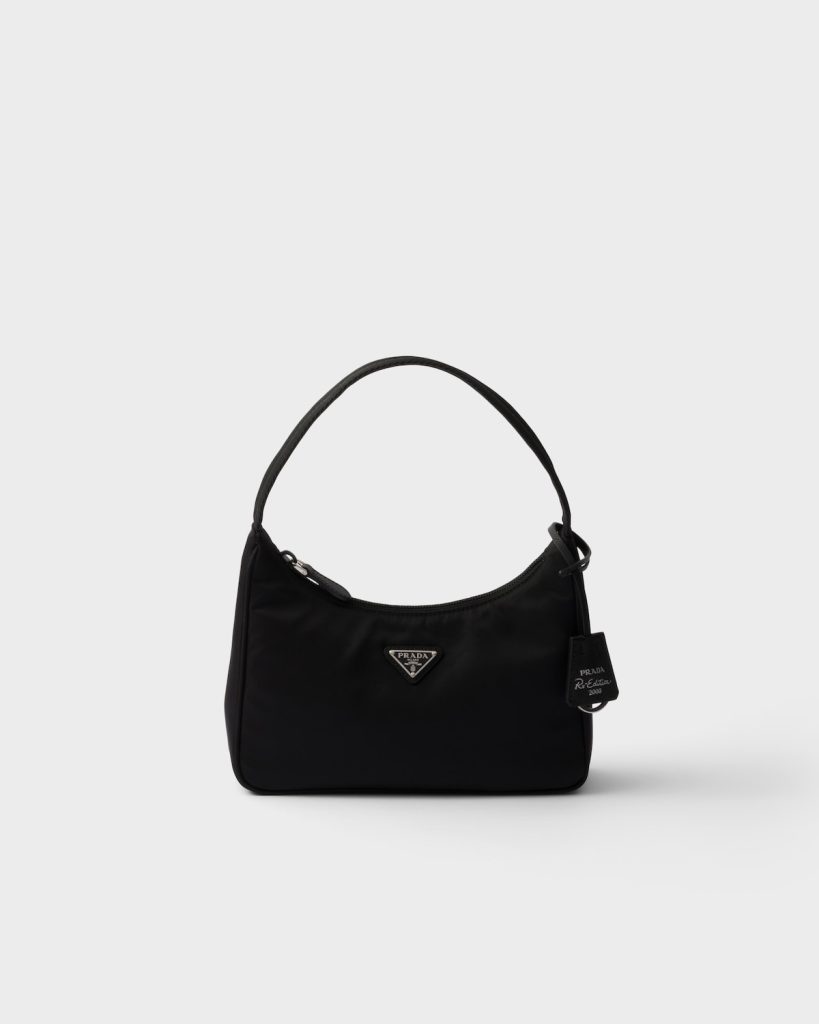
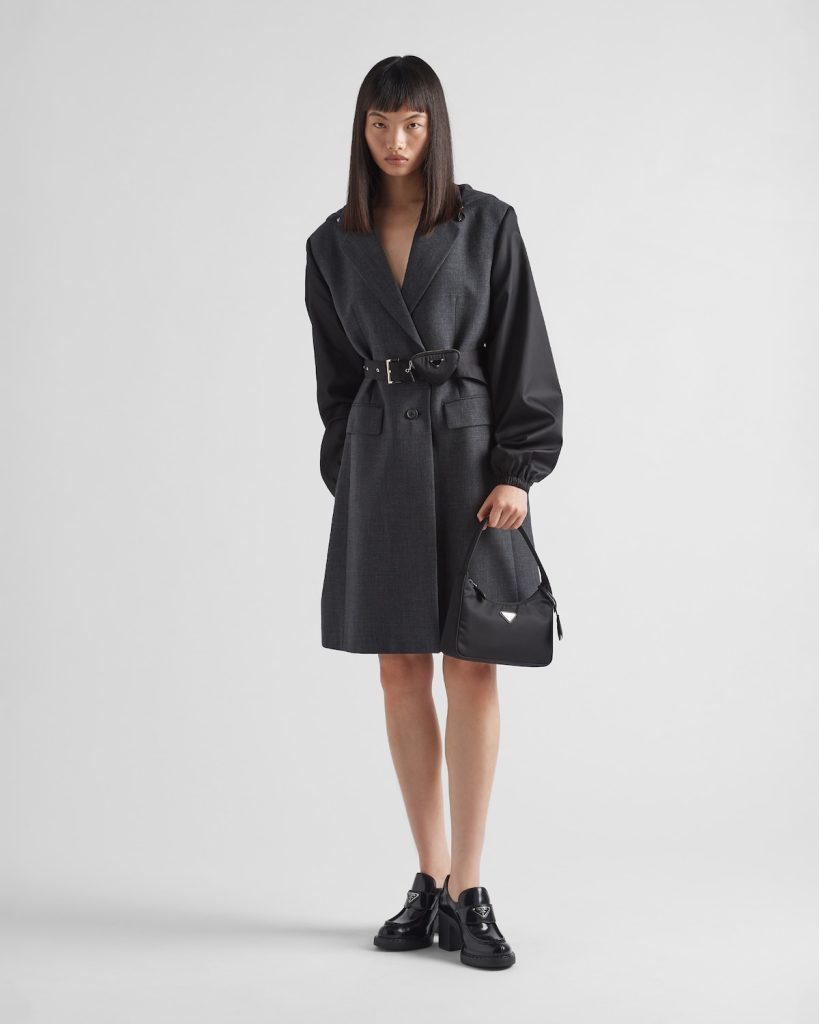
The strap rests on one shoulder. A short strap keeps the bag close under the arm, as on Prada’s Re-Edition 2000. The length of the strap determines whether the bag sits at the ribs or hangs at the hip. Prada’s short-strap example shows why this style is often worn close to the body.
03. Crossbody Bag
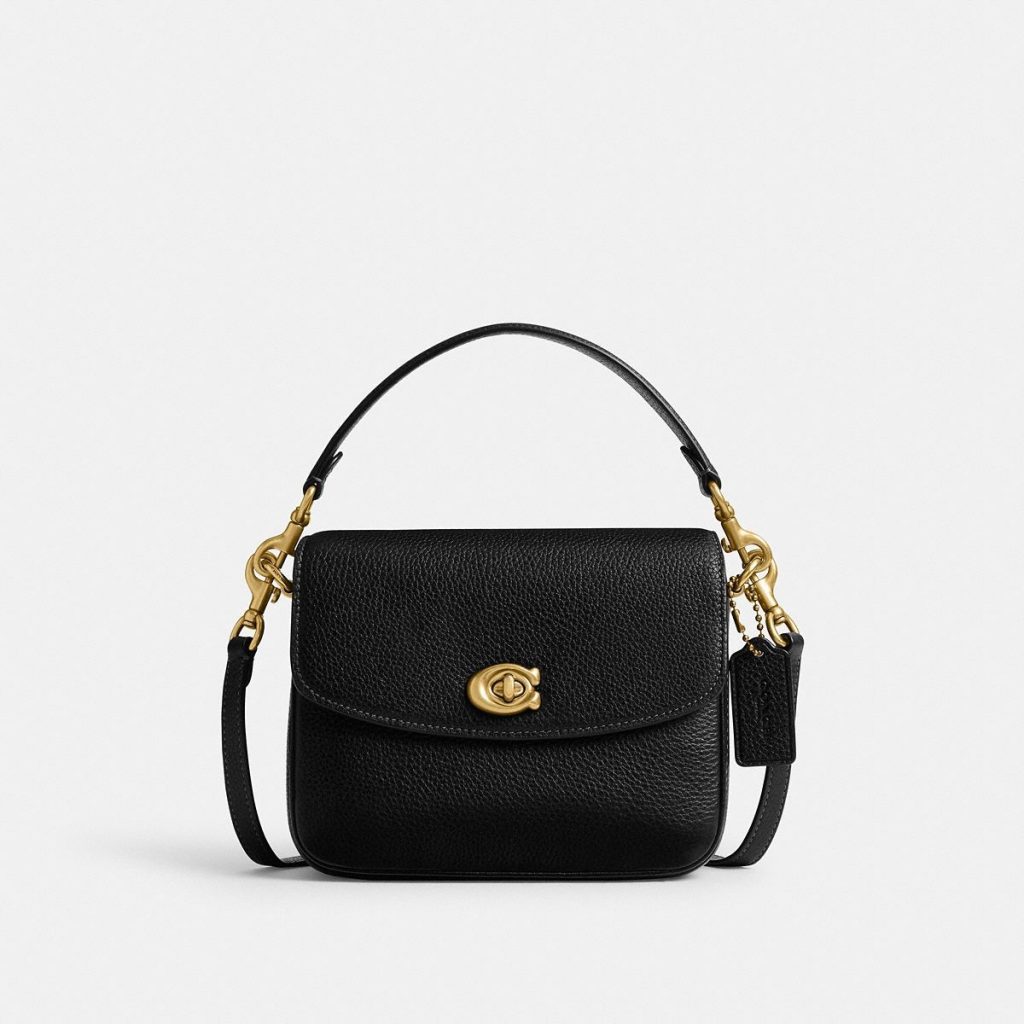
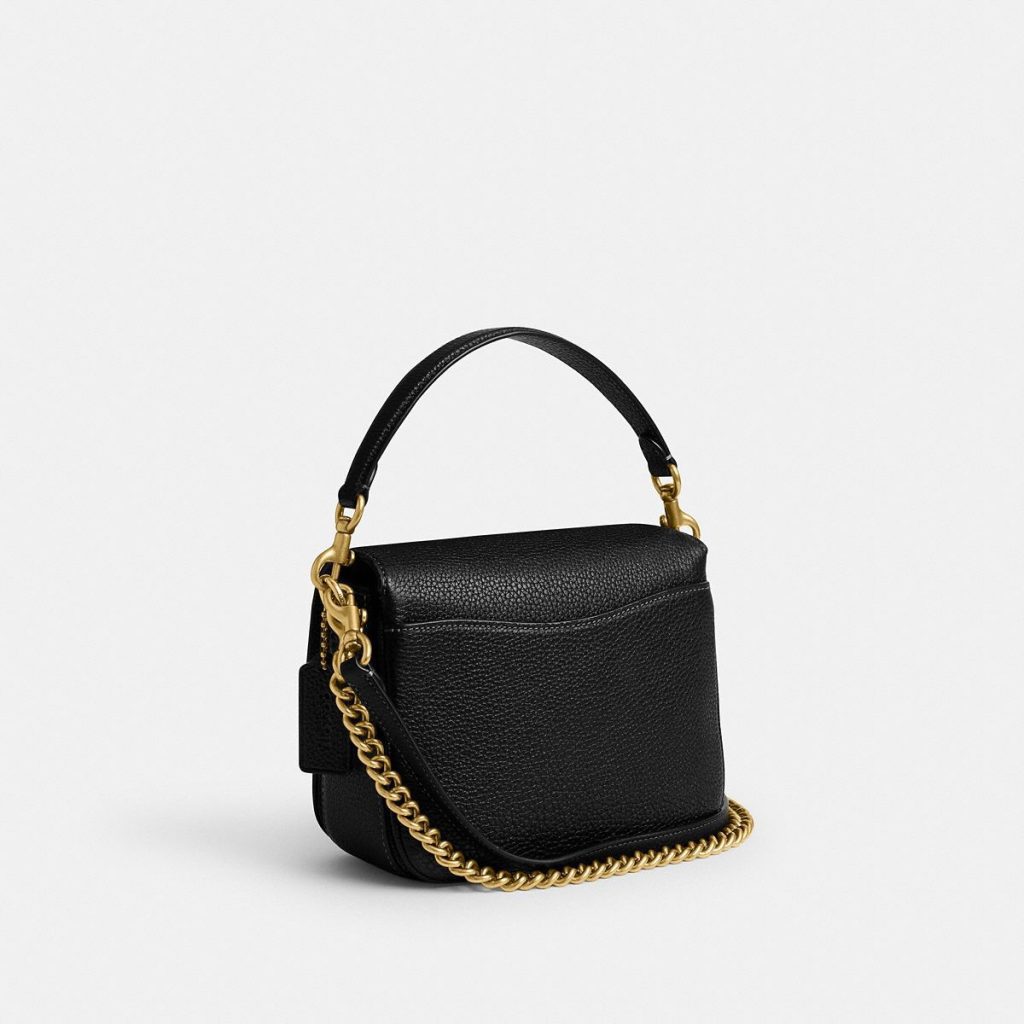
A long strap crosses the torso diagonally. The Coach Cassie 19 also has a short handle for carrying it by hand. An adjustable strap lets you keep the bag at a comfortable height. The Cassie’s short handle and longer strap also show how one design can offer more than one carry option.
04. Backpack
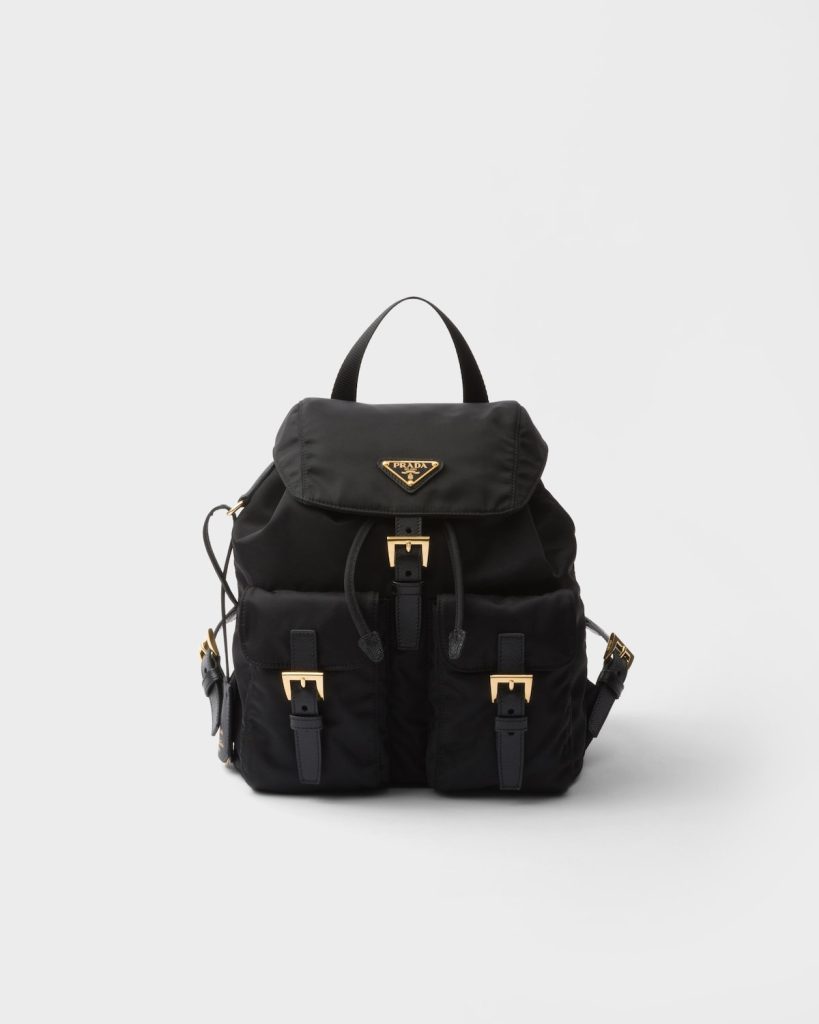
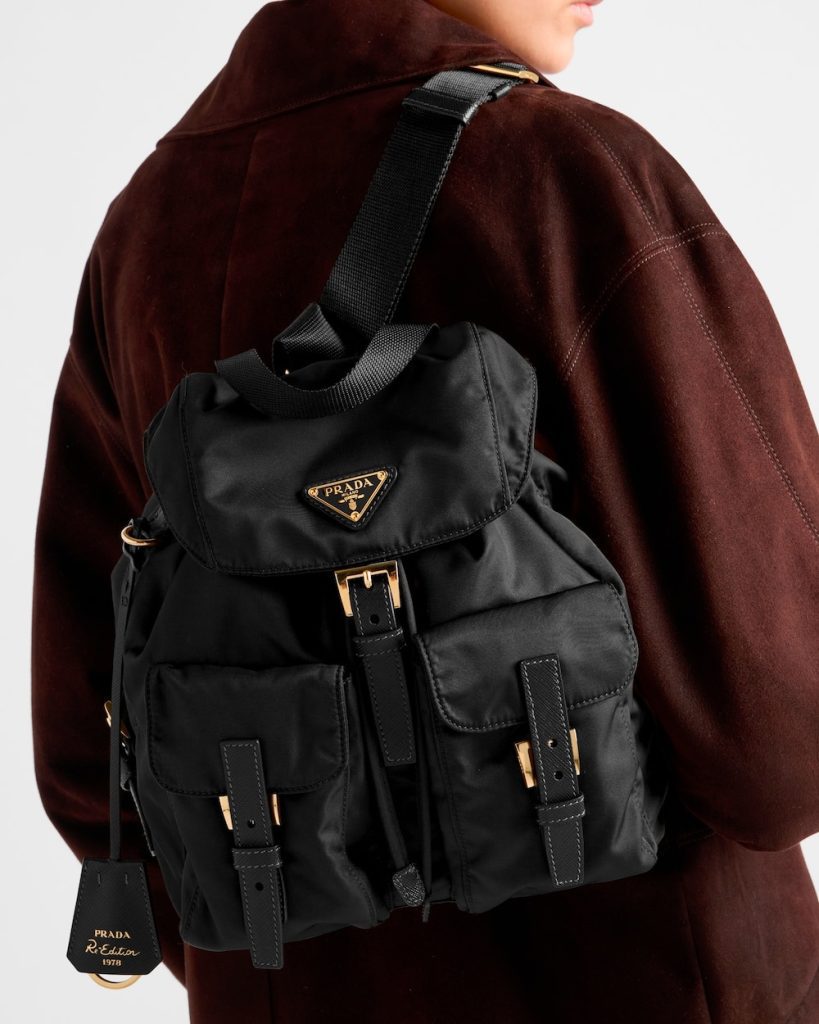
Two shoulder straps carry the bag on the back. The second photo shows where a compact backpack sits when worn. Compare the two straps with a sling bag’s single strap, and look at whether the front pockets can be reached without opening the main compartment.
05. Clutch Bag
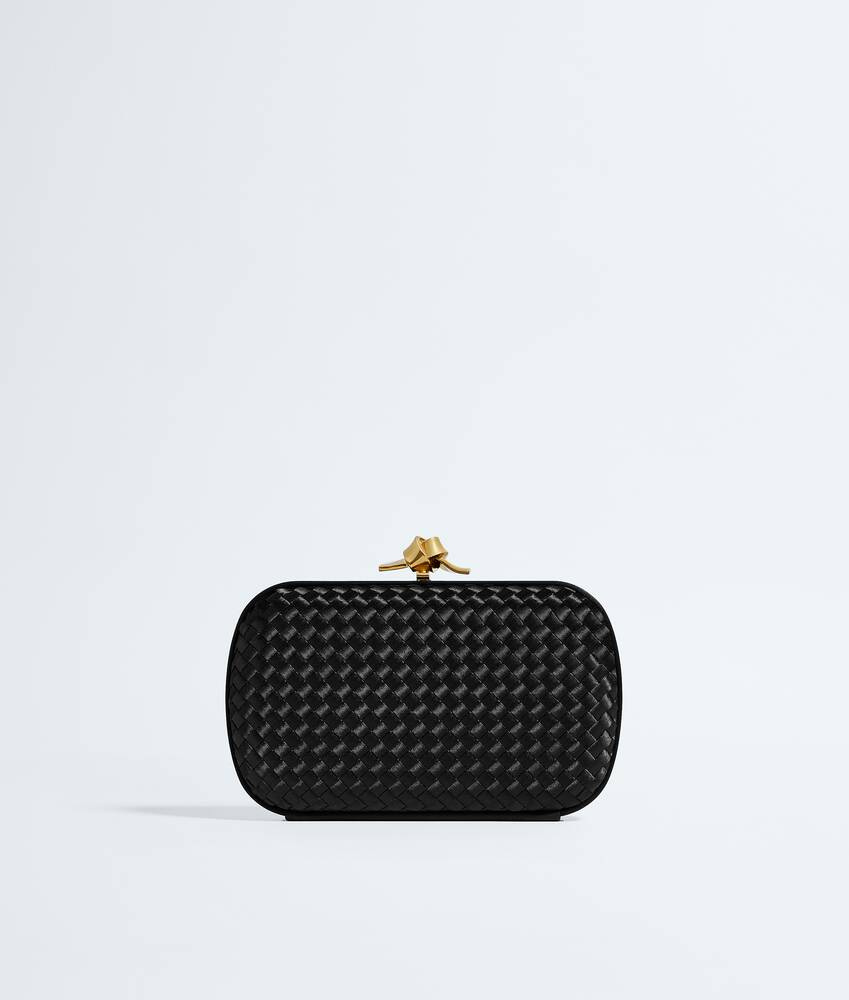
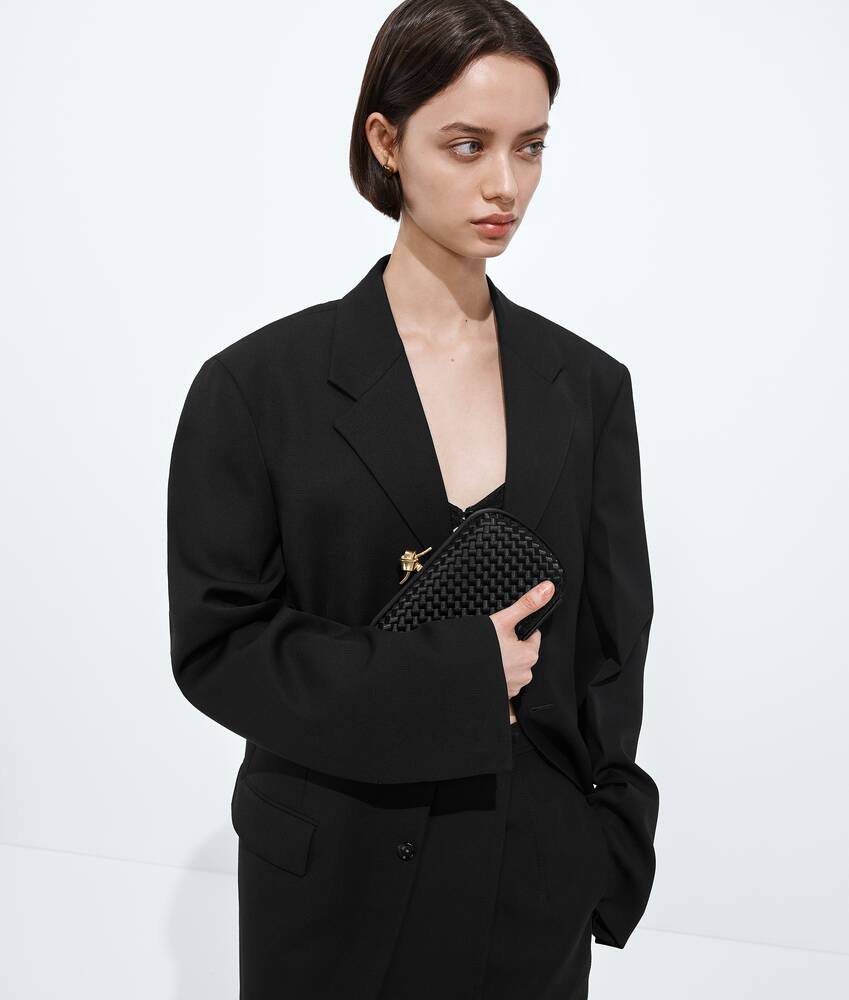
A clutch is designed to be held in the hand or tucked under the arm. The Knot is a hard-shell evening example. A rigid case keeps a crisp outline, while a soft clutch can flex around its contents. On the Knot, the sculpted clasp is both the opening mechanism and the main ornament.
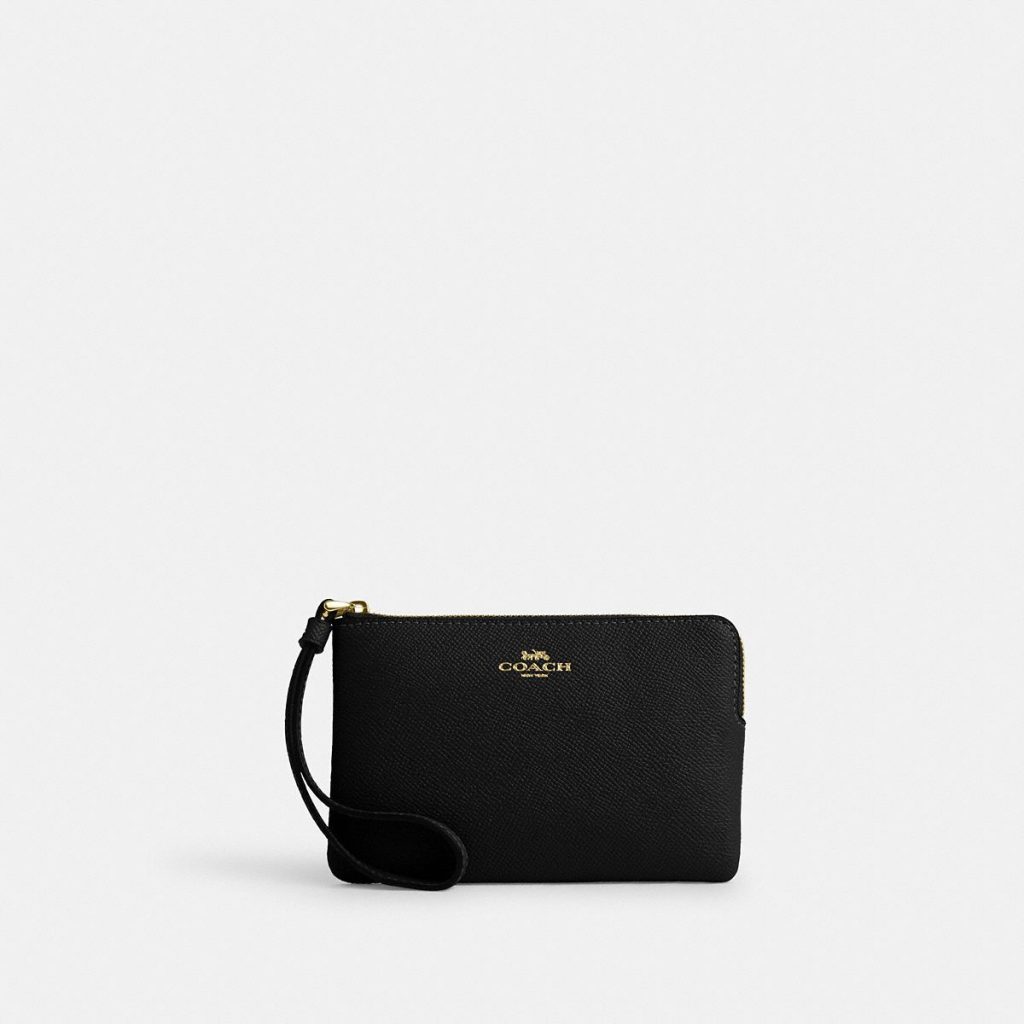
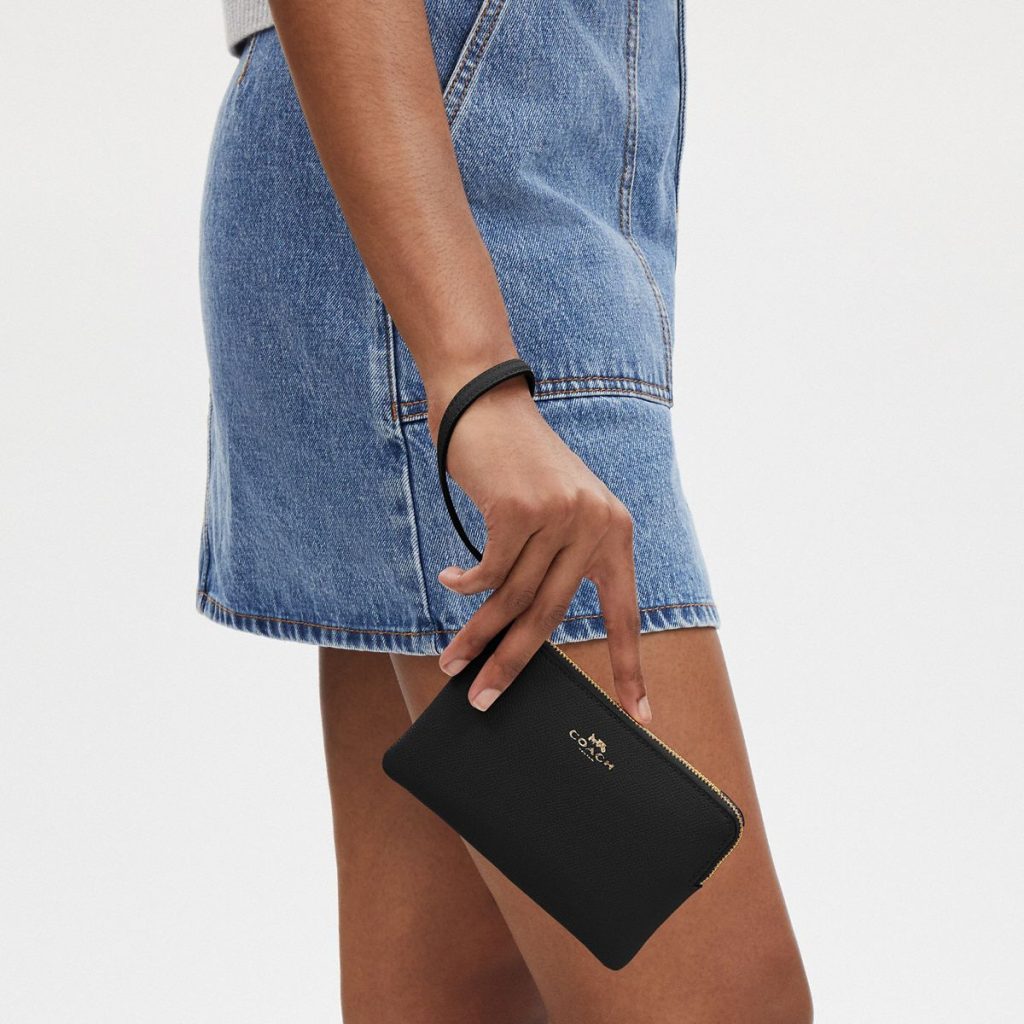
06. Wristlet
A short loop slips over the wrist. Look for that loop to tell a wristlet from a similar zip pouch. The wrist loop makes a wristlet easy to take out of a larger bag. Check the opening width if you want it to hold a phone as well as cards.
07. Belt Bag
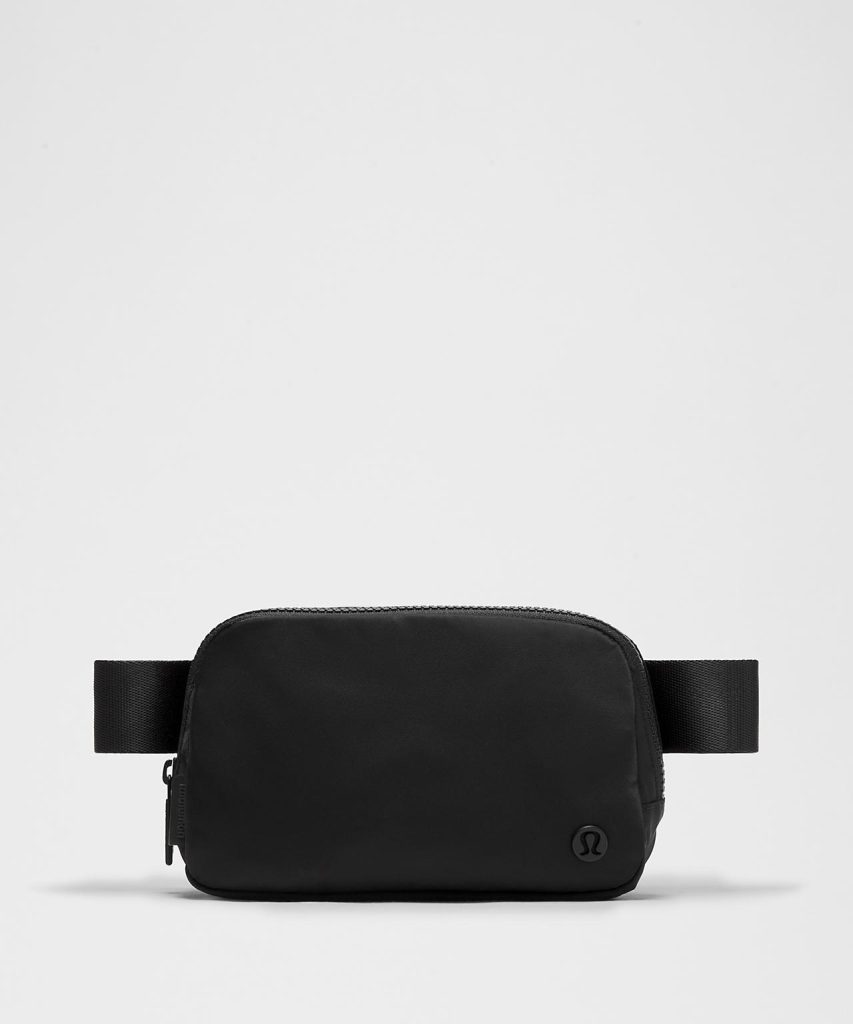
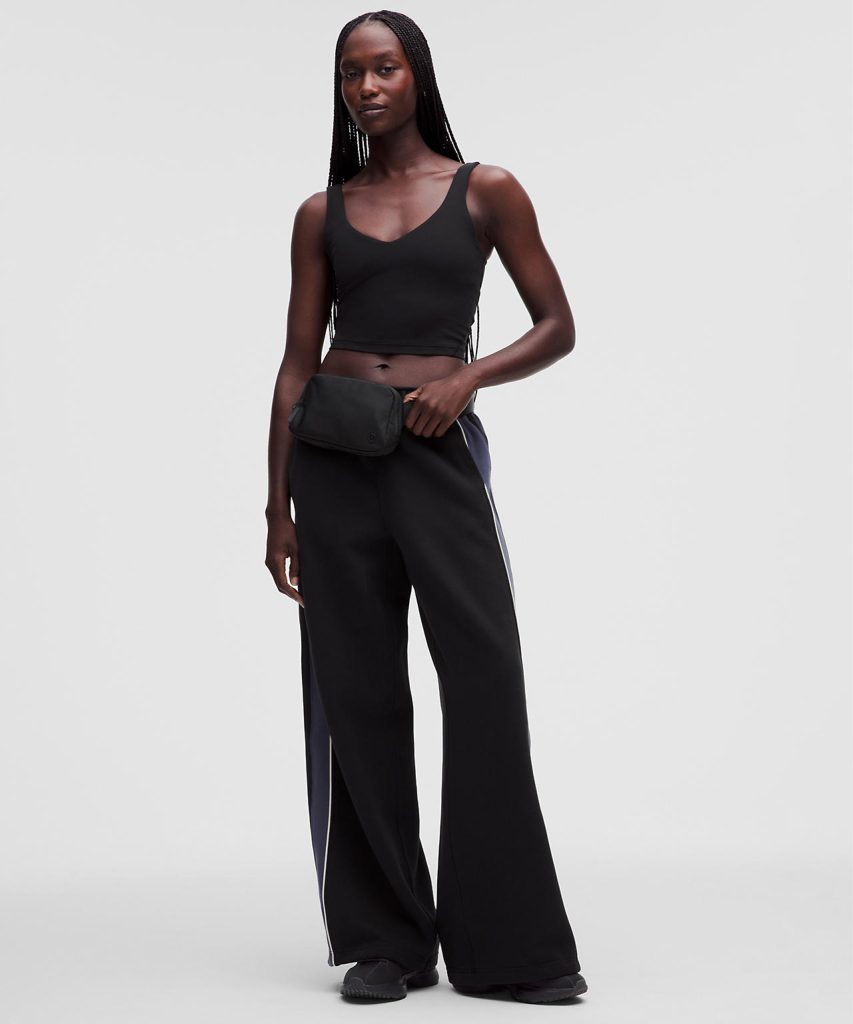
An adjustable strap fastens the pouch around the waist. Some designs can also be worn across the chest. Look at where the strap attaches: on this design it meets the sides of the pouch, keeping the bag flat against the waist.
08. Sling Bag
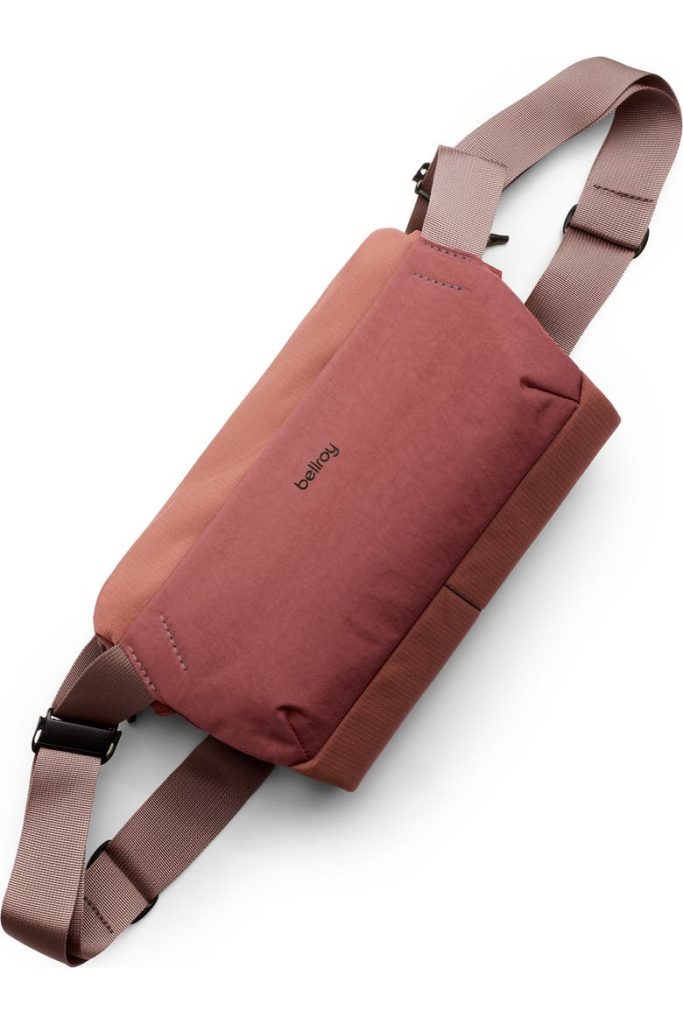
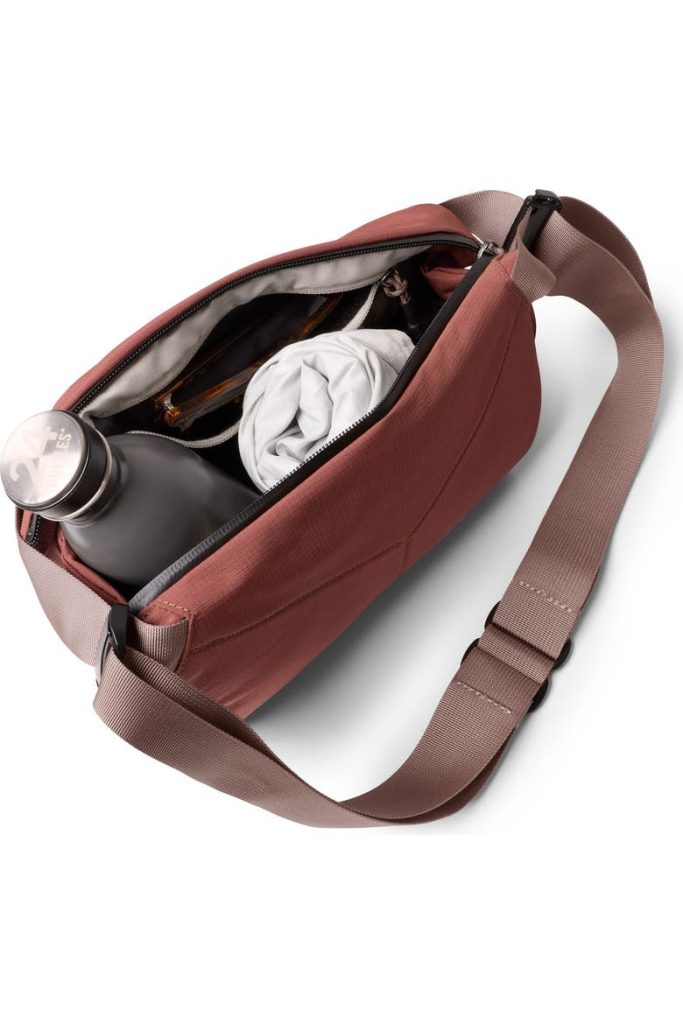
A single strap holds the bag close to the chest or back. A sling usually sits higher and closer to the torso than a crossbody bag that hangs at the hip. The open photo shows how a broad zip opening lets you see the contents while the bag is swung to the front.
09. Phone Bag
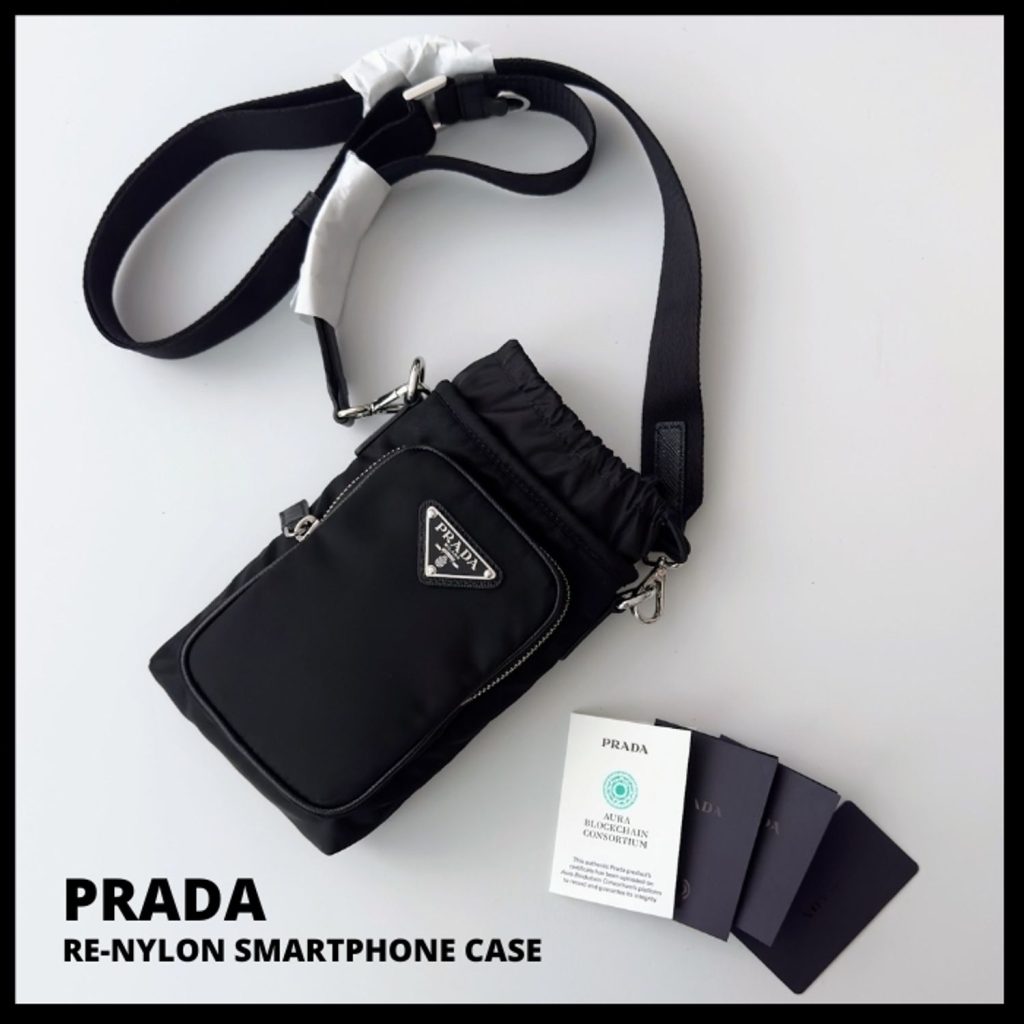
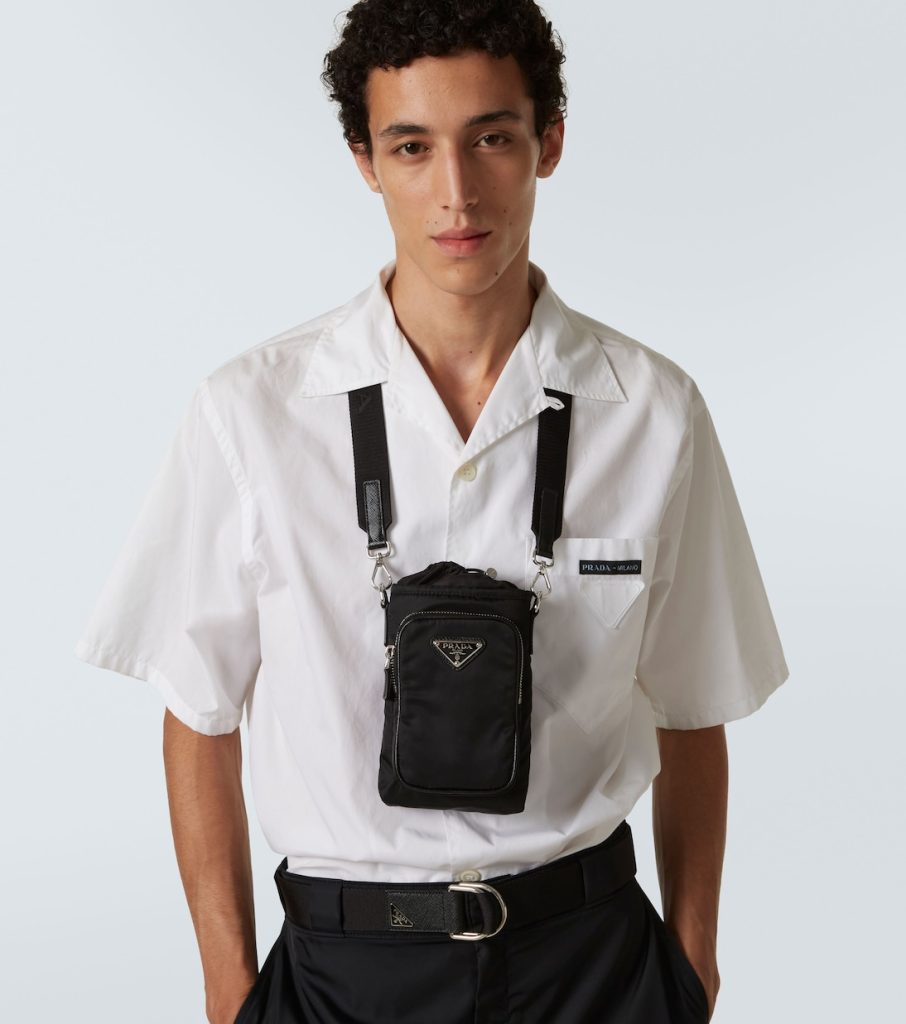
A narrow body is sized around a smartphone. Some designs leave space for a few cards or keys. The pictured Prada Re-Nylon Smartphone Case uses a drawstring at the top. Compare both the case dimensions and the opening before choosing a phone bag for a large handset.
10. Pouch Bag
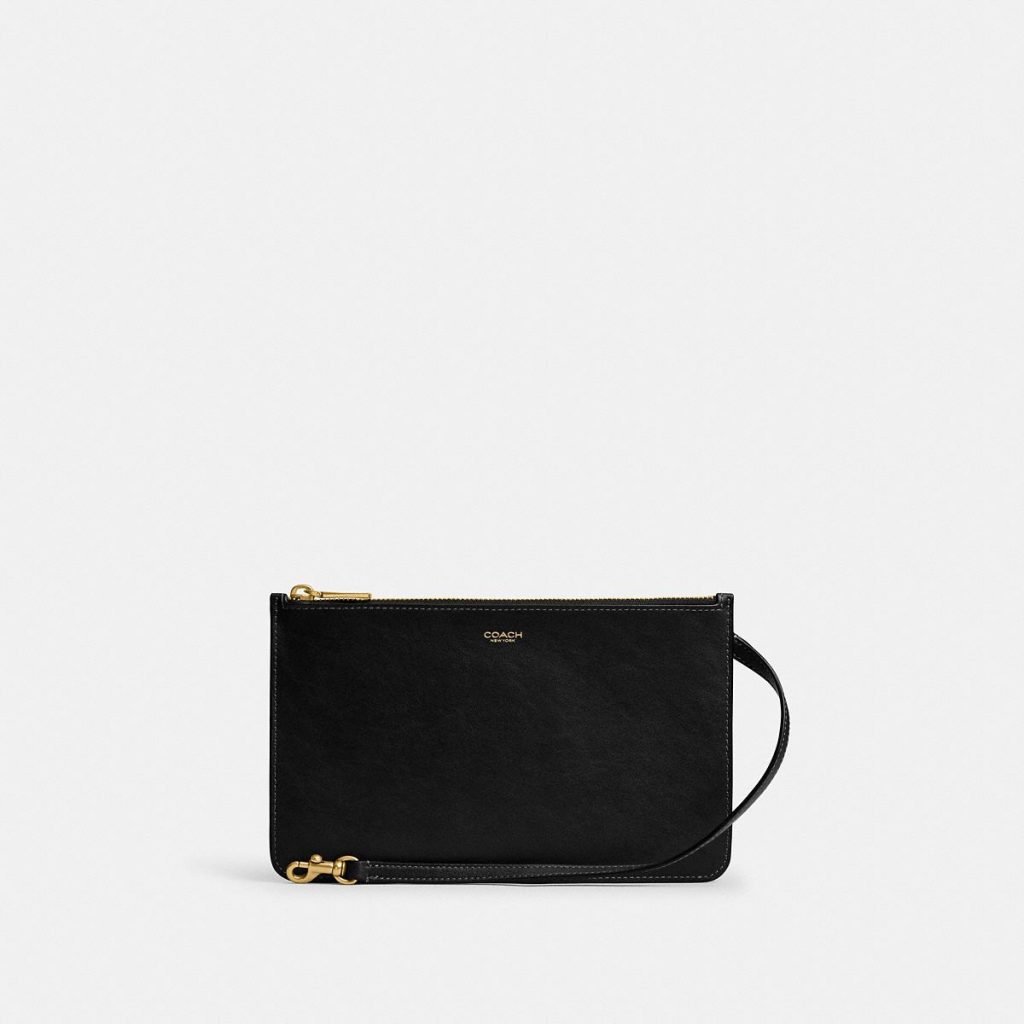
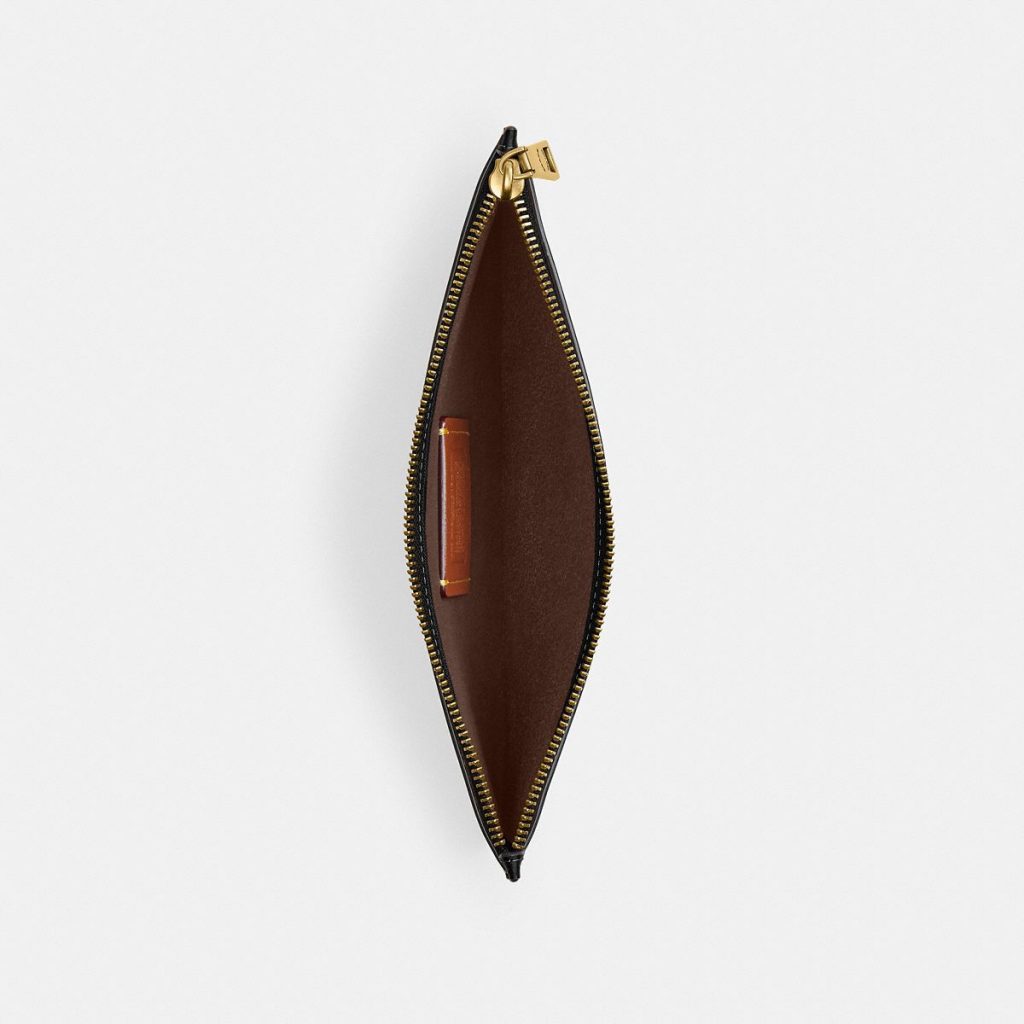
A pouch has a simple body and often a zip or drawstring opening. It can be carried alone or tucked into a larger bag. The Coach example has a slim profile and a zip that opens the top edge. A wrist loop can make a pouch double as a wristlet.
12 Classic Handbag Structures and Closures
11. Satchel Bag
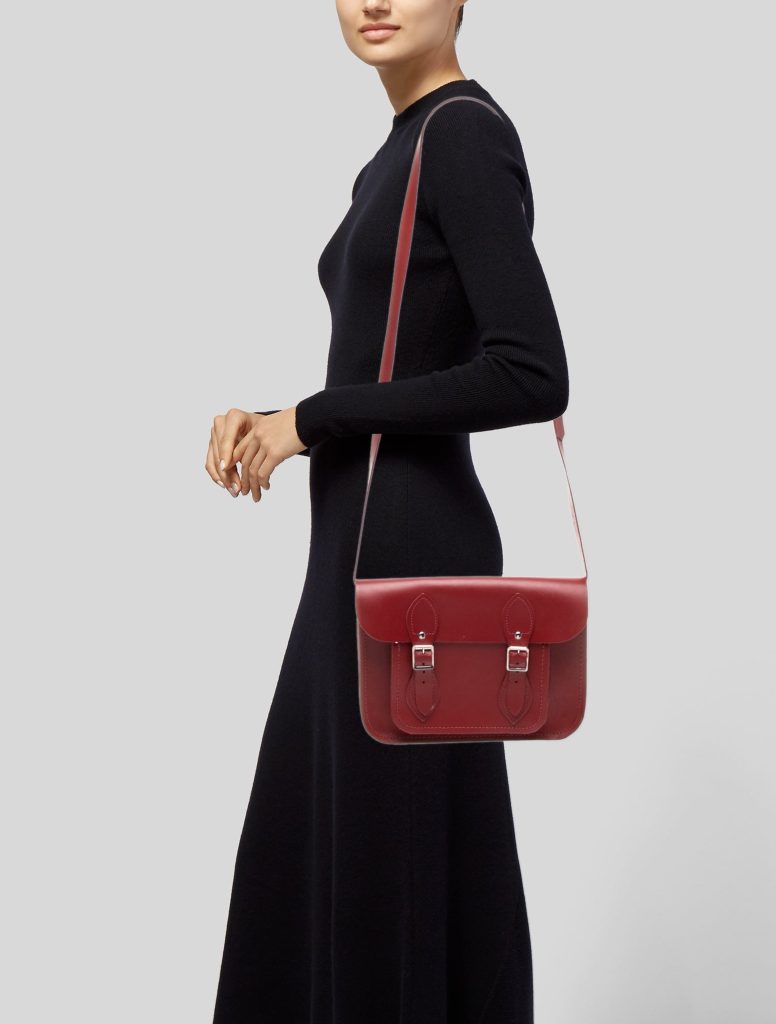
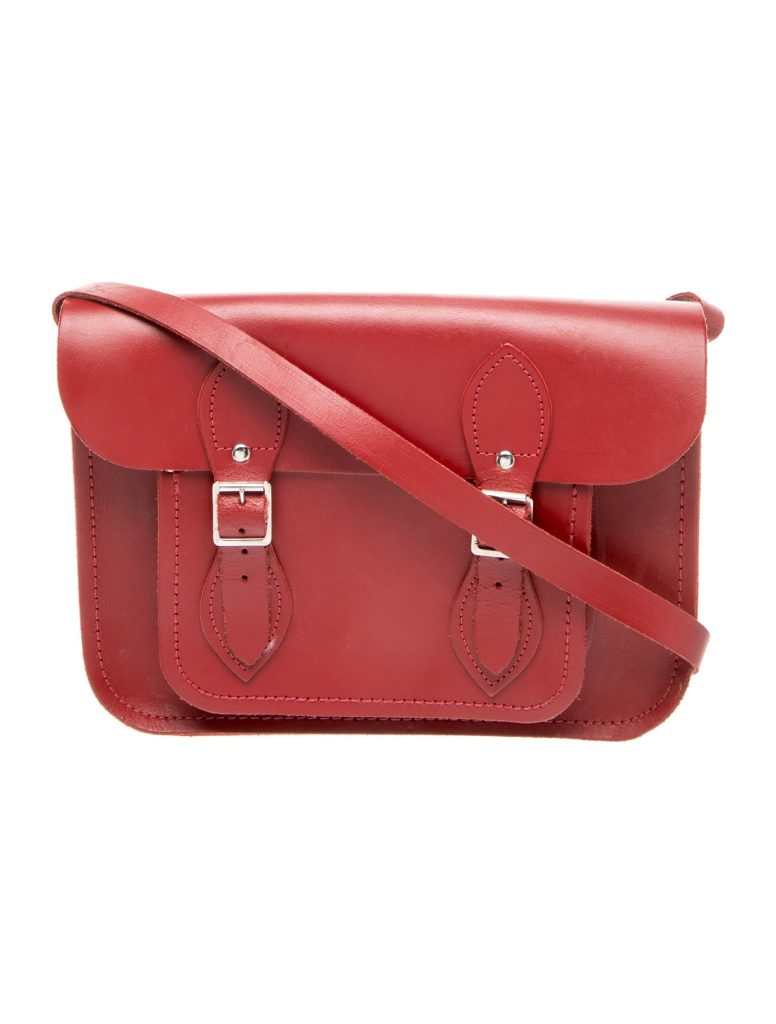
A traditional satchel has a structured, rectangular body with a front flap and a long strap. Its proportions recall a school bag. The broad flap and twin buckle straps on this example are easy visual clues. The long strap lets the bag sit at hip level when worn.
The school-style leather satchel predates The Cambridge Satchel Company. Julie Deane founded the company in 2008 and built it around that familiar British form. British Library founder profile
12. Boston Bag
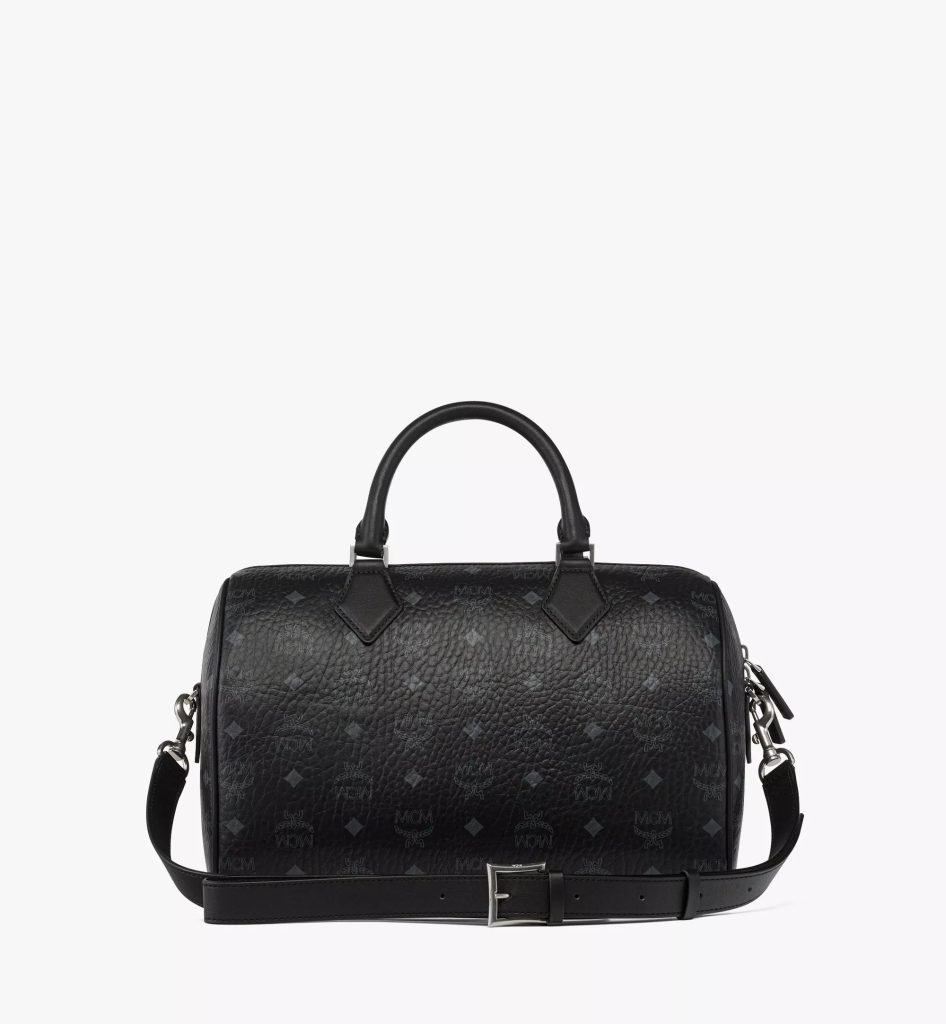
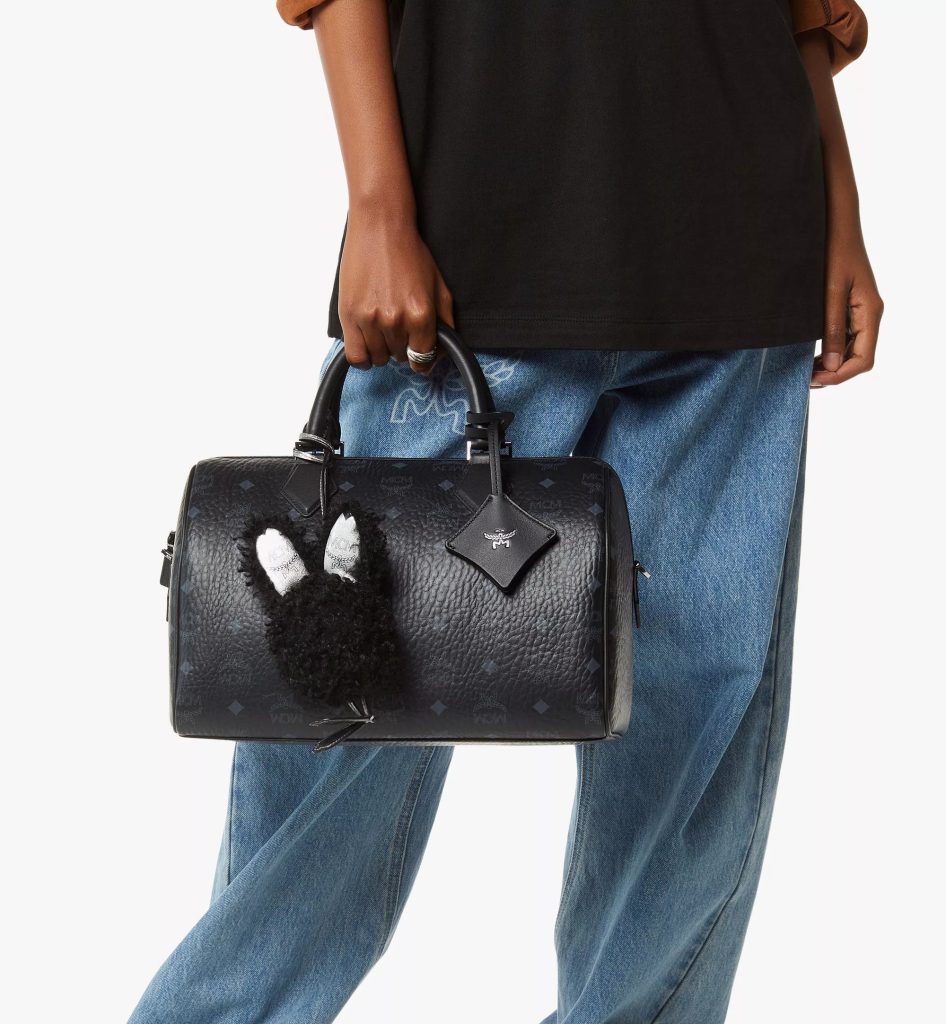
Look for a rounded top, two handles, and a top zip. The body often has the proportions of a compact travel bag. The rounded top and elongated shape can overlap with a barrel bag. Compare the end panels: this bag has a flatter base that helps it sit upright.
13. Bowler Bag
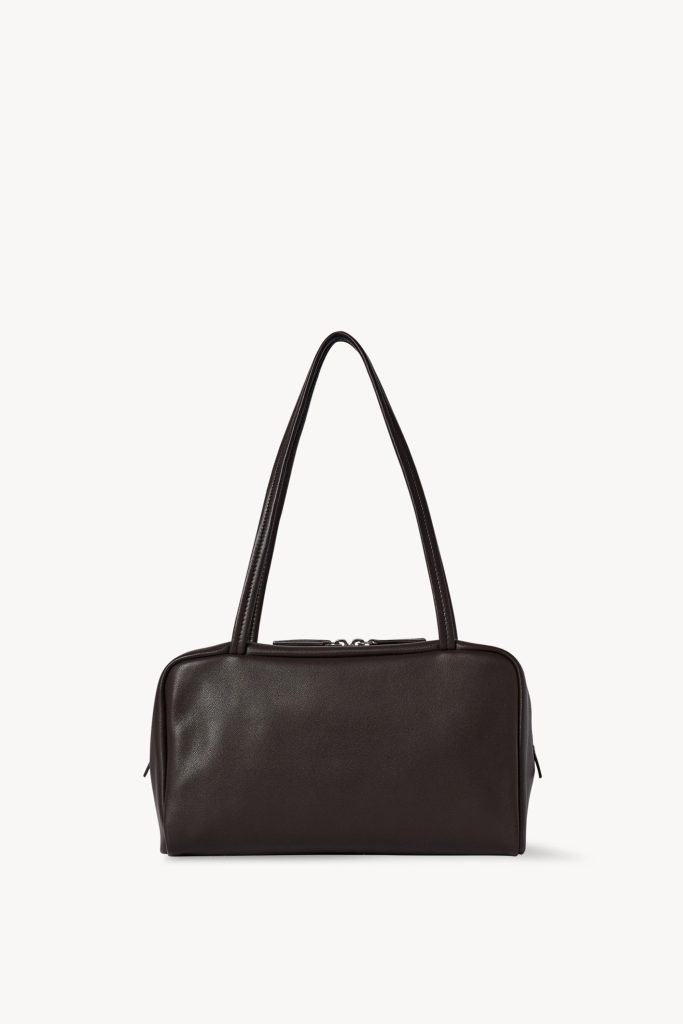
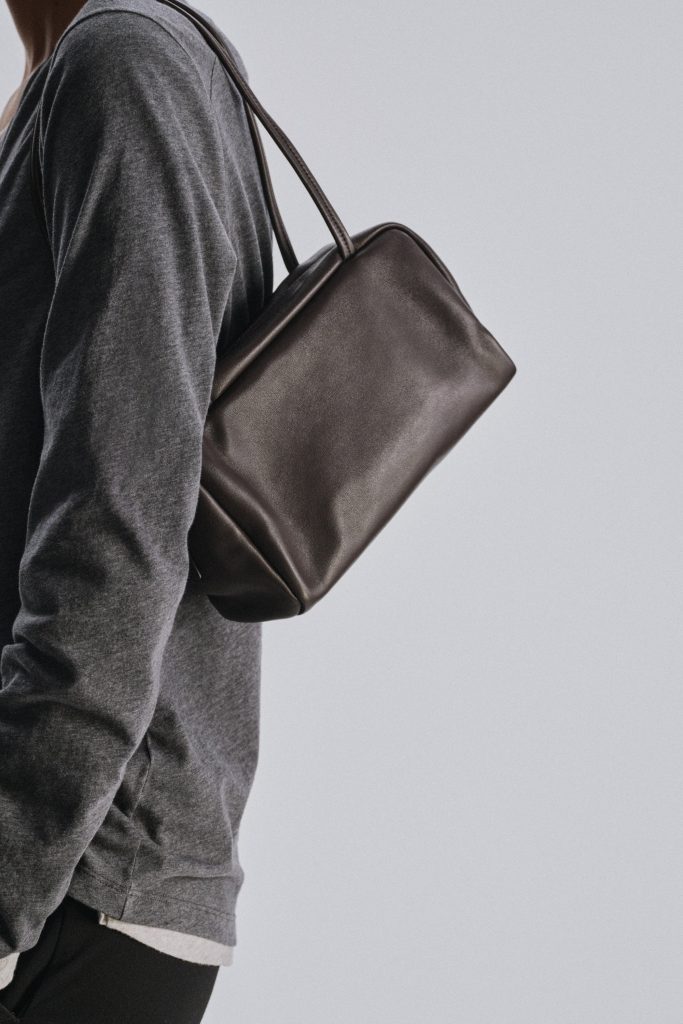
A broad base and arched upper edge recall a bowling ball bag. The Row’s Astra shows how this outline works as a shoulder bag. On the Astra, the arch is subtle. The wide base and the shoulder view make the fuller end profile easier to see.
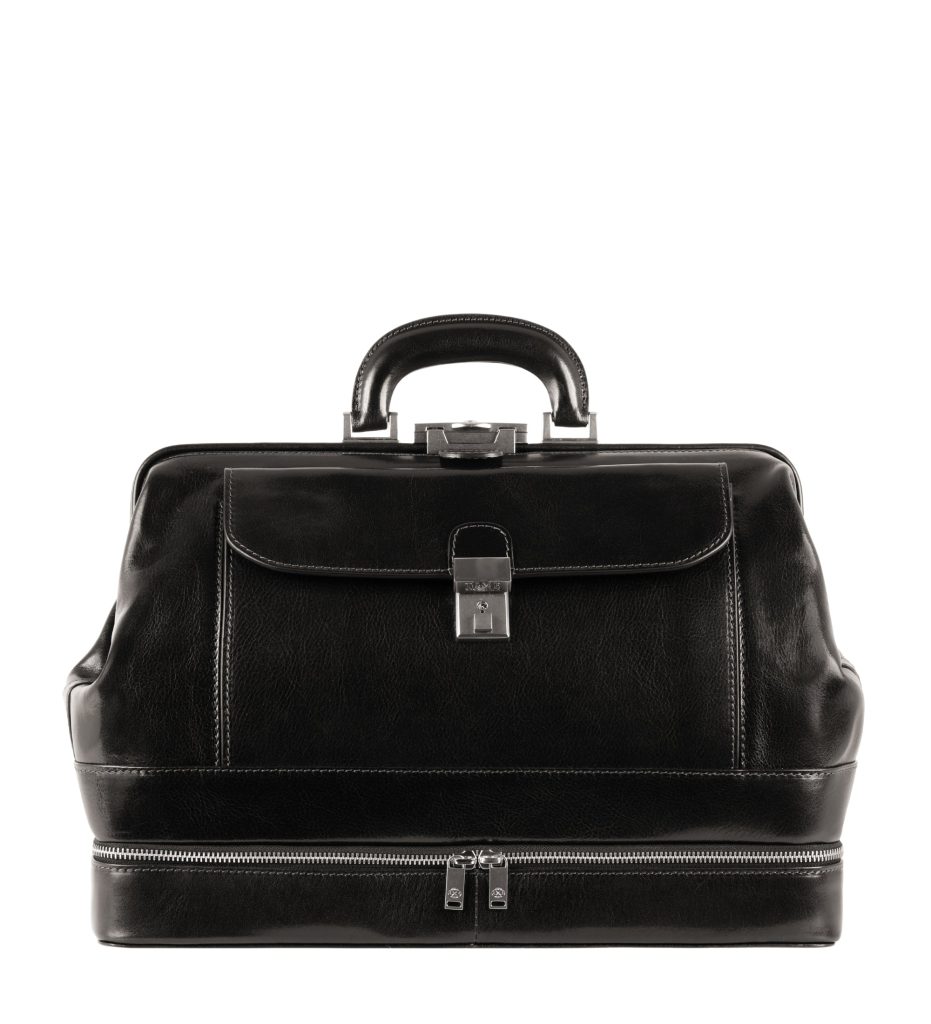
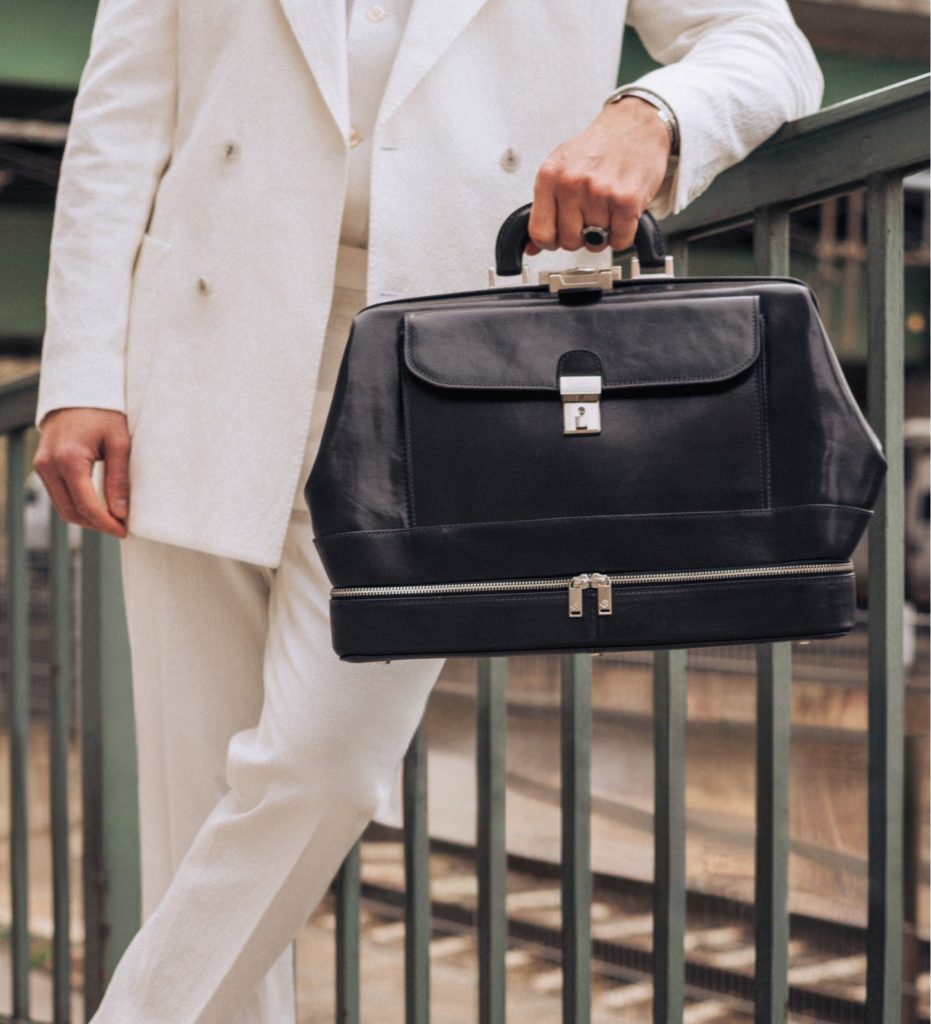
14. Doctor’s Bag
The opening spreads wide enough to give a clear view inside. A rigid frame often supports the opening. Look at the top handle and how the opening is held in shape. A traditional framed mouth can open into a broad rectangle, making the contents easier to see.
15. Frame Bag
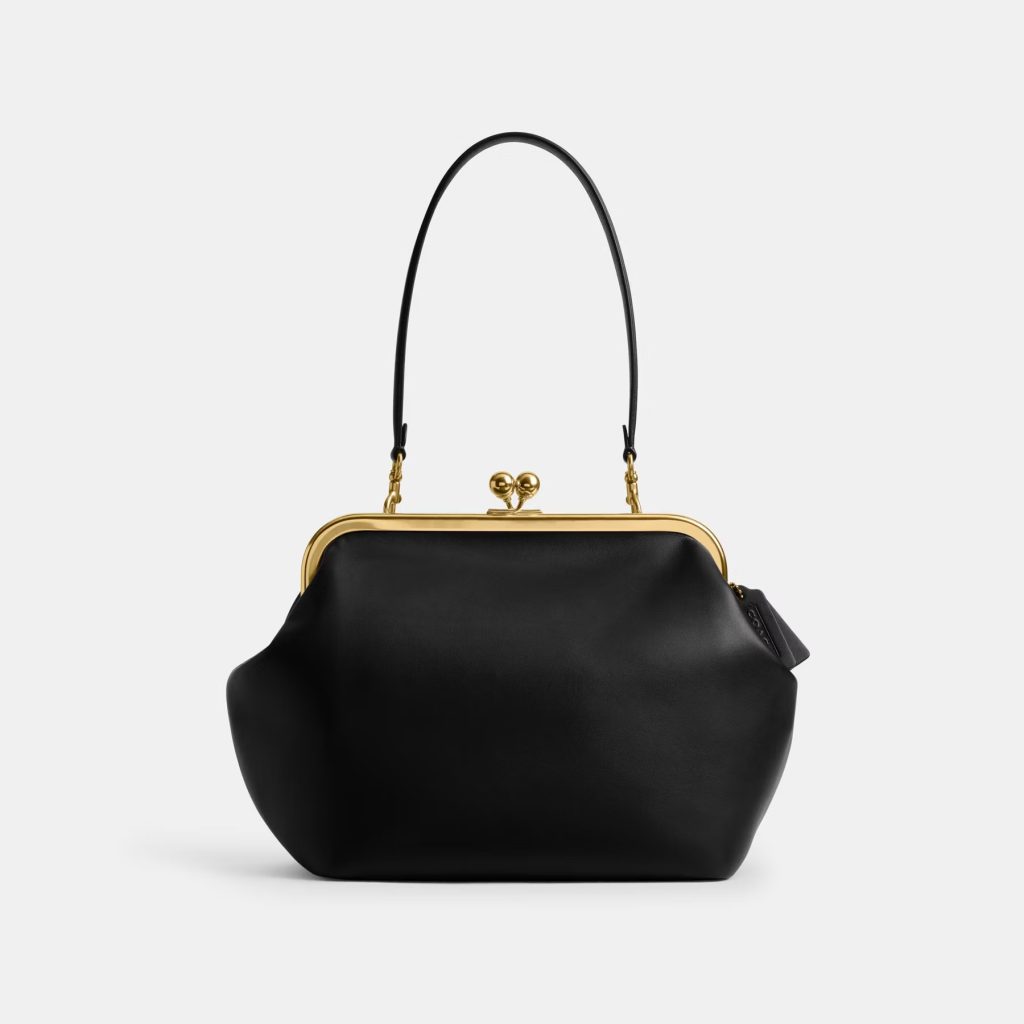
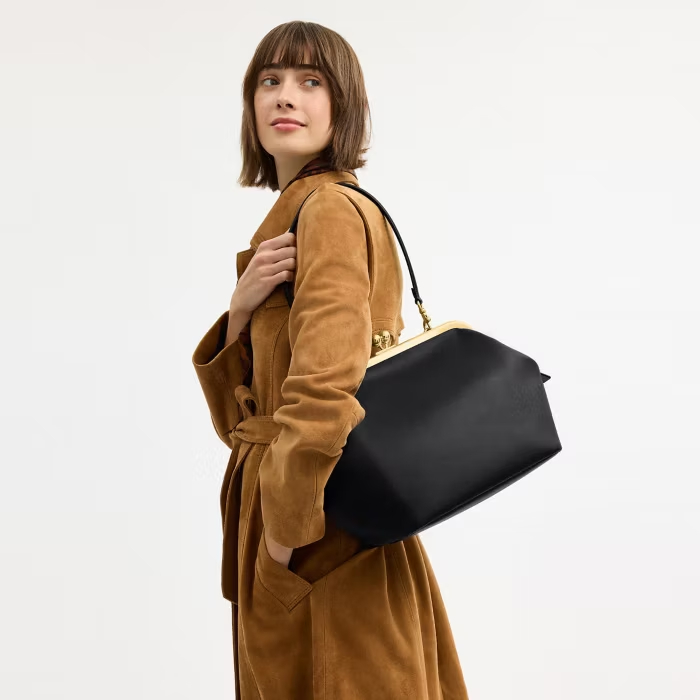
A rigid frame holds the mouth of the bag in shape. On a kiss-lock frame, two knobs meet to secure the opening. The frame describes the structure of the mouth, while kiss-lock describes the clasp. The pictured Coach bag shows both details together.
16. Flap Bag
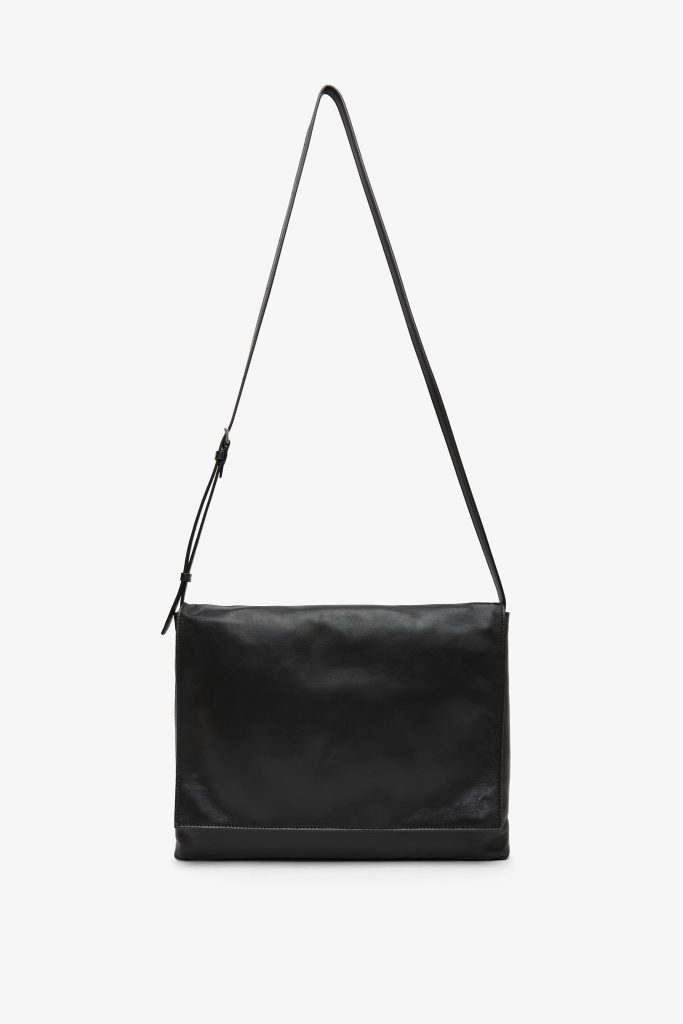
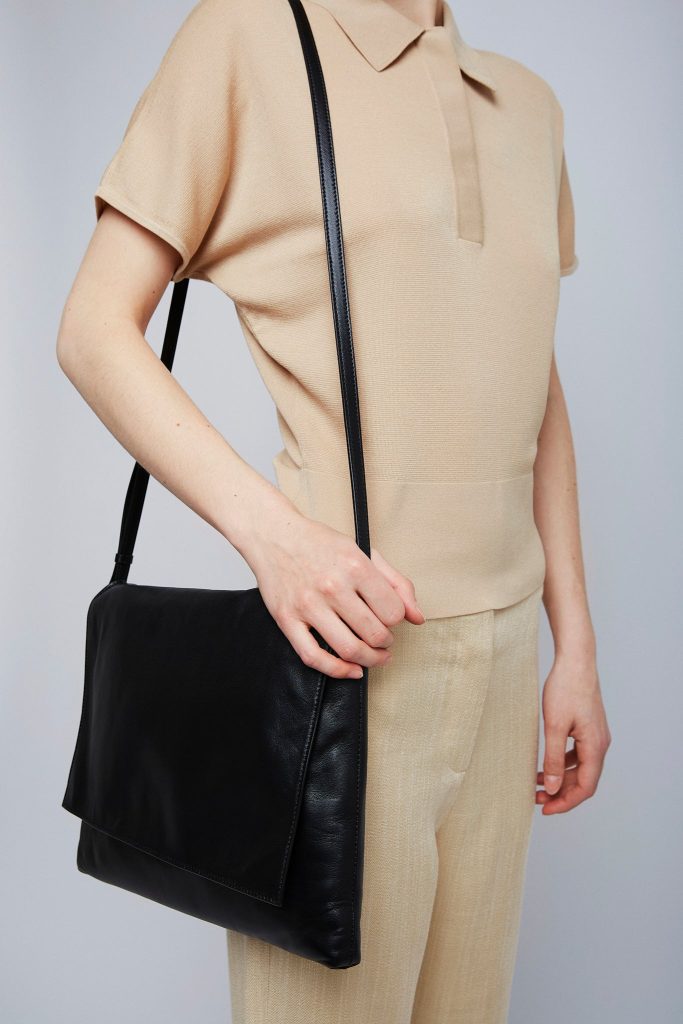
A panel folds over the opening and covers part of the front. The flap can fasten with a magnet or clasp. A flap can cover almost the entire front or just the top edge. A larger flap gives the front a clean surface and changes how far it has to lift for access.
17. Envelope Bag
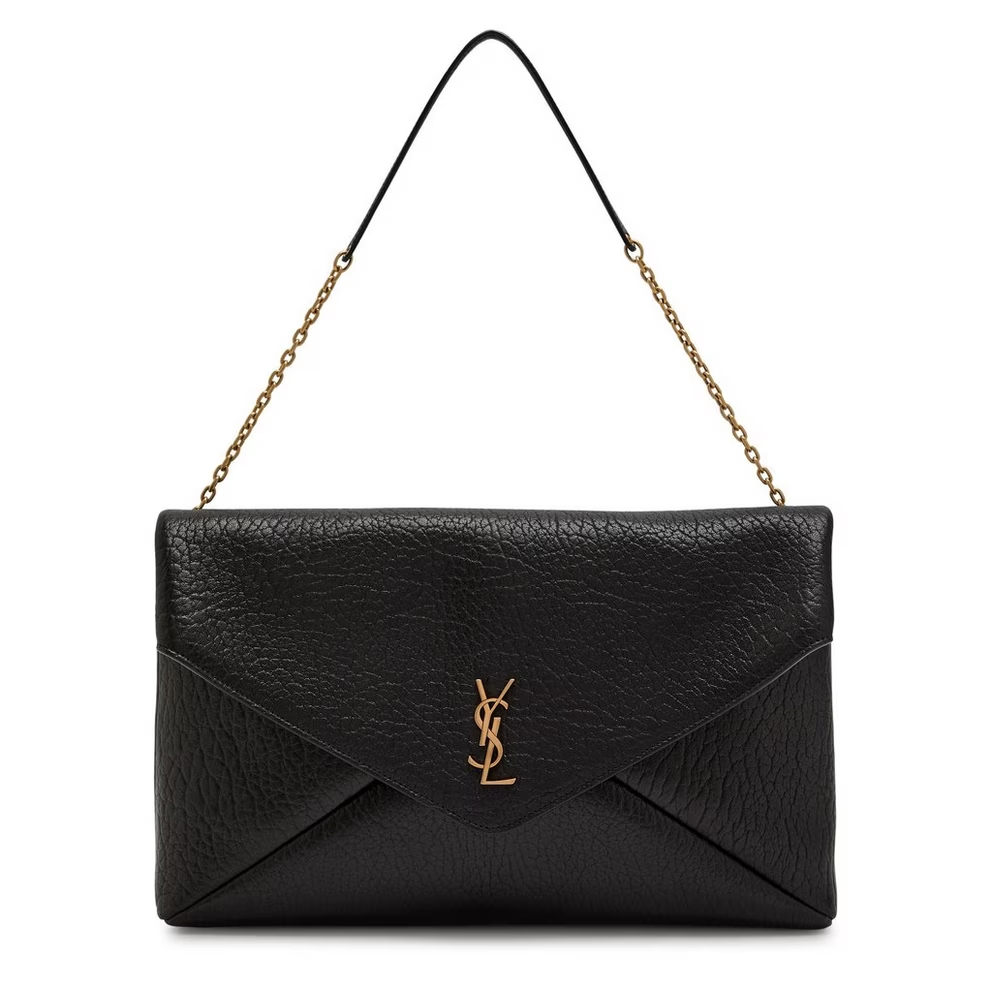
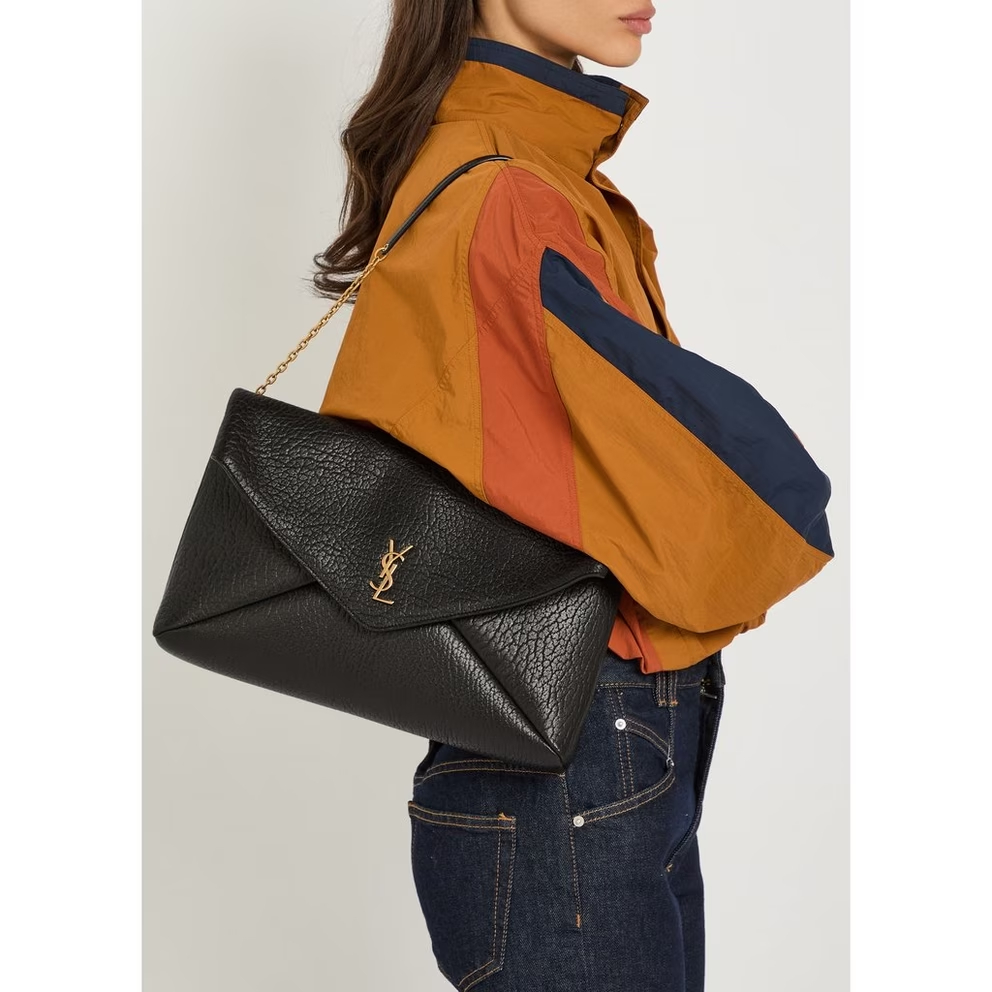
A flat body and pointed flap resemble a paper envelope. This outline can appear on clutches or chain bags. The pointed flap is the giveaway here. The Saint Laurent example adds a chain strap, so the envelope silhouette also works as a shoulder bag.
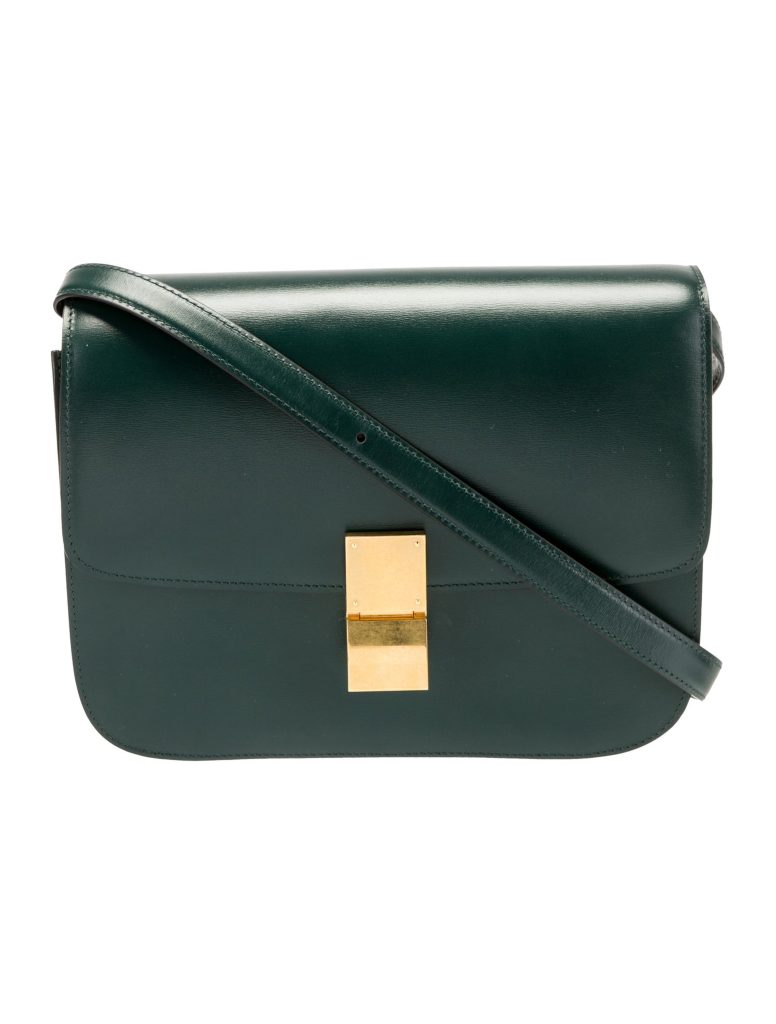
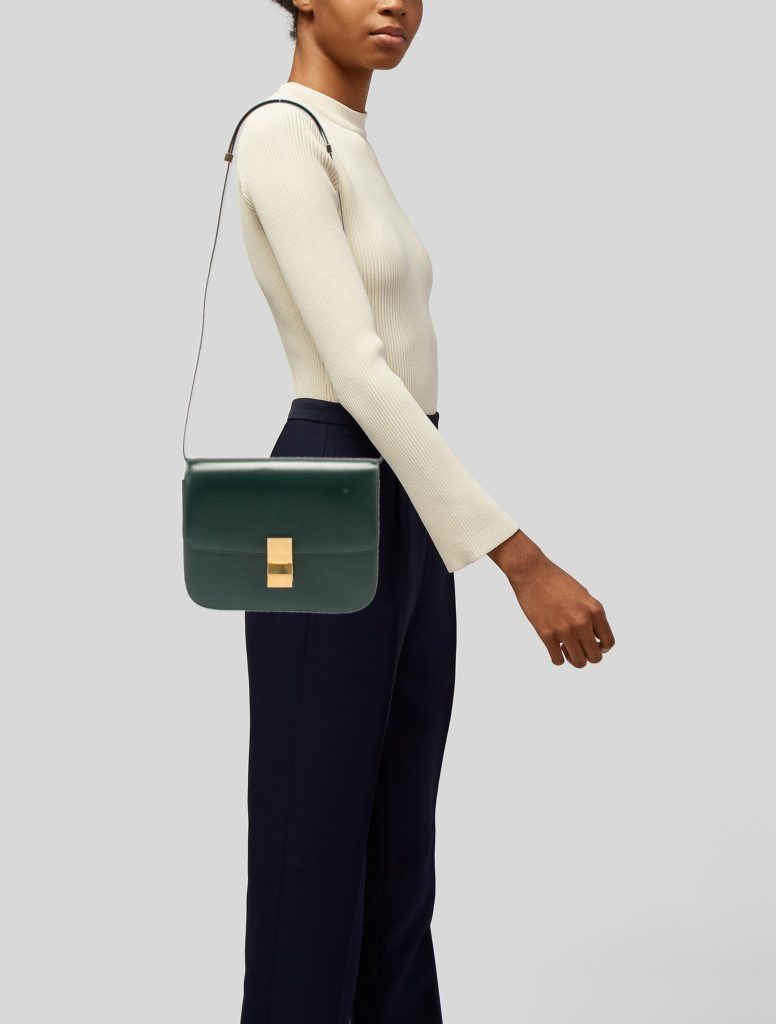
18. Box Bag
Firm panels and defined edges give the body its box-like shape. A side view works well for showing its depth. The flat front and defined corners make the shape especially clear. A side view tells you more about the usable depth than the front view alone.
19. Trunk Bag
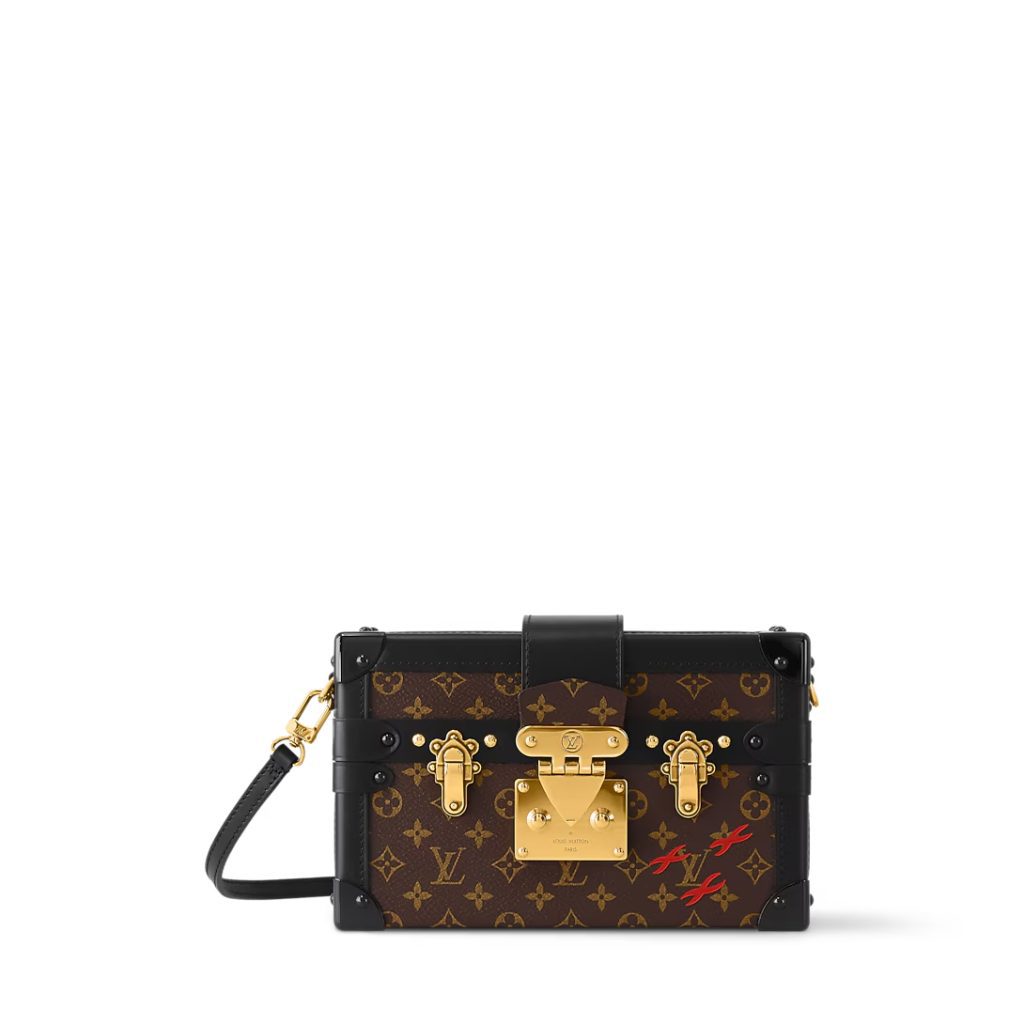
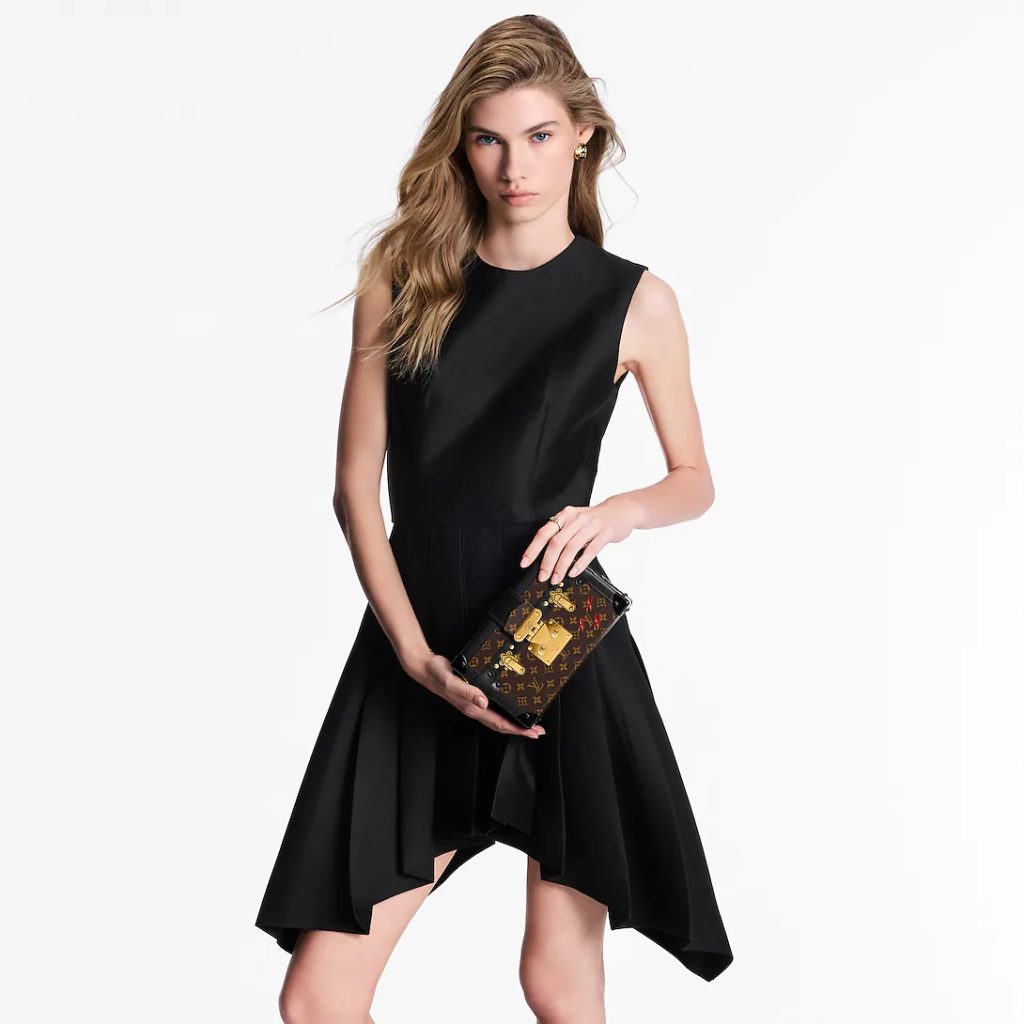
This style borrows from luggage, with features such as a firm shell, reinforced corners, or trunk-style hardware. The pictured Petite Malle uses rigid walls, metal corner details, and a prominent front lock to echo a travel trunk at handbag scale.
Louis Vuitton introduced the Petite Malle in Nicolas Ghesquière’s first collection for the house in 2014. Its name means “small trunk,” and the travel-trunk hardware is part of what makes the reference so clear. Louis Vuitton heritage timeline · Petite Malle design history
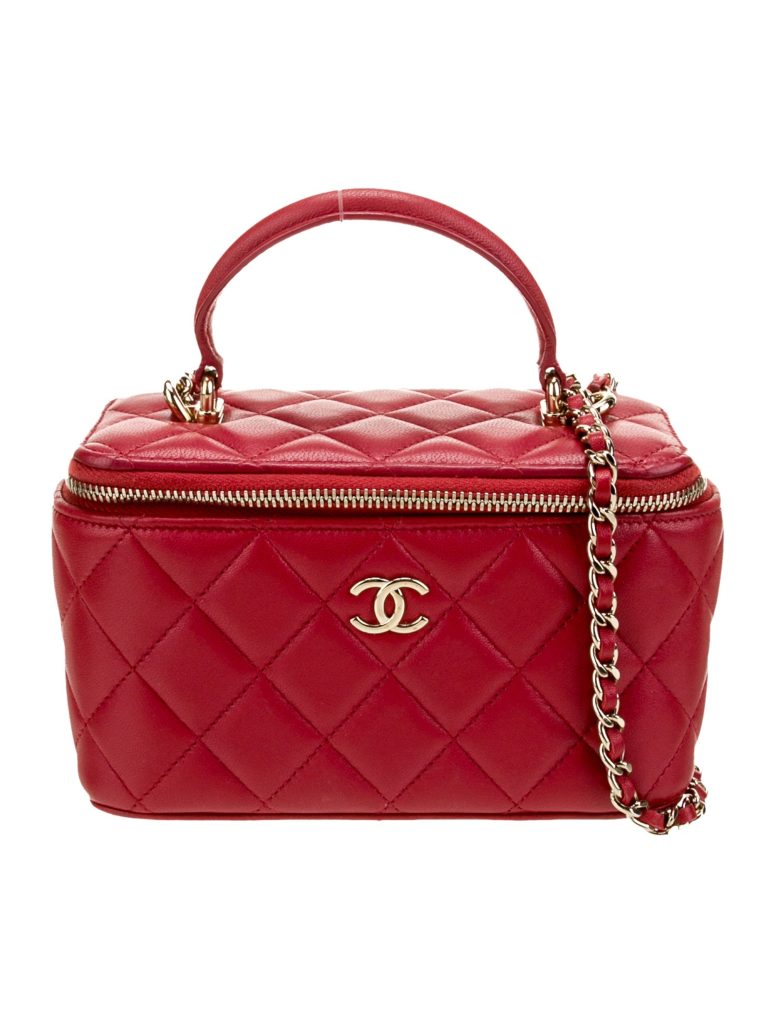
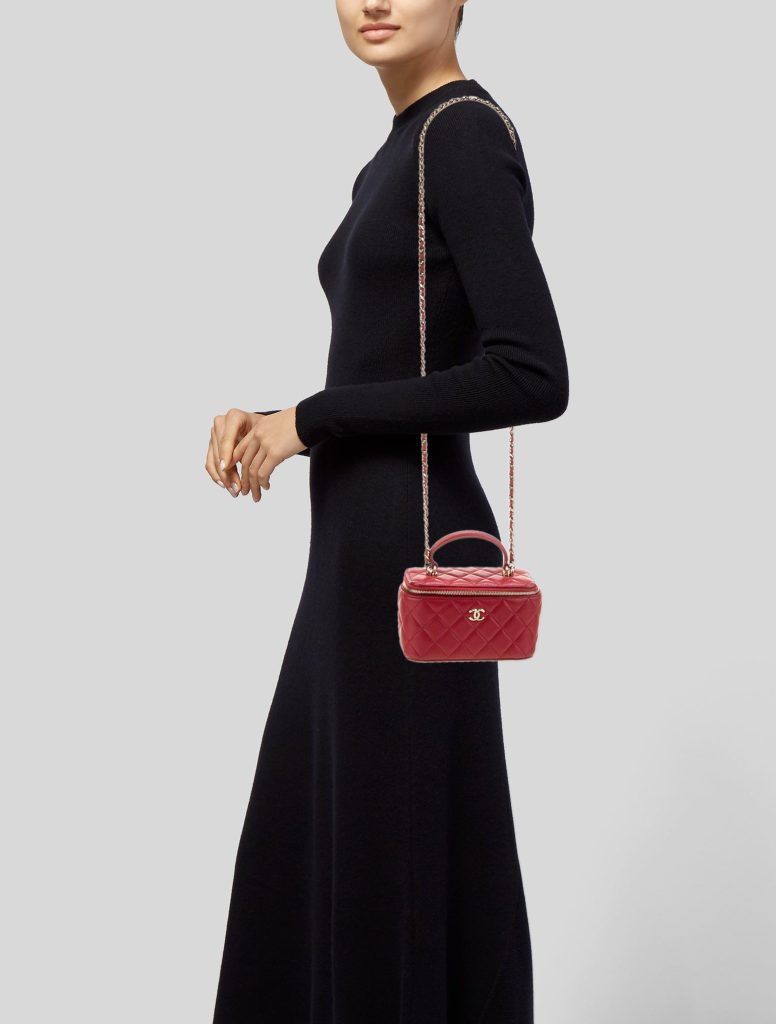
20. Vanity Case Bag
A top handle and a zip around the upper edge recall a cosmetic case. Some styles add a chain strap. The zip follows the lid around the top, making a box-style opening. The chain on the pictured Chanel version gives the case shape a second carrying option.
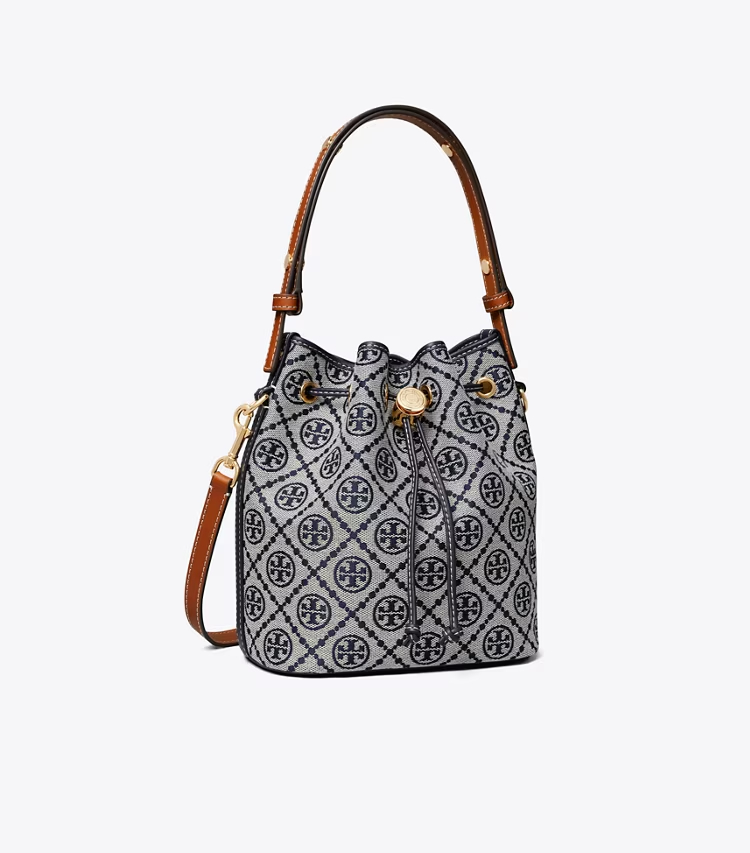
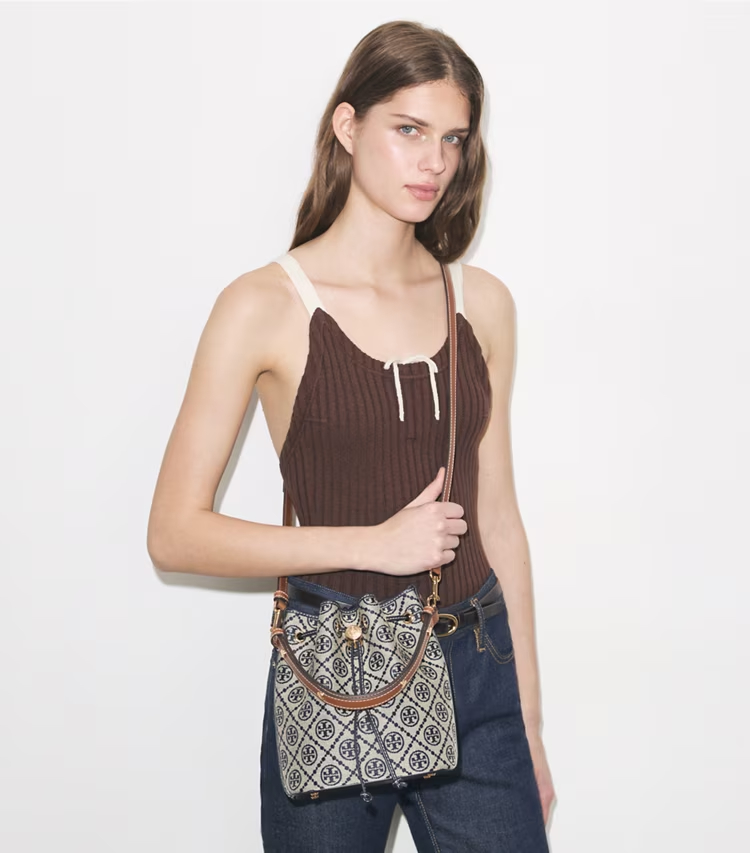
21. Bucket Bag
A broad base and upright sides give it a bucket-like shape. Many versions gather at the top with a drawstring. The shape comes from the upright body and broad base. A drawstring can narrow the mouth without changing the bucket profile below it.
22. Drawstring Bag
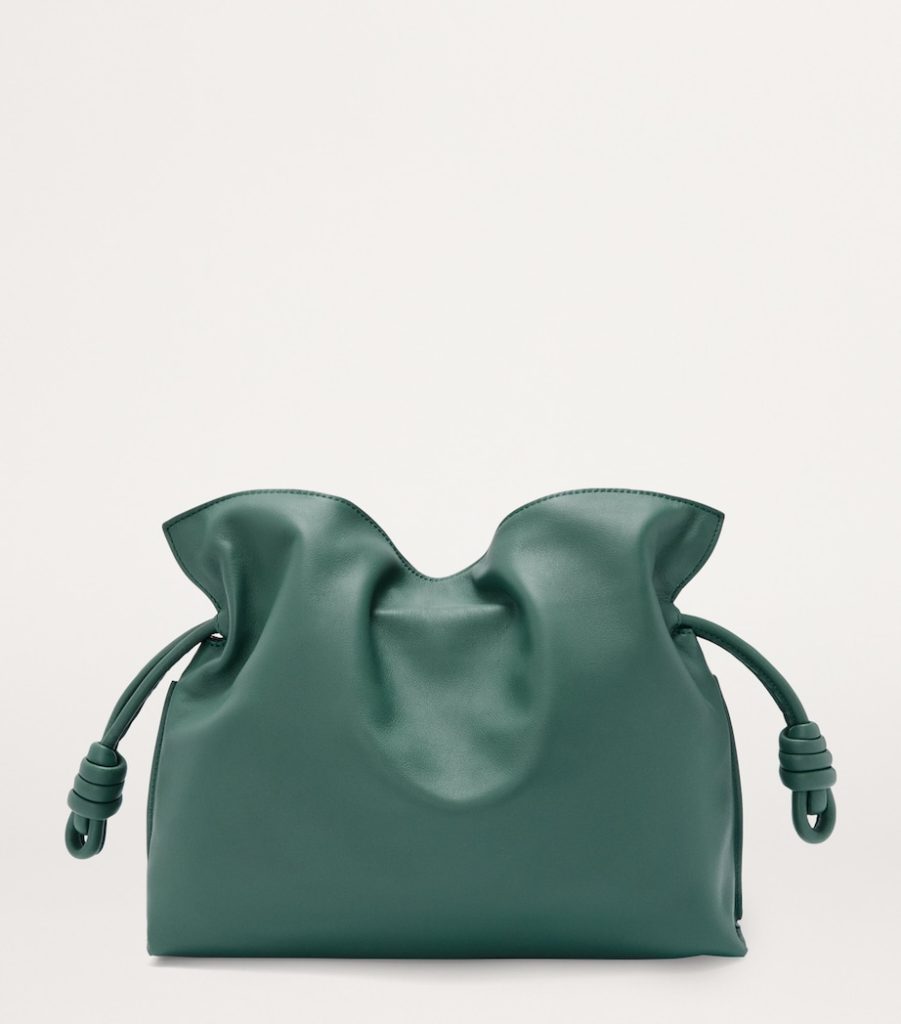
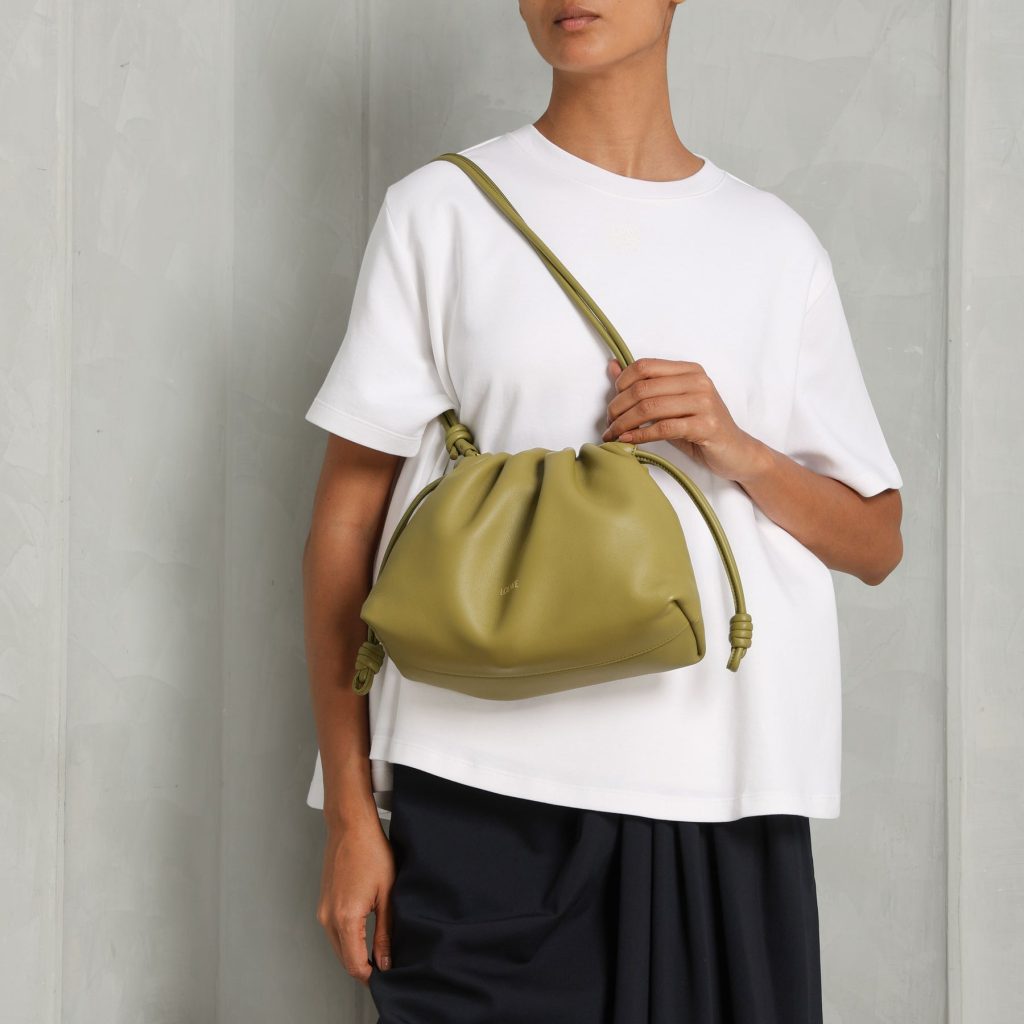
A cord gathers the opening closed. The closure can appear on a bucket bag, pouch, or backpack. The folds near the opening show what happens when the cord is pulled tight. On LOEWE’s Flamenco, the large knots at the ends also make the drawstrings easy to spot.
LOEWE traces the Flamenco back to the 1970s in its brand materials. The version shown here uses the large coiled knots that make the family easy to recognize today. LOEWE archive newsletter
15 Handbag Shapes and Names
This section shows different types of handbags and their names. Compare the photos to see how handbag shapes differ in width, depth, and curve.
23. Baguette Bag
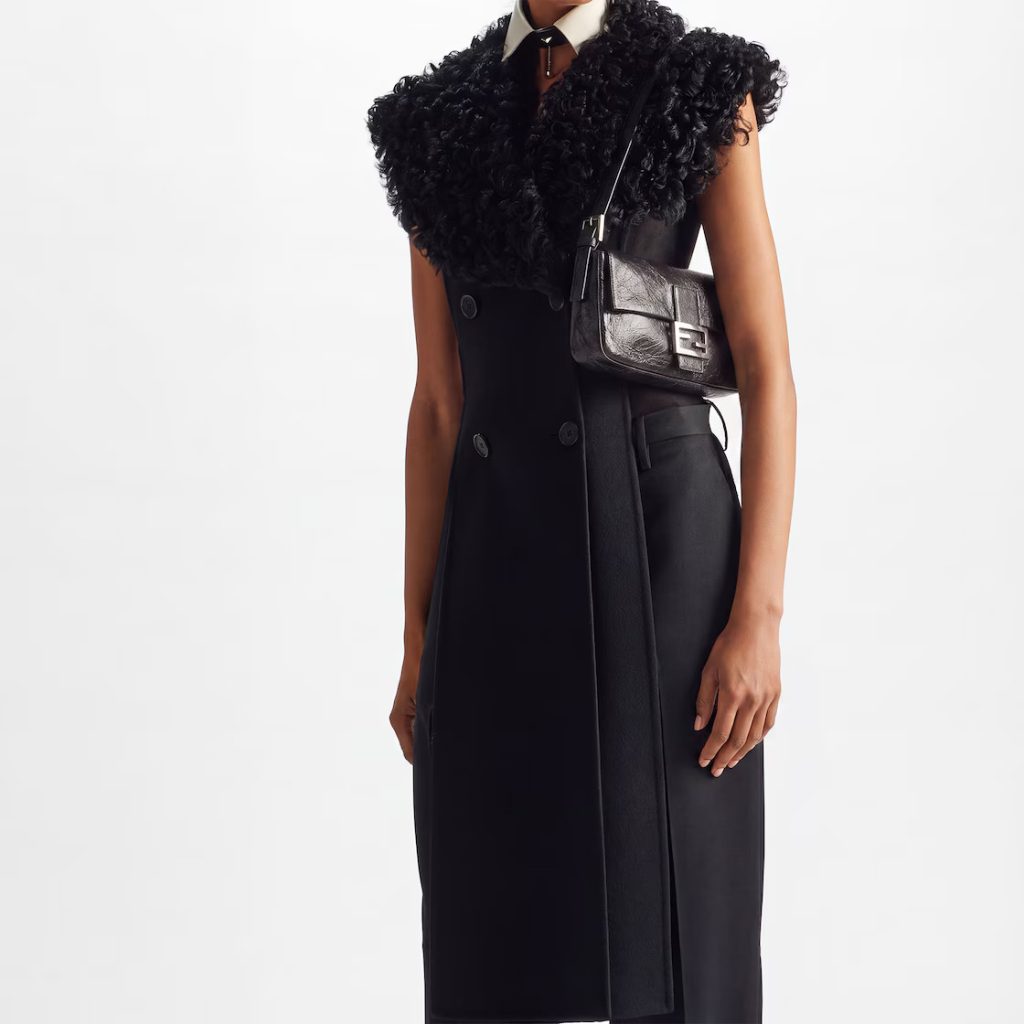
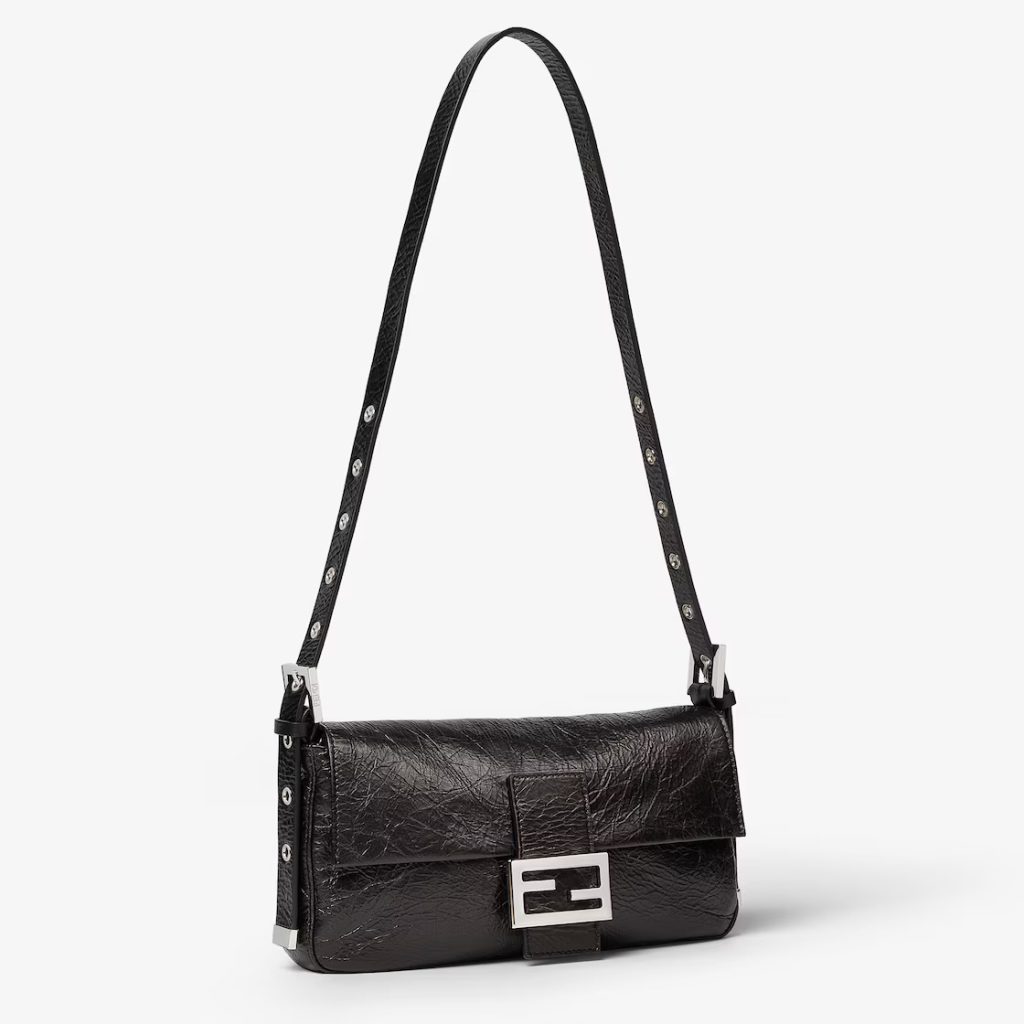
A long, compact body usually pairs with a short strap for carrying under the arm. Look at the strap as well as the outline. Compared with the broader East-West label, a baguette usually combines a slim body with a strap short enough for the bag to tuck under the arm.
Silvia Venturini Fendi designed Fendi’s Baguette in 1997. Its compact, horizontal body was designed to be tucked under the arm, echoing the way a French baguette is carried. Fendi house history · Palais Galliera archive
24. East-West Bag
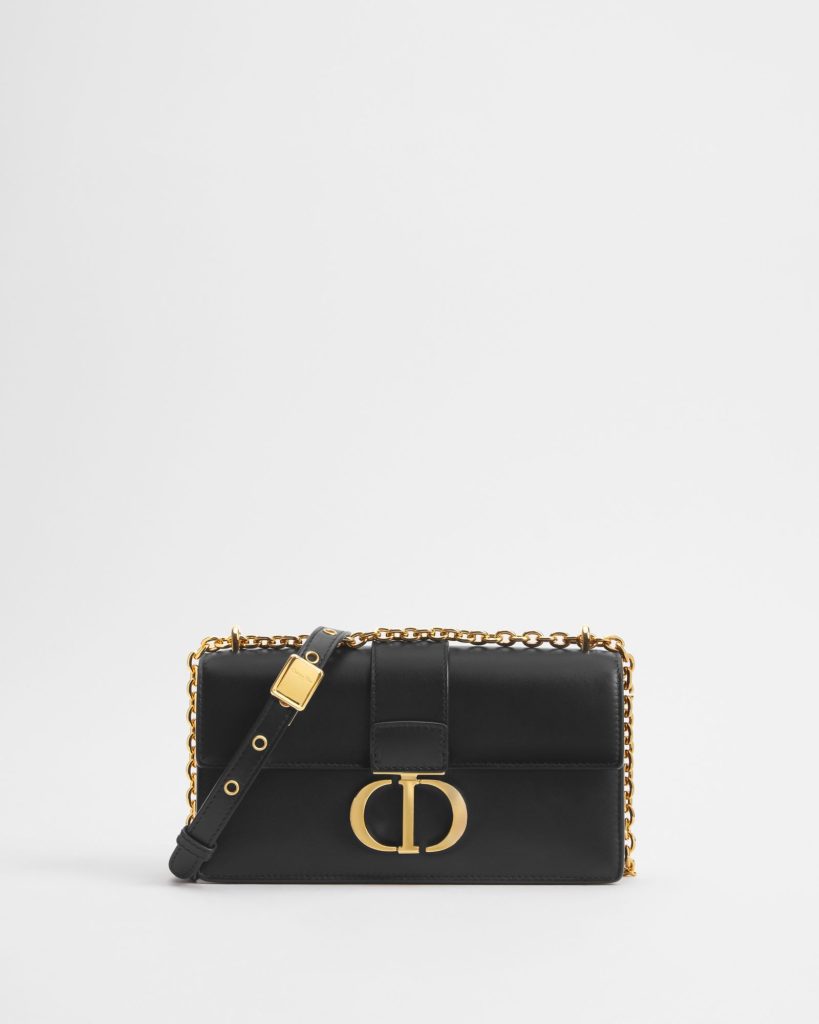
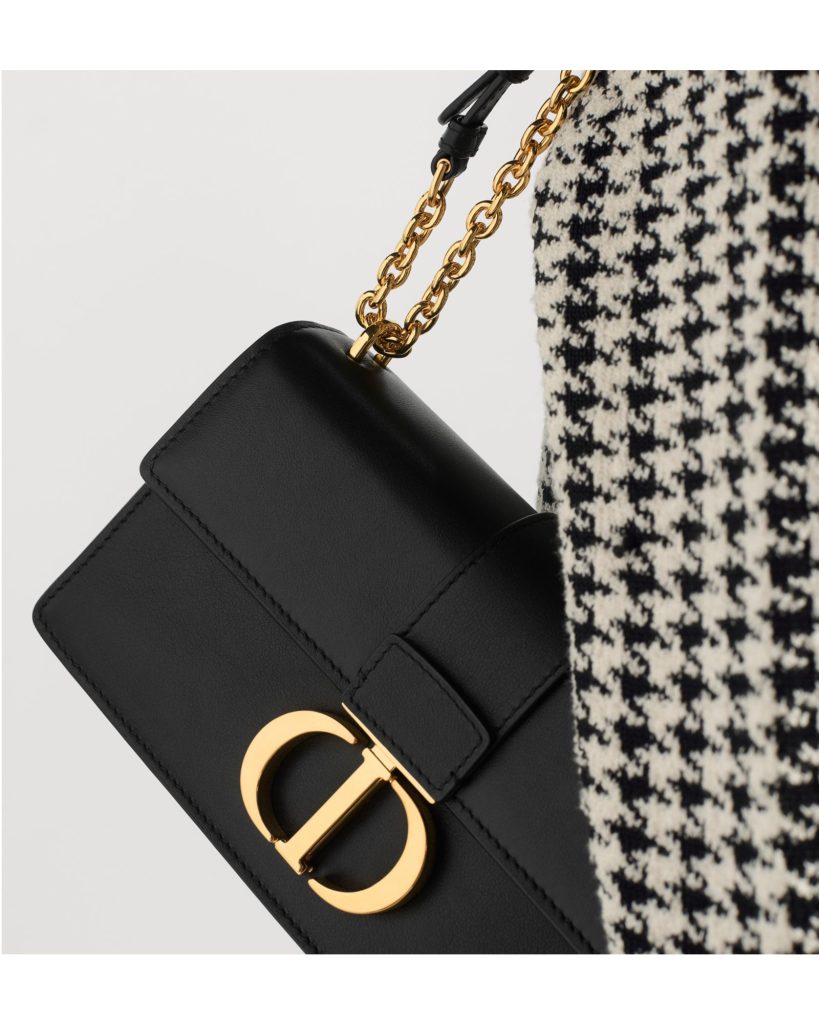
The body is clearly wider than it is tall. East-West describes those proportions and can appear on bags with a long chain, like the Dior example. Compare the width of the front panel with its height before looking at the strap. The long chain on Dior’s 30 Montaigne is one way to carry this horizontal shape.
25. Hobo Bag
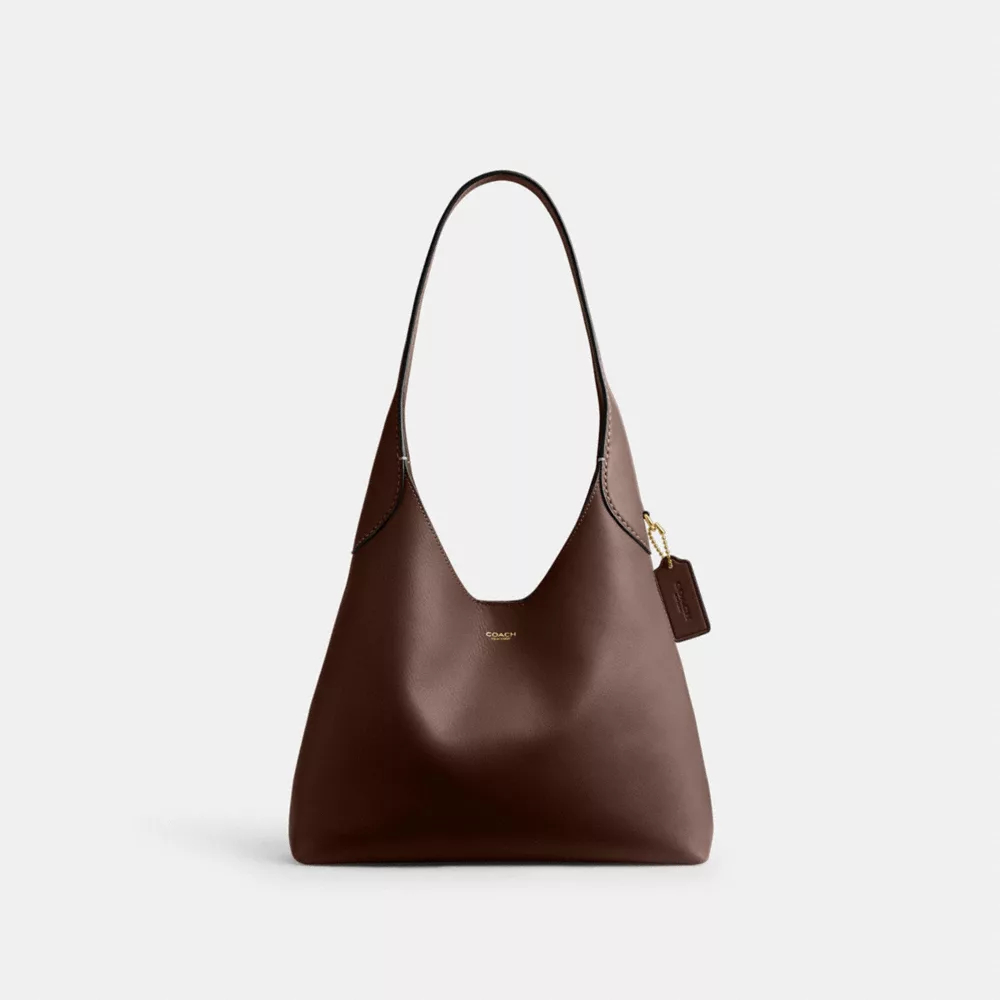
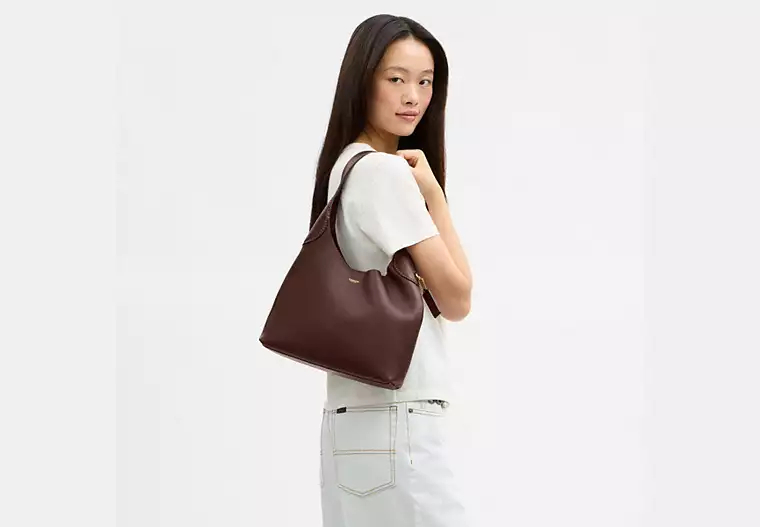
The soft body slouches naturally on the shoulder. Its outline may also curve like a crescent. A soft hobo often changes shape when carried, which is why the shoulder photo matters. Look for the way the sides settle against the body.
26. Crescent Bag
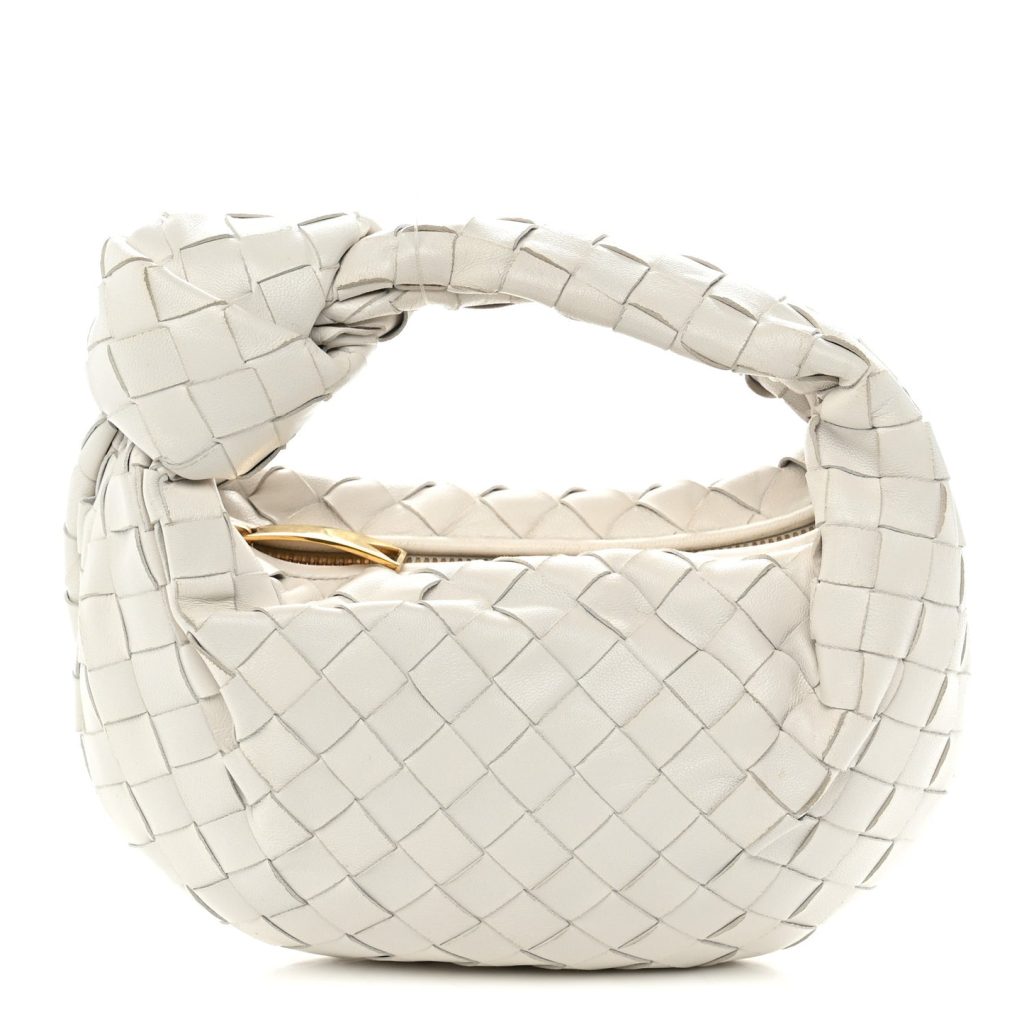
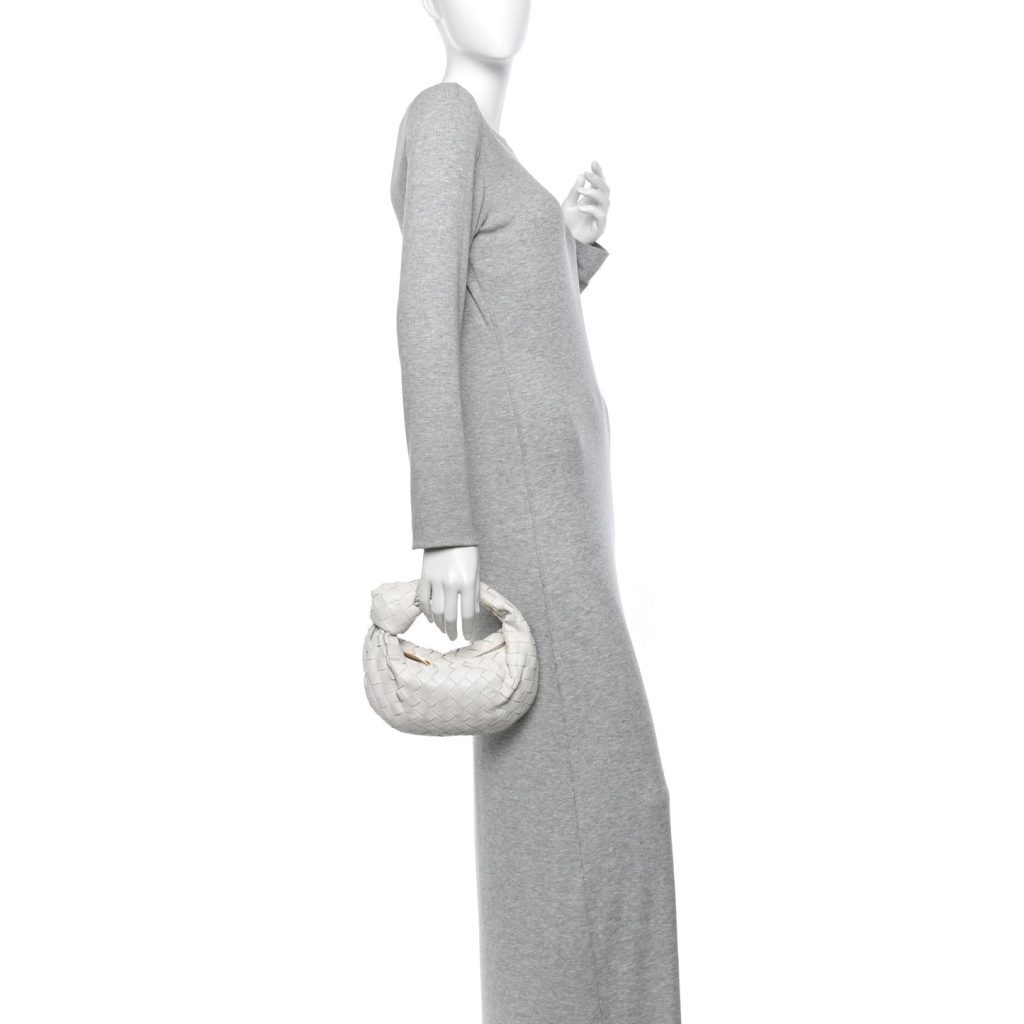
A curved base and scooped top create a half-moon outline. The silhouette can be soft or structured. The scoop in the top edge is more useful than the material for spotting this shape. The woven Mini Jodie shows how a curved outline can be paired with a short, knotted handle.
27. Croissant Bag
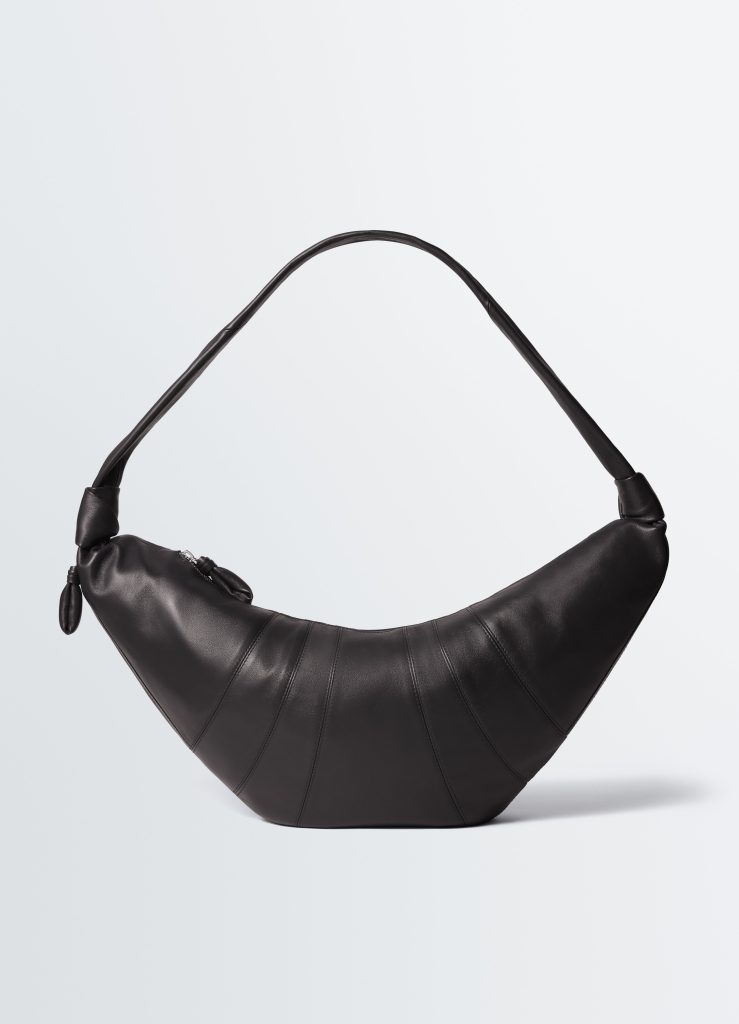
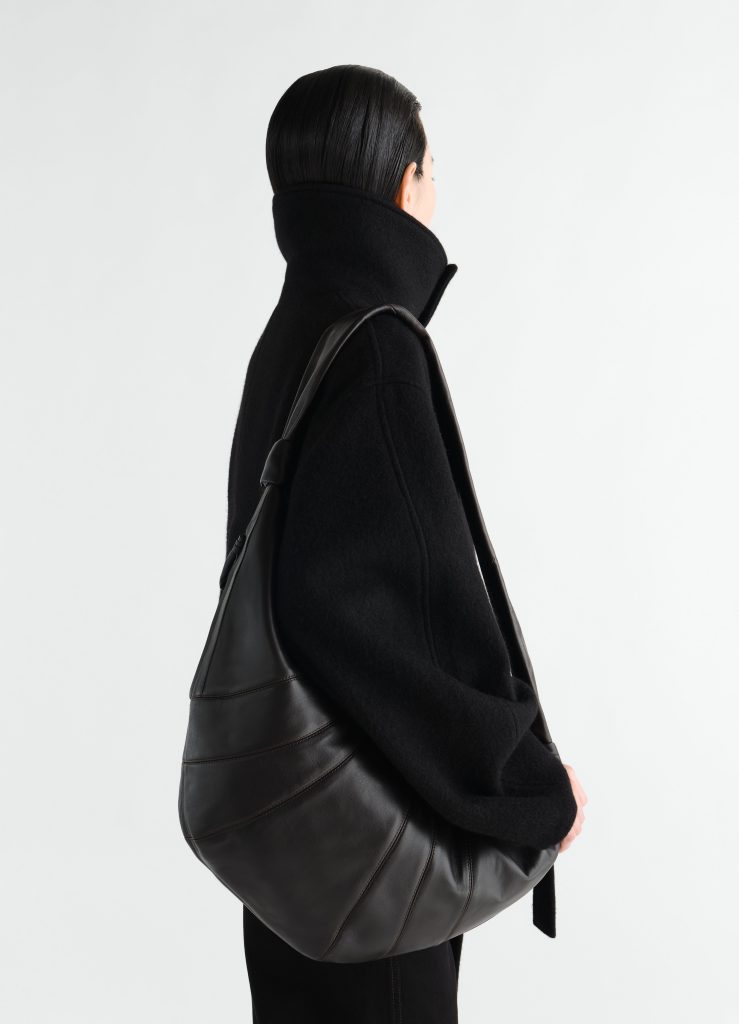
The middle is full and the ends curve inward. Seams following the curve make the shape easy to recognize. The side view makes the rounded volume easier to see than a front view alone. It also shows how the curved body follows the wearer’s side.
LEMAIRE took the shape of a French croissant as the starting point for its signature bag. Curved panels and a soft, full body explain how the pastry’s outline carries through to the finished design. LEMAIRE Croissant collection
28. Dumpling Bag
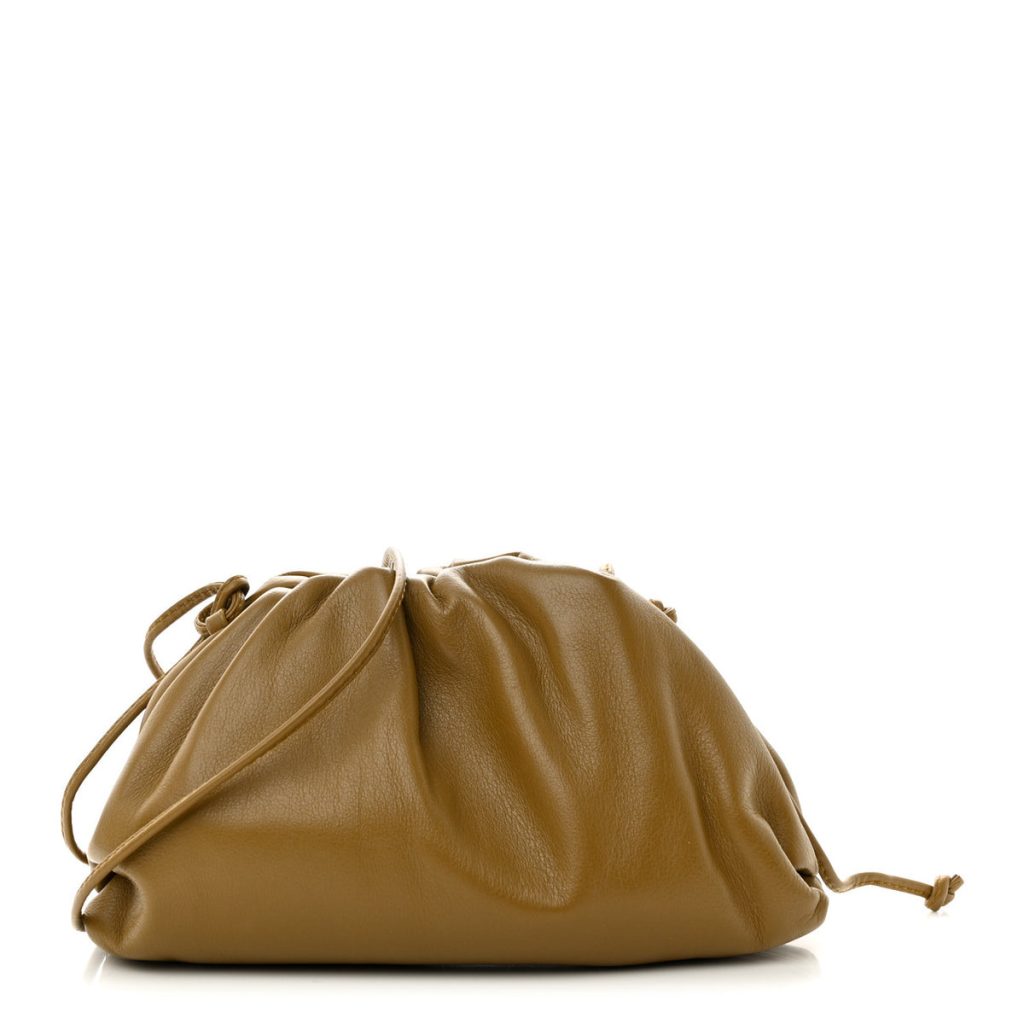
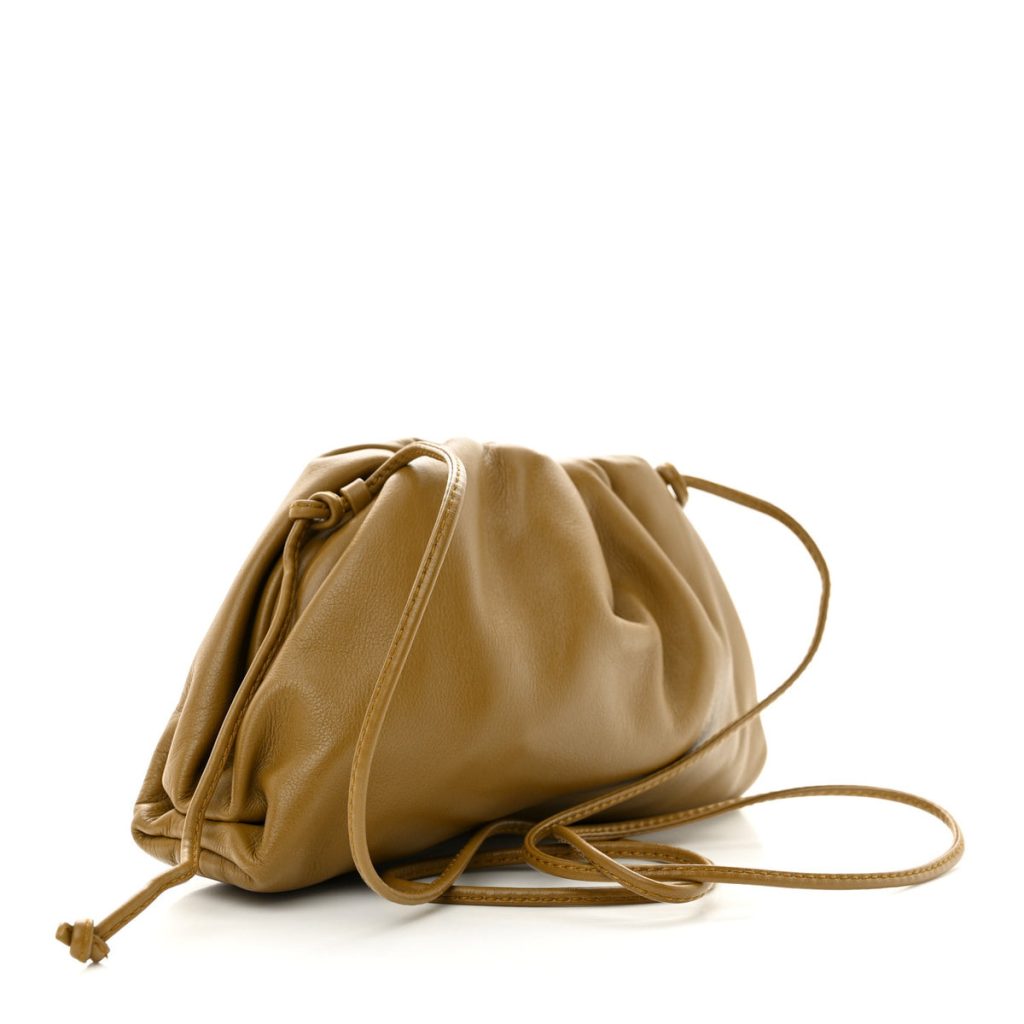
The body stays round and full while the material gathers around the opening. Look at the folds on The Mini Pouch. Notice how the opening looks narrower than the rounded body. The side view shows how the folds turn into volume.
The Pouch was one of Daniel Lee’s first designs for Bottega Veneta, introduced for spring/summer 2019. The Mini Pouch shown here keeps the gathered opening and rounded body of that larger design. Kering 2019 activity report · Bottega Veneta The Mini Pouch
29. Cloud Bag
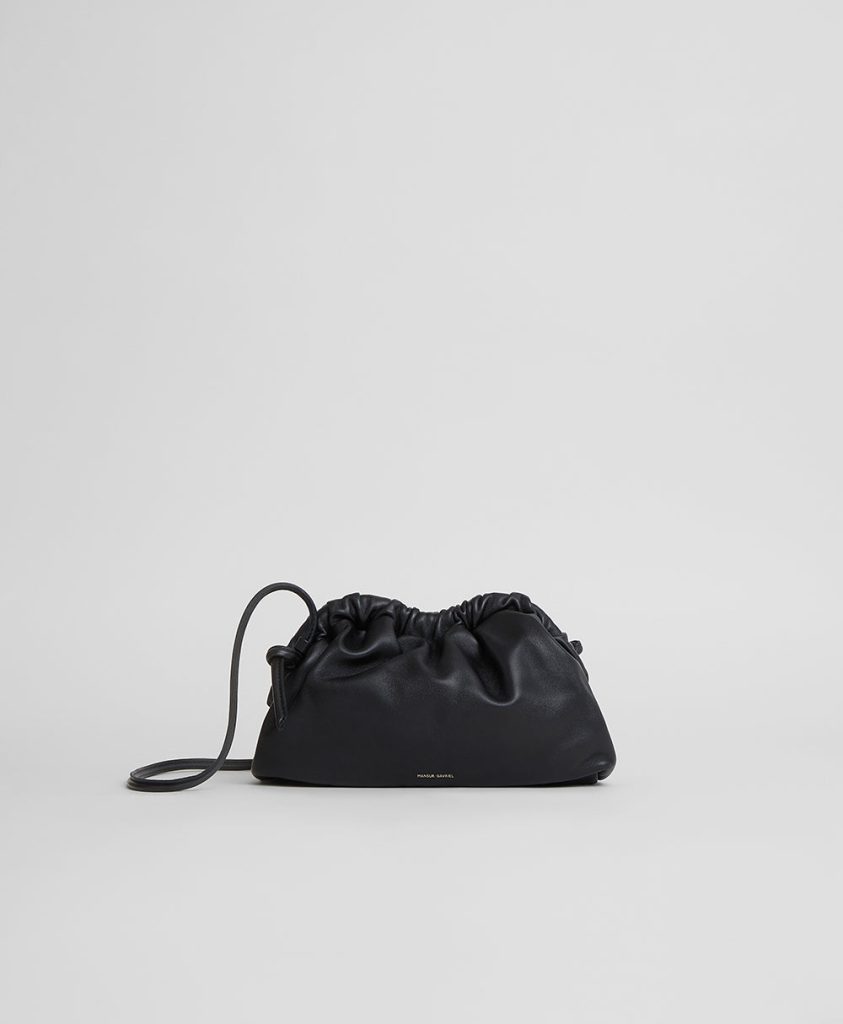
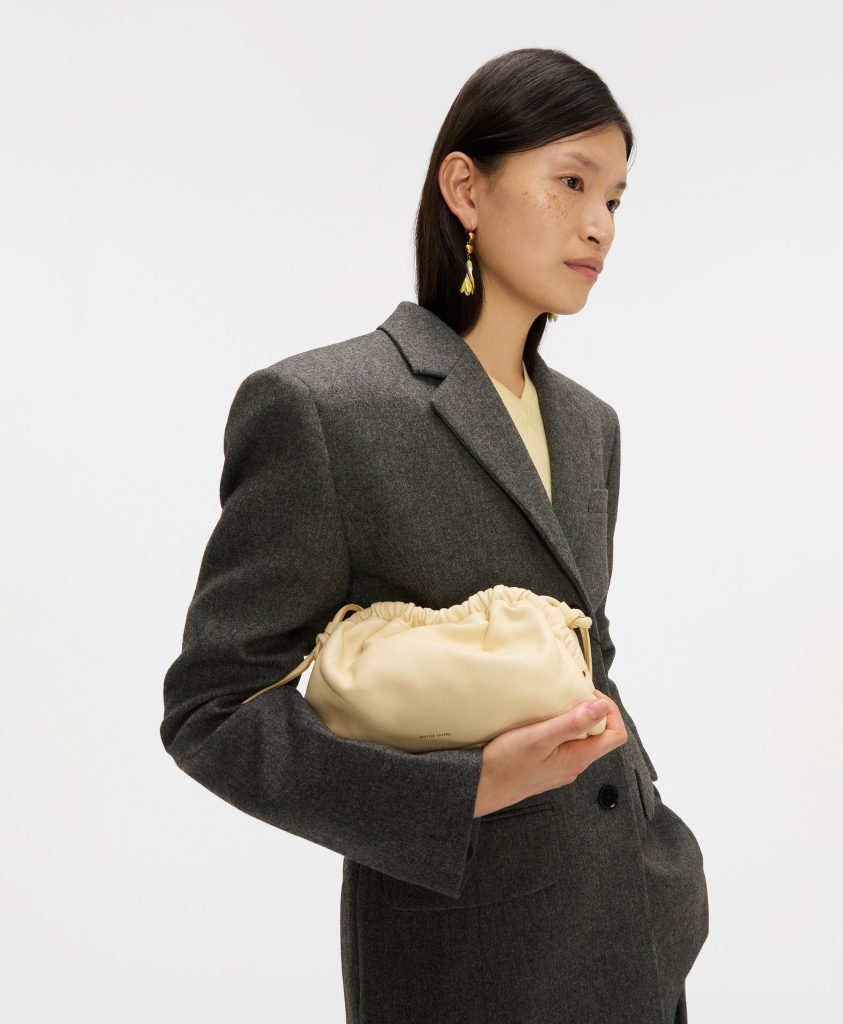
The body looks soft and pillowy, with rounded edges. Depending on how the opening gathers, it can resemble a dumpling bag. The outline looks soft even when the bag is tucked under one arm. Compare the pillowy body with the more obvious gathers around a dumpling bag’s opening.
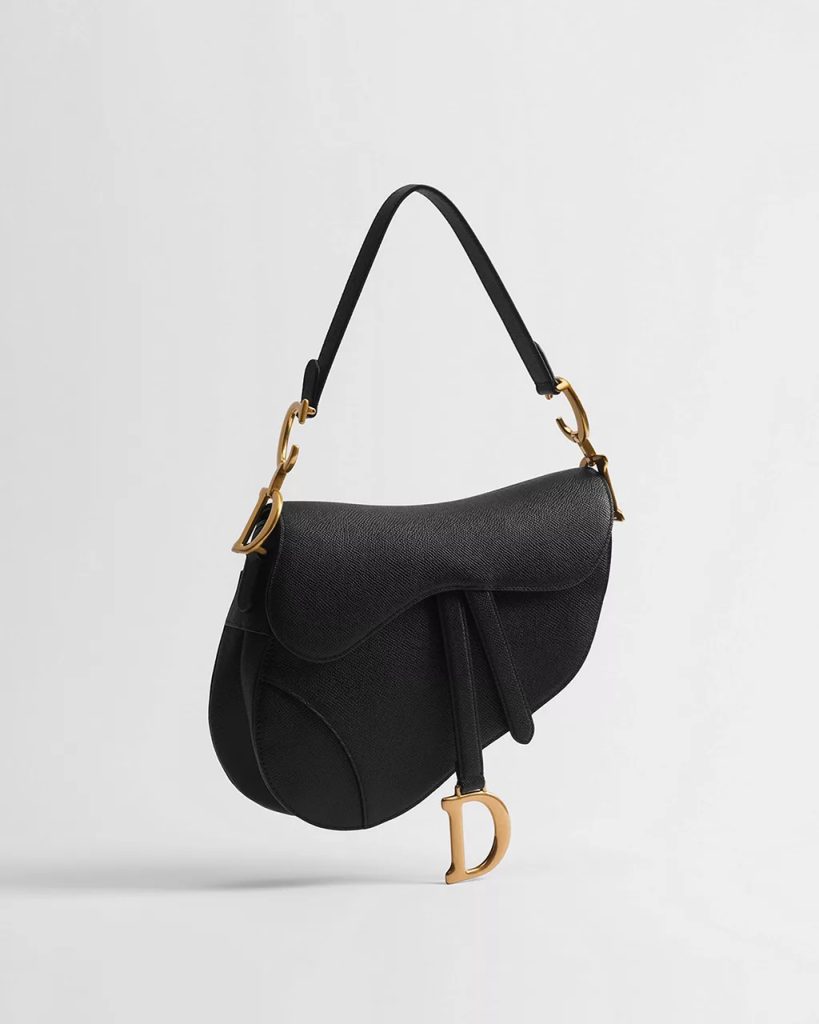
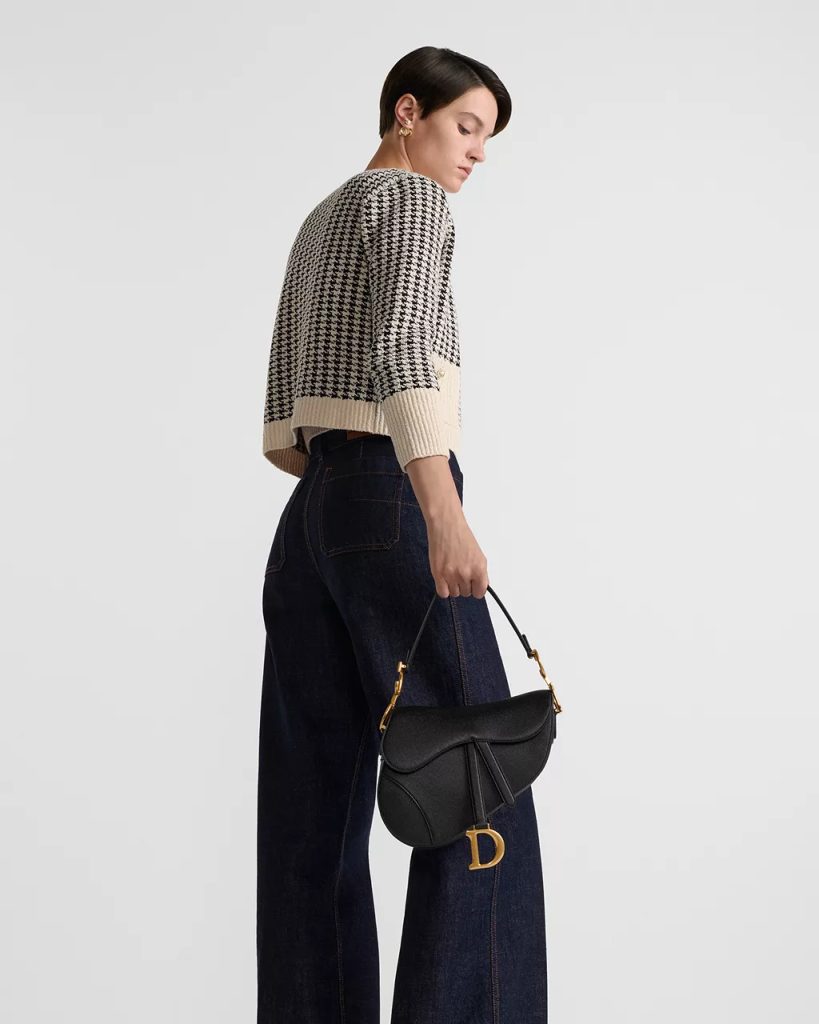
30. Saddle Bag
A curved lower edge and a front flap are common clues. A long strap can also make it a crossbody. On the Dior example, the asymmetric outline and hanging D charm make the silhouette especially recognizable. A long strap can change the carry style while keeping that profile.
John Galliano designed Dior’s Saddle in 1999, and it debuted in the house’s spring/summer 2000 collection. The curved lower edge is the clearest link to its equestrian name. National Gallery of Victoria collection
31. Shell Bag
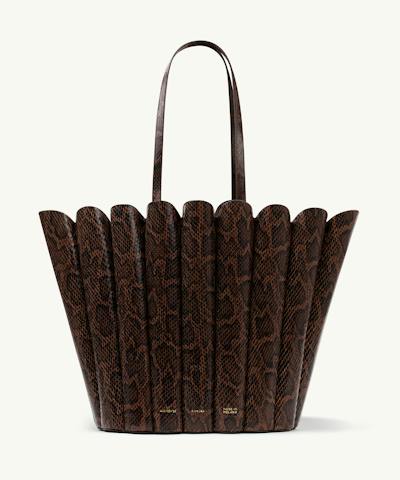
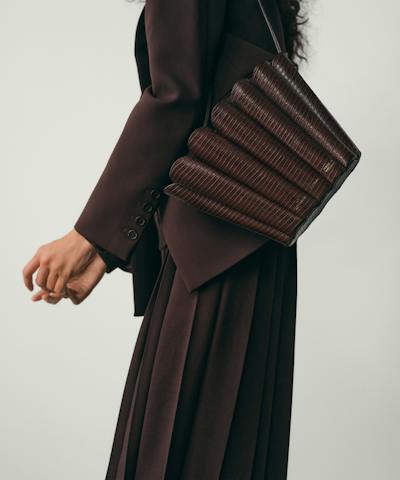
A shell-like curve defines the outline. Some designs add scalloped edges or fan-like lines. In the photos, the raised panels fan outward and round off at the top. Those outer edges give a better clue to the shape than the handle does.
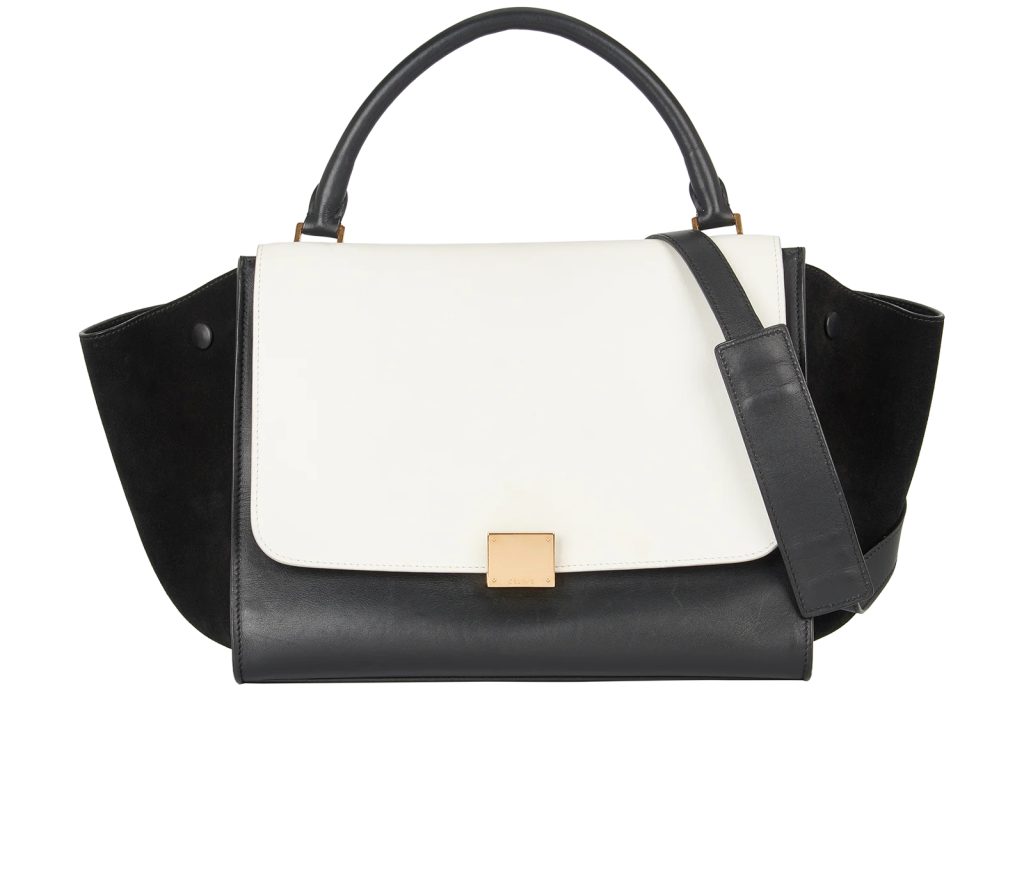
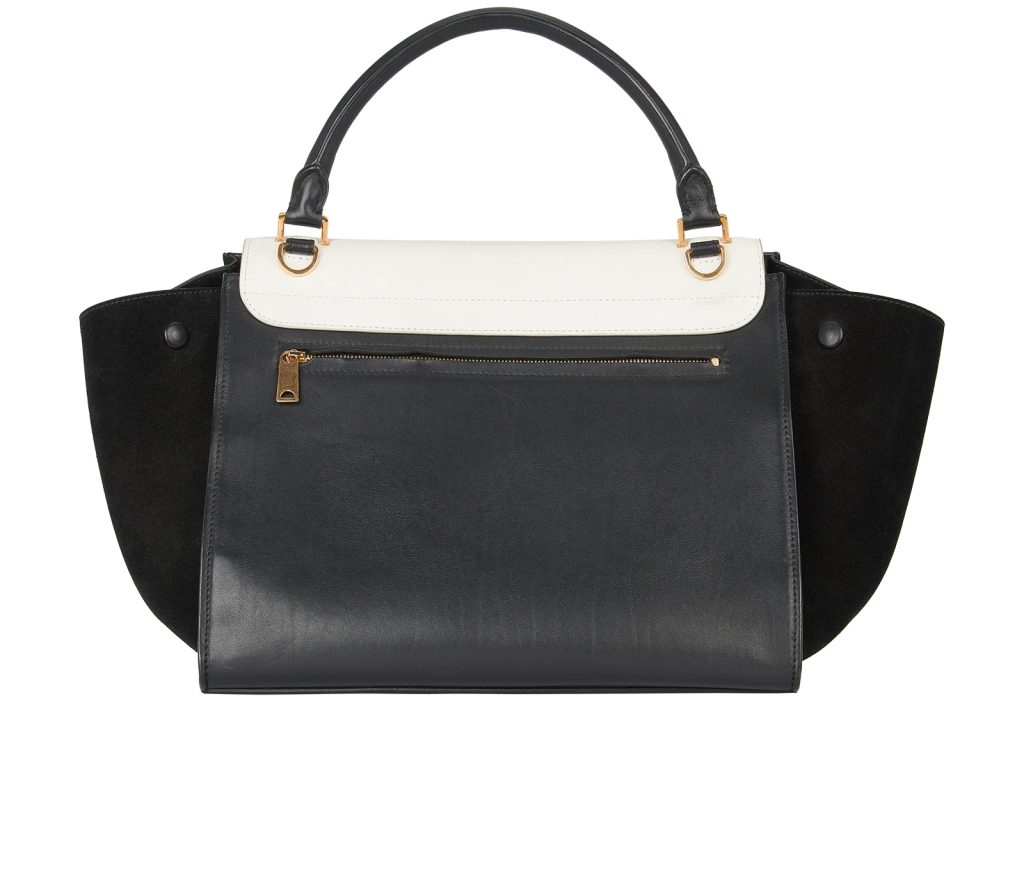
32. Trapeze Bag
The width changes from top to bottom, forming a trapezoid. Extended side panels can make the shape more noticeable. The front and back photos make the side wings easy to compare. They widen the outline even though the center panel stays compact.
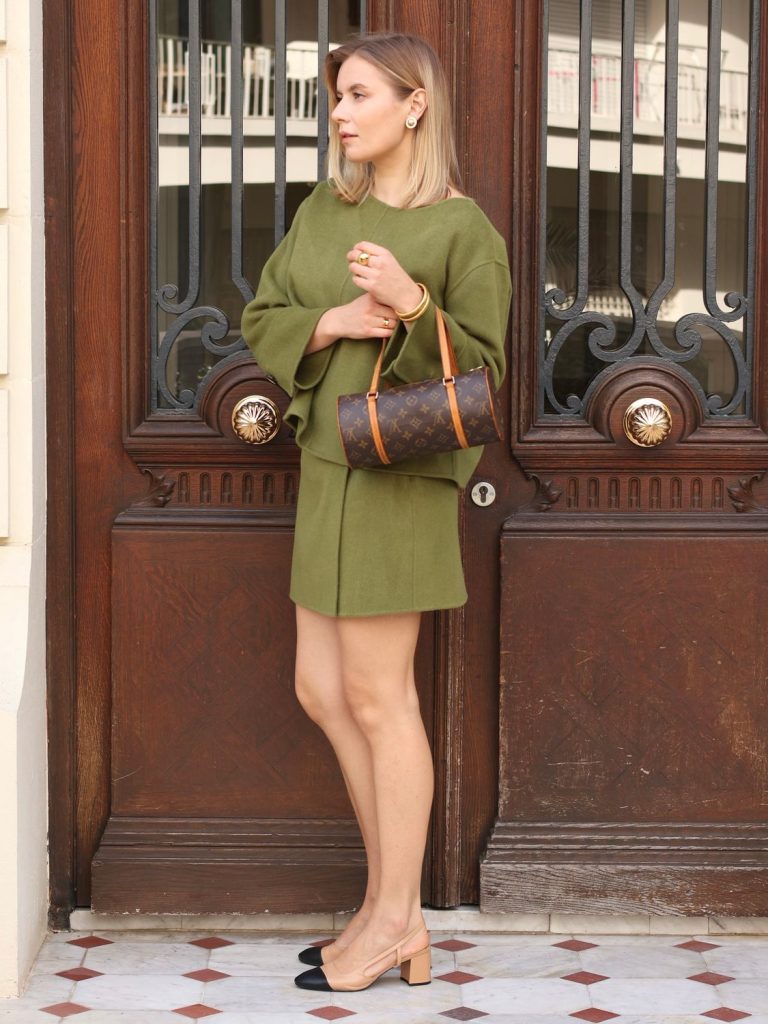
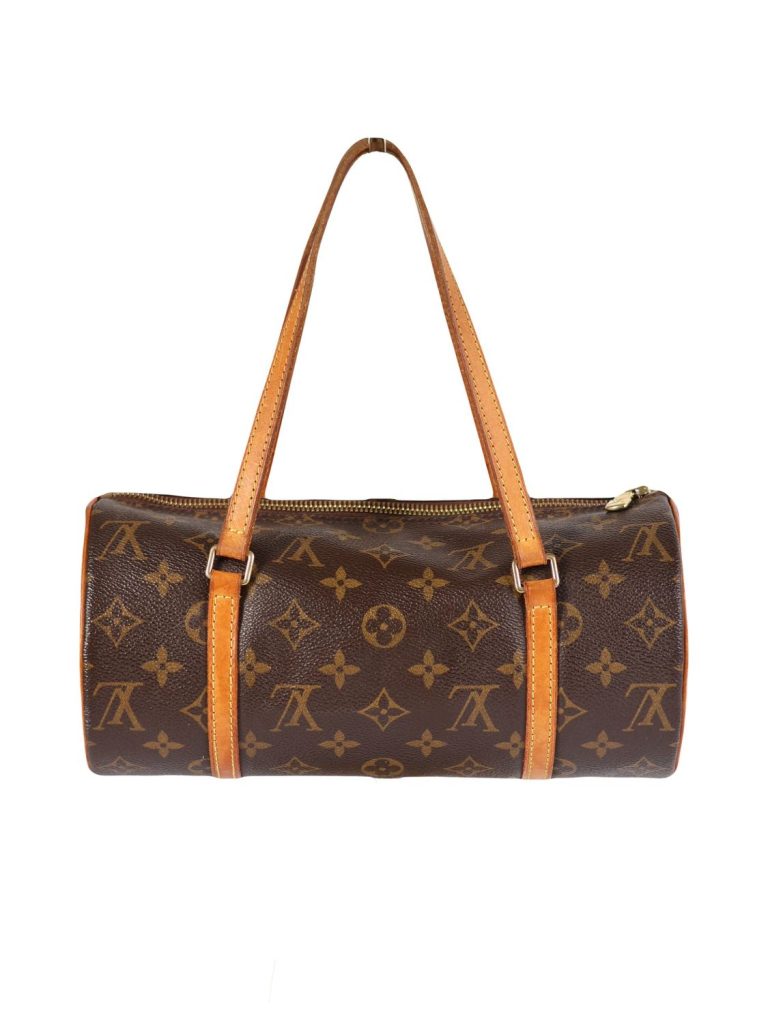
33. Barrel Bag
Round ends make the body resemble a horizontal cylinder. A side angle shows the end panels clearly. On the Louis Vuitton Papillon, the rounded ends and long zip explain the barrel shape more clearly than the monogram does.
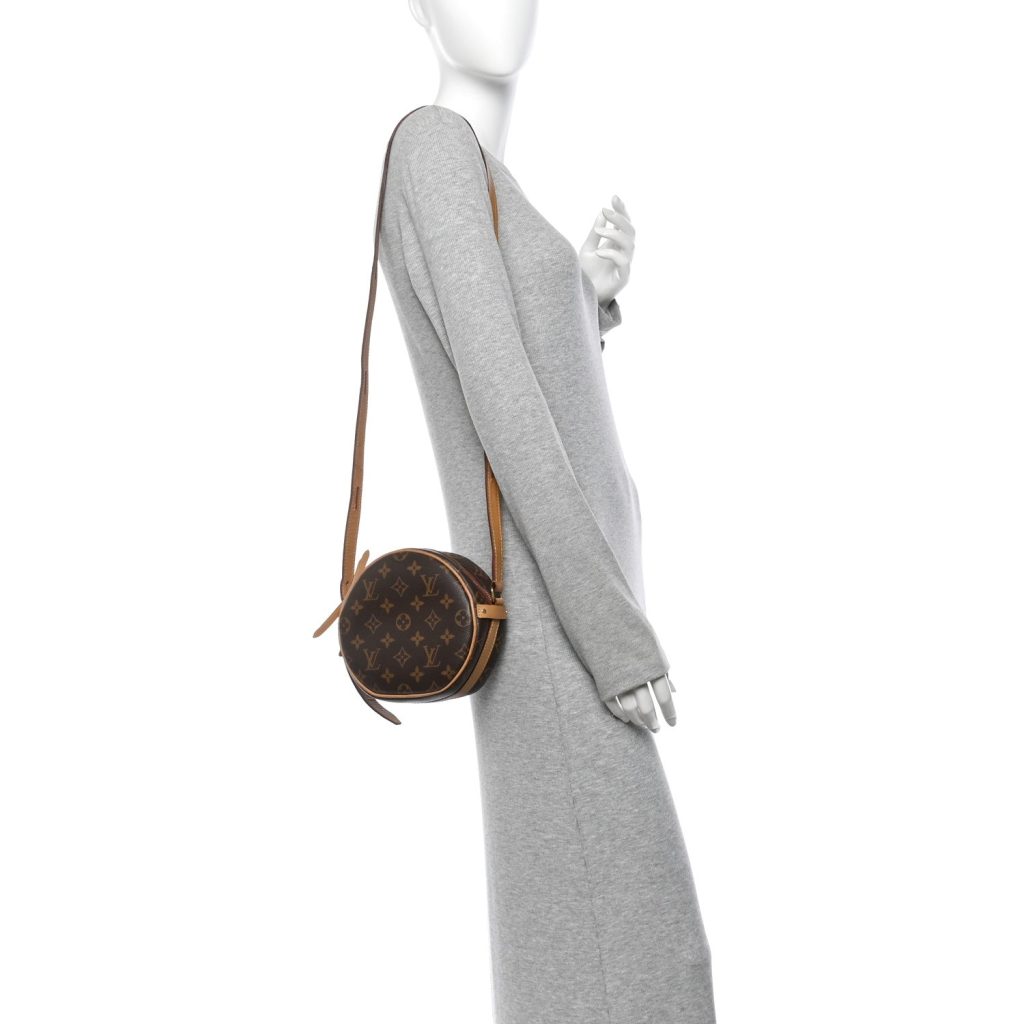
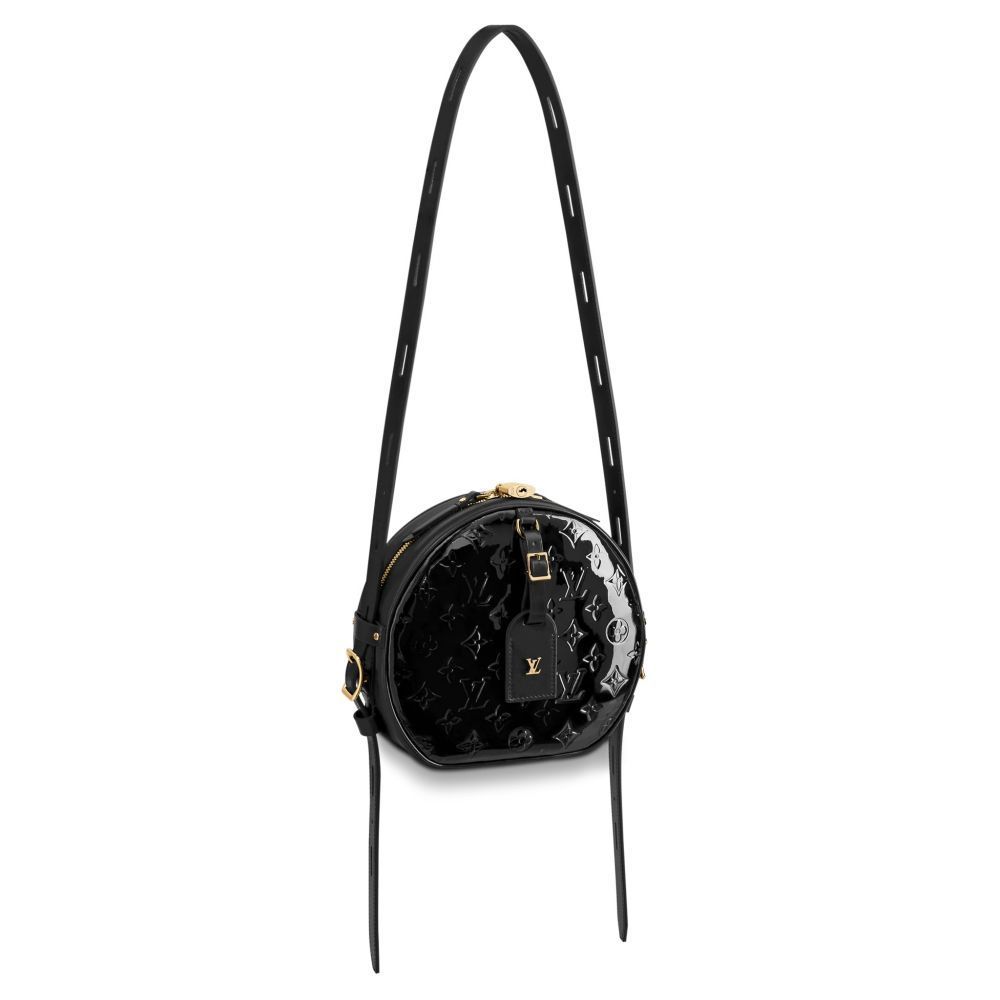
34. Circle Bag
The front resembles a disc. A straight-on photo shows the round outline most clearly. The straight-on view reveals the round face, while a worn photo shows how compact it looks against the body. The Boîte Chapeau uses a hatbox-like outline.
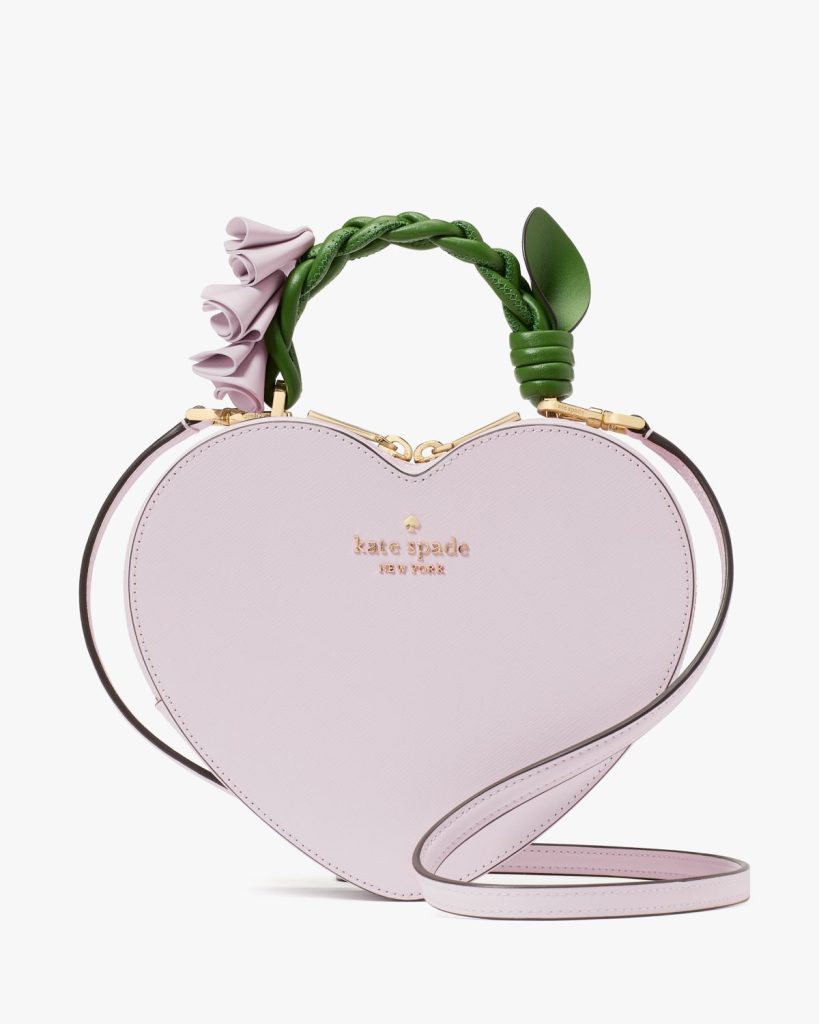
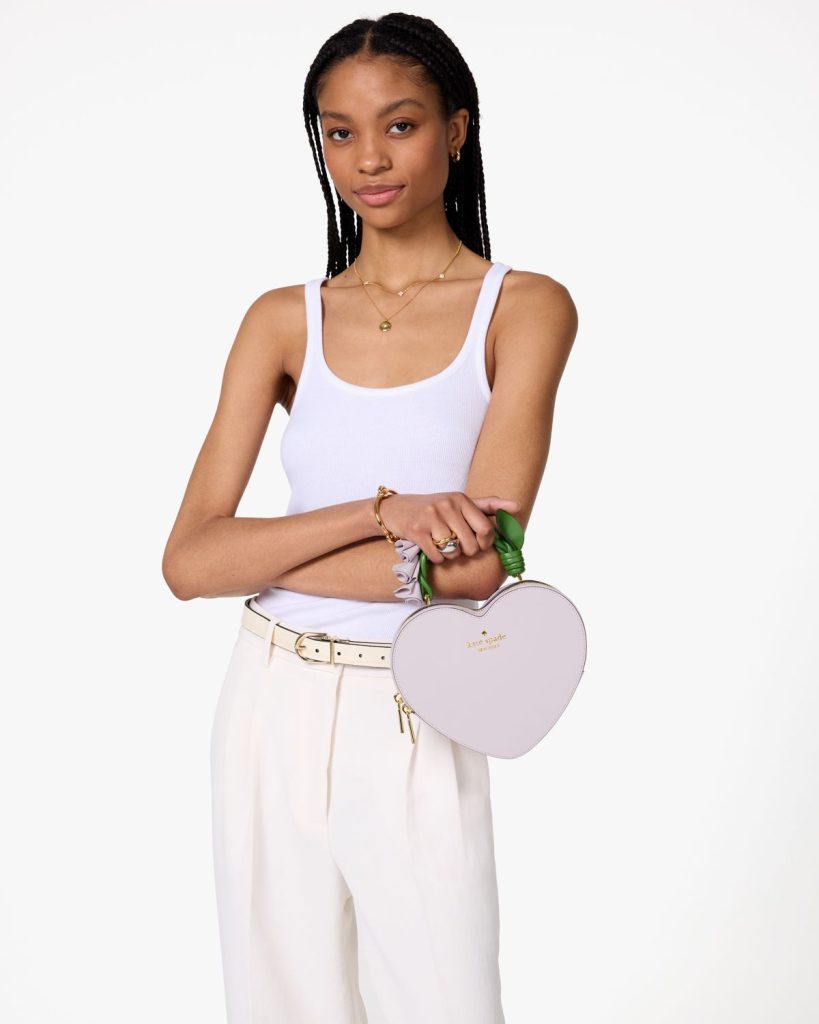
35. Heart-Shaped Bag
Two rounded lobes at the top and a point at the base form the heart outline. The two curves at the top give way to a point below. On the Kate Spade example, the decorative handle sits above the heart, leaving the outline easy to see.
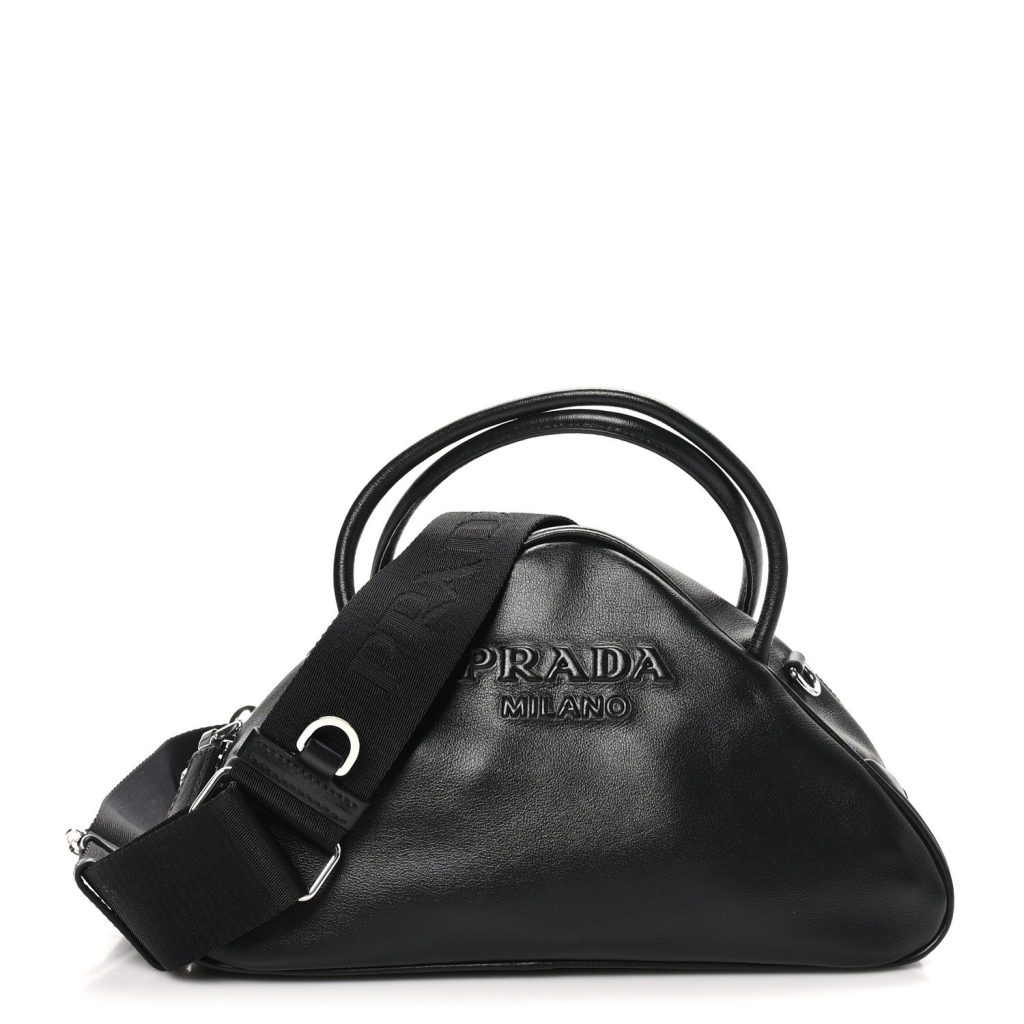
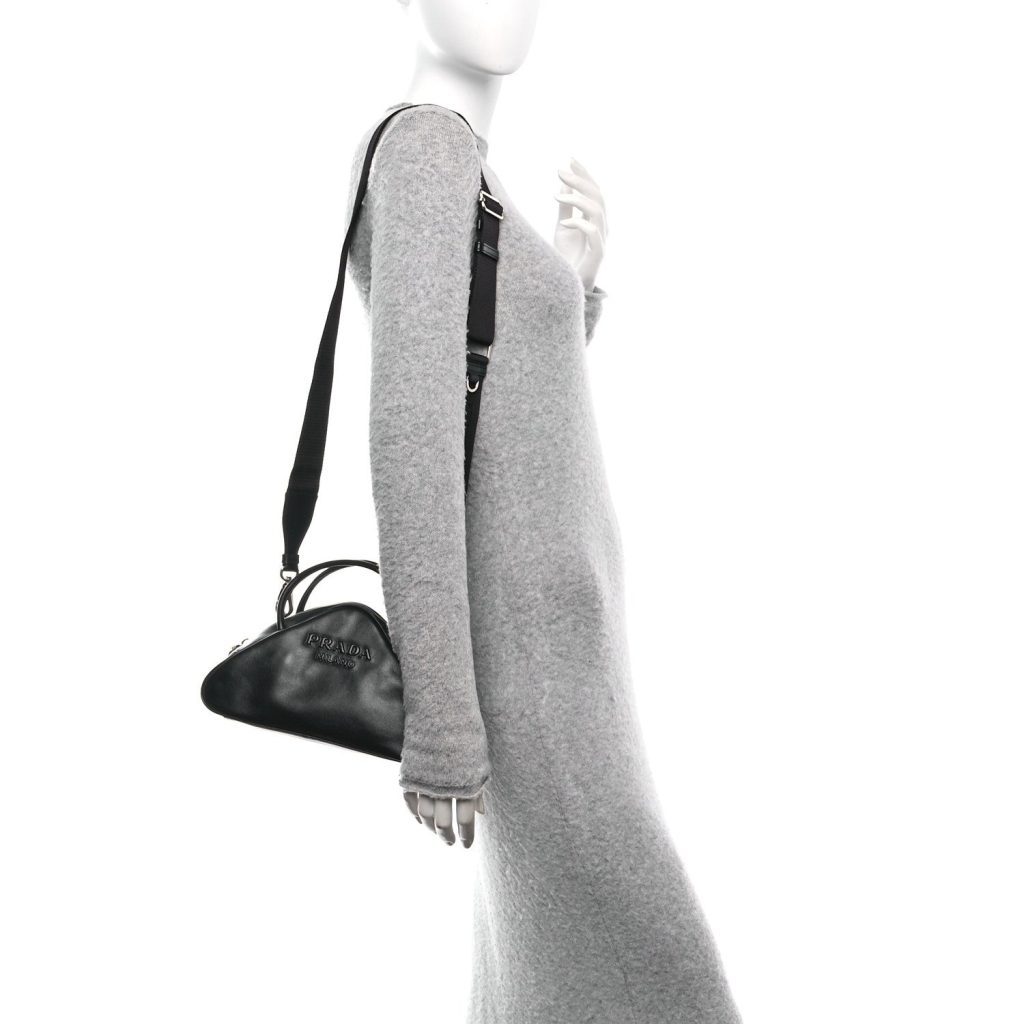
36. Triangle Bag
The front reads as a triangle. Side panels give the bag enough depth to hold its contents. Some triangle bags have rounded corners or soft sides. The Prada example still reads as a triangle from the front even with a fuller base.
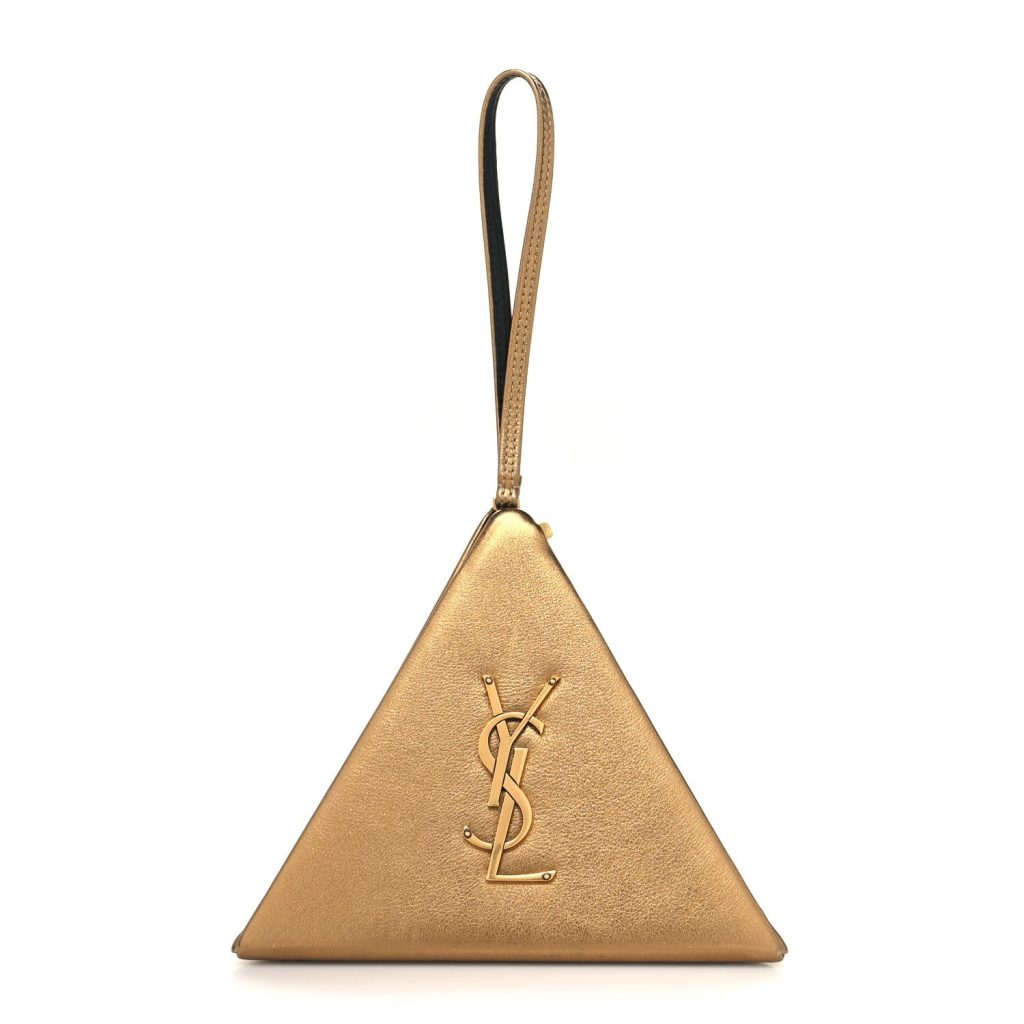
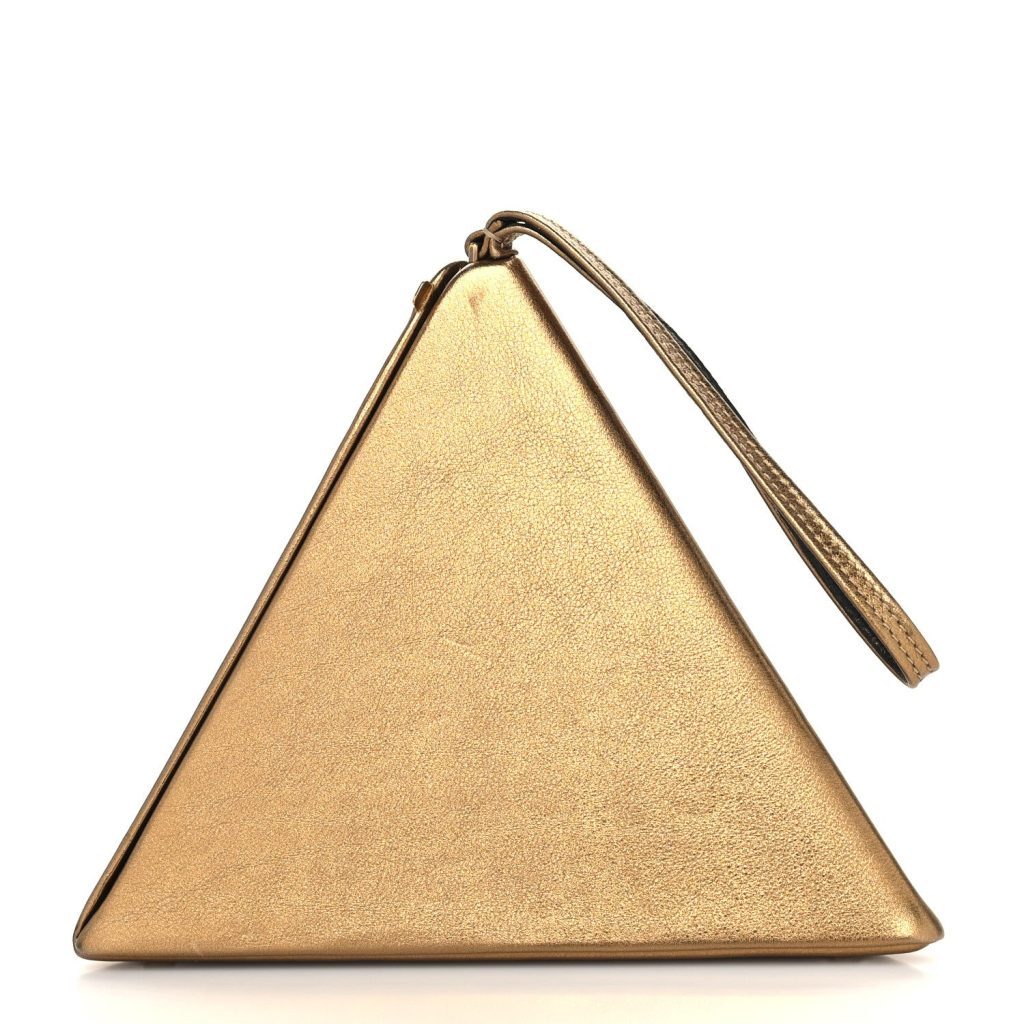
37. Pyramid Bag
Several triangular faces meet at a point. An angled view shows the volume that distinguishes it from a flatter triangle bag. Turn the bag and you can see another triangular face. That change in outline from one view to another helps distinguish a pyramid clutch from a flatter triangle bag.
7 Materials, Construction, and Surface Details
38. Basket Bag
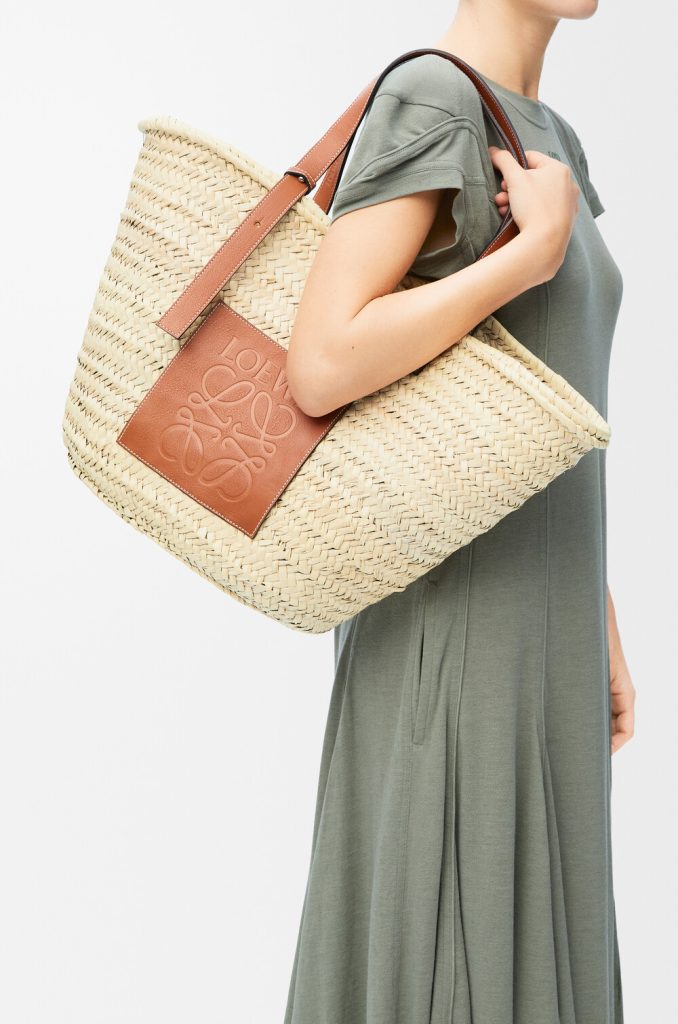
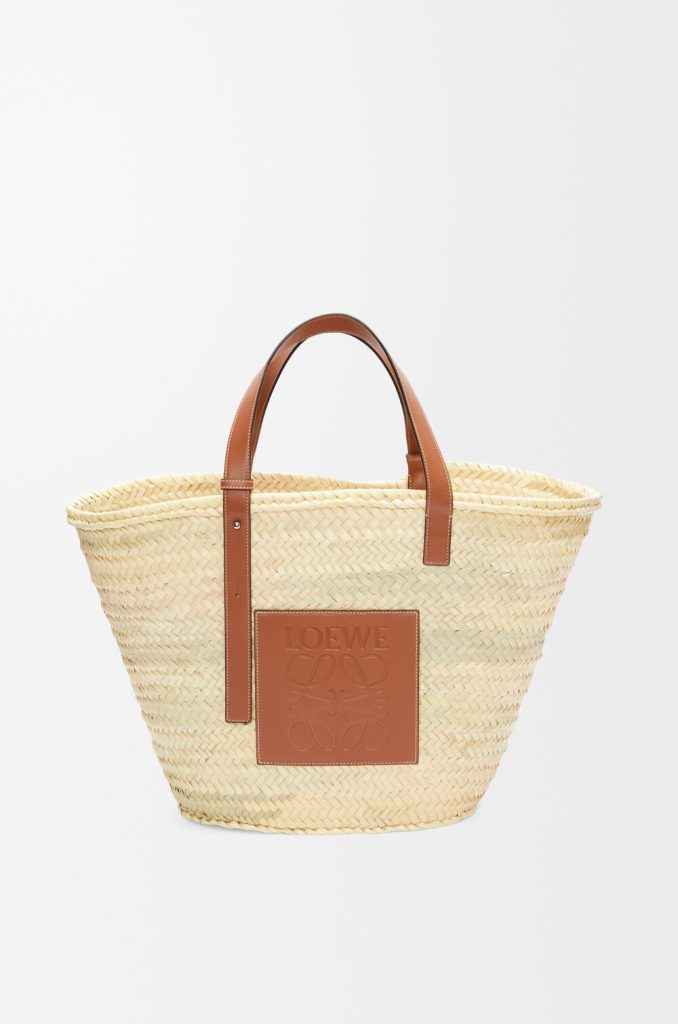
The body resembles a basket, often with a relatively open top. Palm leaves or raffia make the woven texture easy to see. The pictured LOEWE design pairs a woven body with leather handles. The woven shell gives the bag most of its shape, while the handles show how it is meant to be carried.
39. Woven Bag
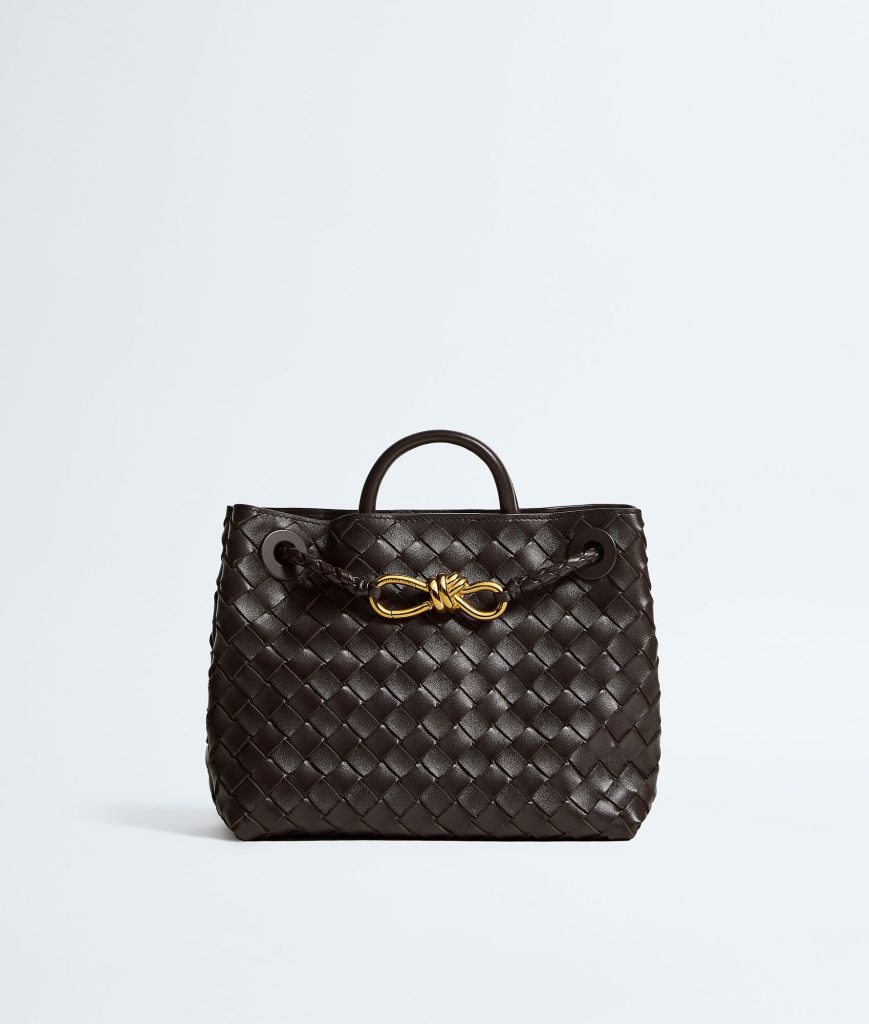
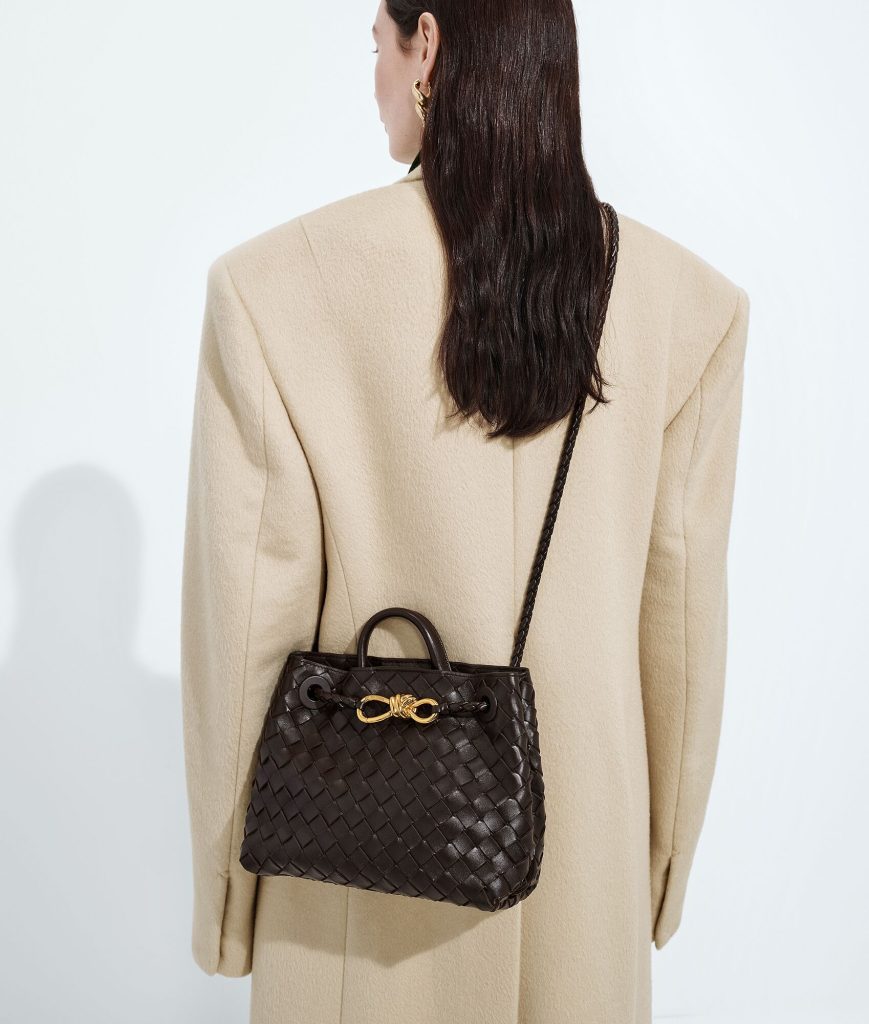
Interlaced strips form the visible surface. The technique can appear on different bag shapes and use leather or other materials. Look at the interlacing rather than the bag’s overall shape. The leather strips on Bottega Veneta’s Andiamo make the technique visible even from a distance.
40. Diamond-Quilted Bag
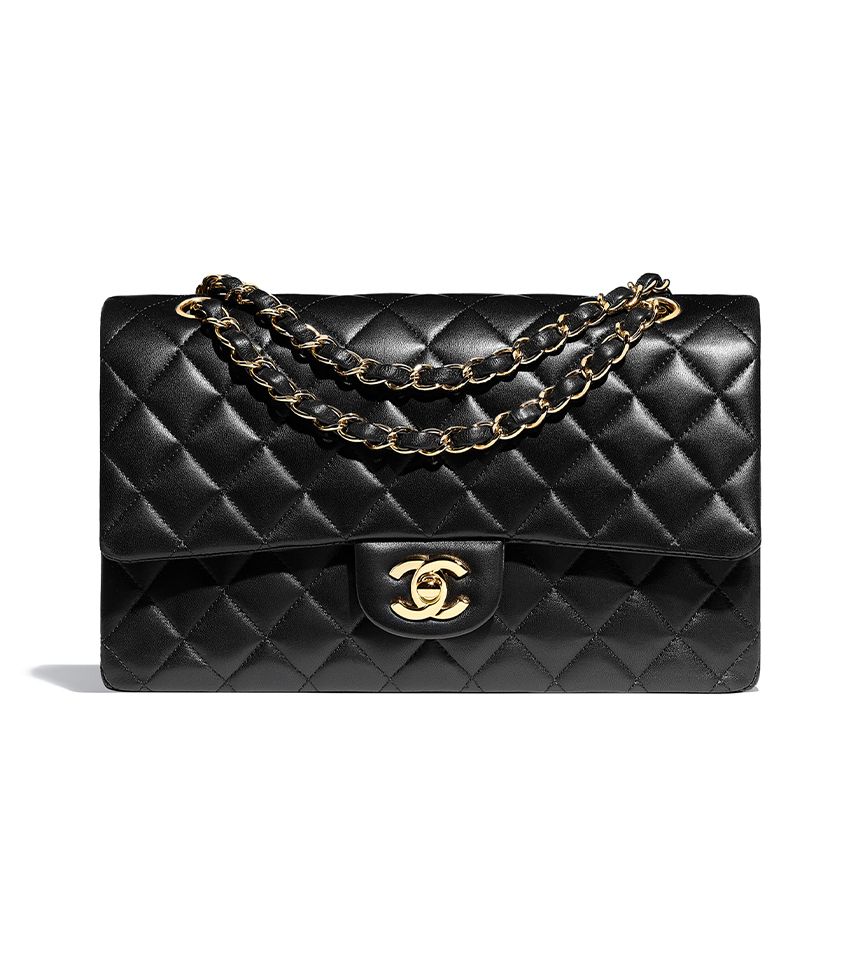
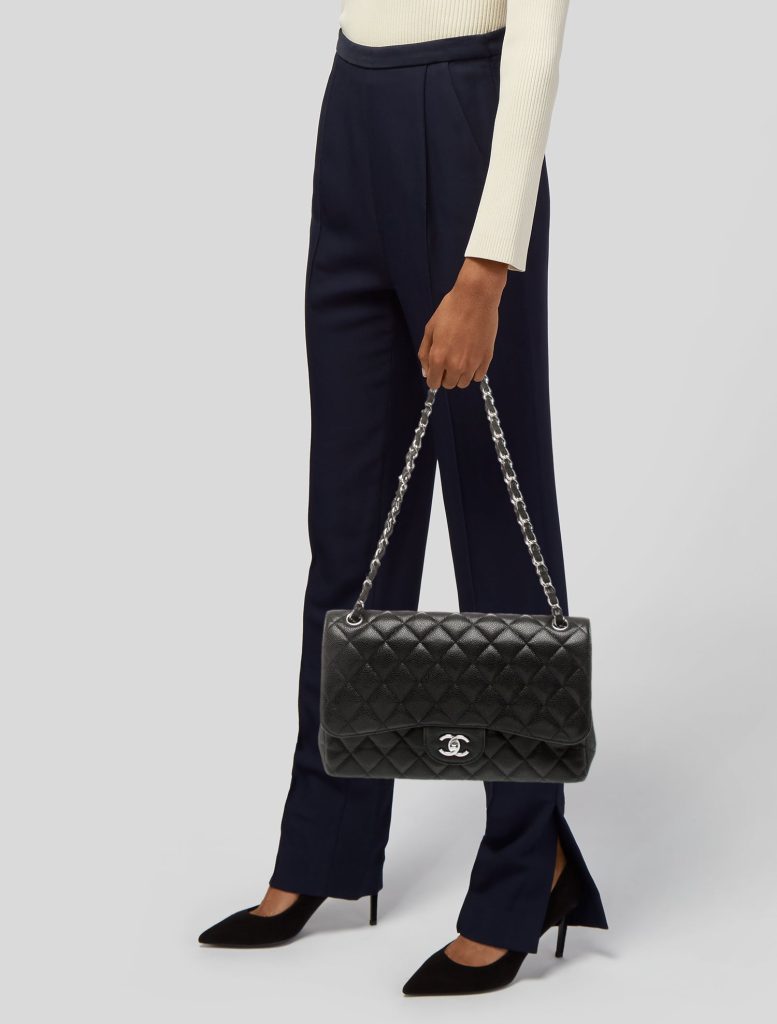
Diamond quilting is easy to spot in the intersecting diagonal stitches and the slight puff between them. Stitching the outer material with the lining or a middle layer creates the raised pattern.
Gabrielle Chanel introduced the 2.55 in February 1955, pairing diamond quilting with a metal chain strap. Karl Lagerfeld’s later Classic Flap, also known as the 11.12, kept the quilting and added a double-C turnlock and a leather-threaded chain. The double-C clasp identifies the style pictured here. Chanel 2.55 · Chanel Classic 11.12 · Christie’s model history
41. Fringe Bag
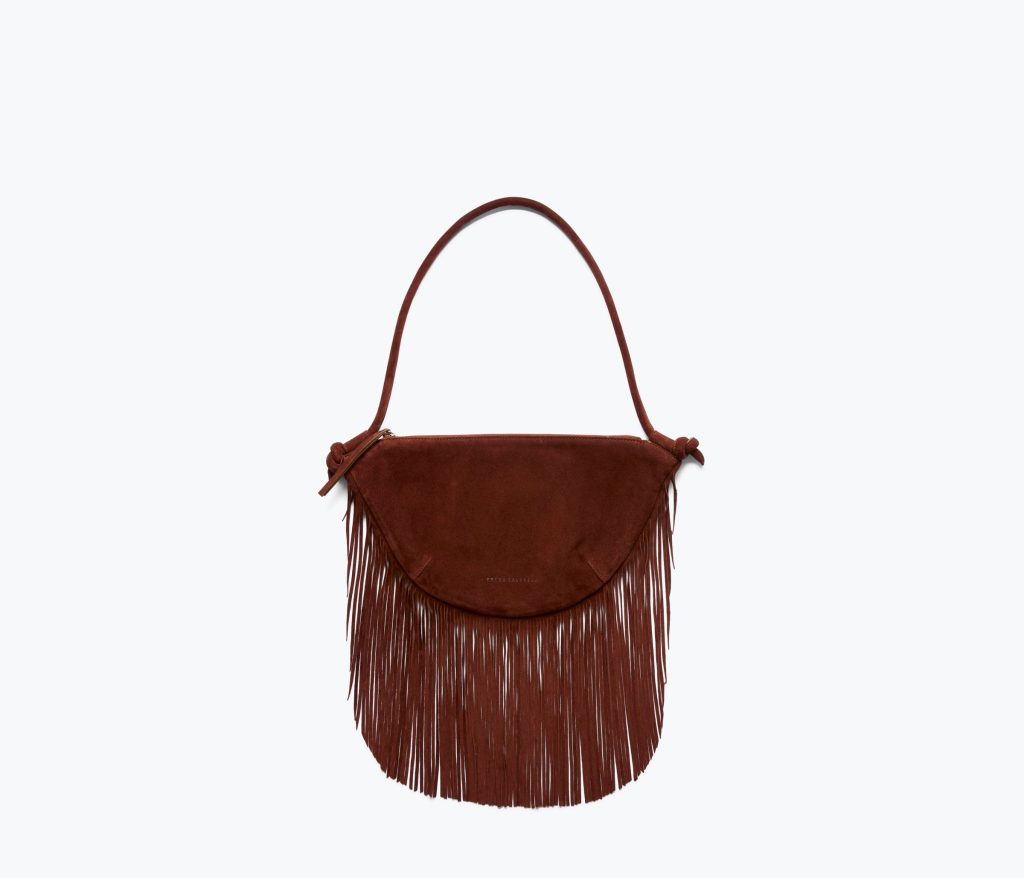
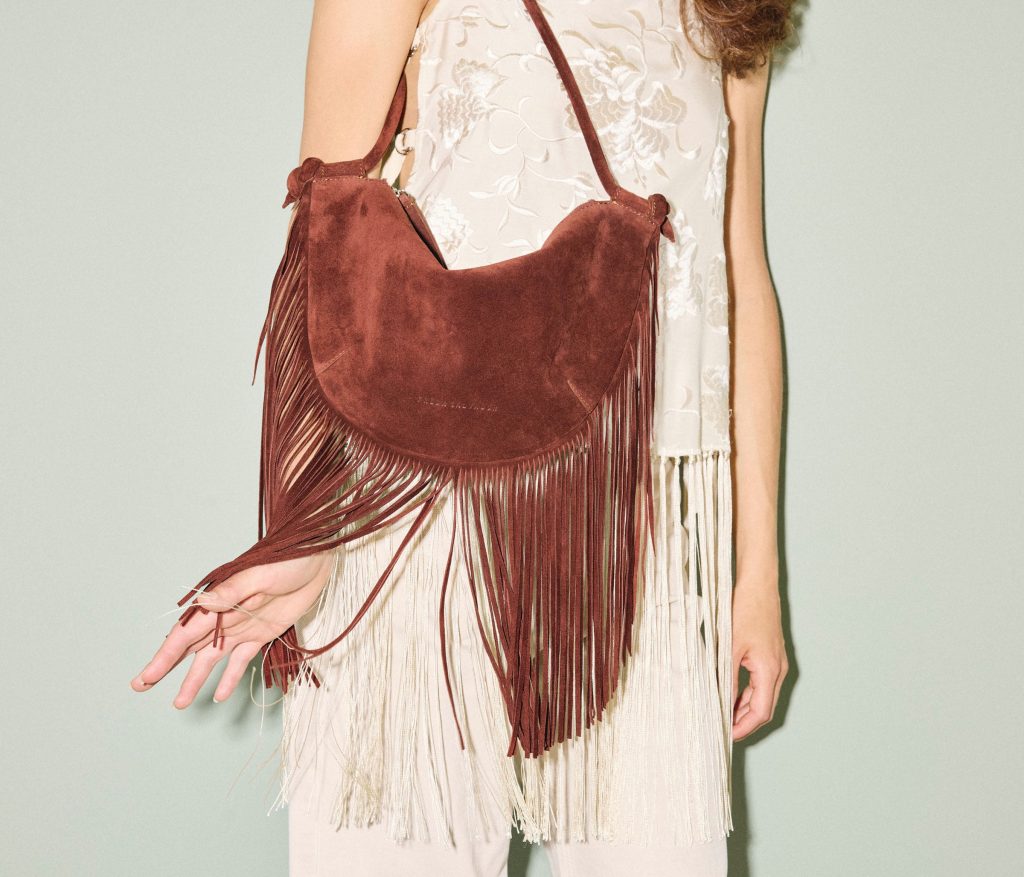
Loose strips hang from an edge or seam and move as you walk. The fringe can run around the bag or highlight a single panel. A front photo shows where the fringe starts, and a worn photo shows how far it hangs. On this crescent bag, the trim emphasizes the lower curve.
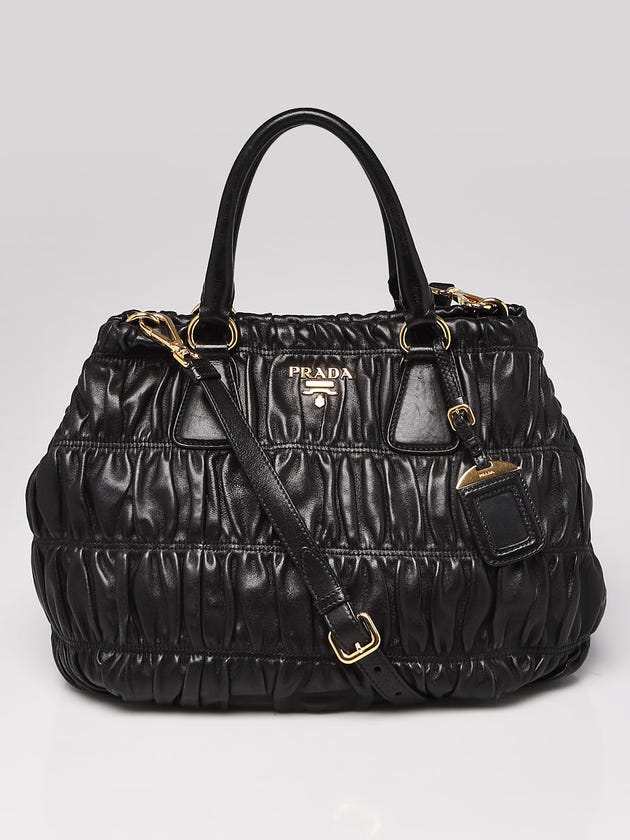
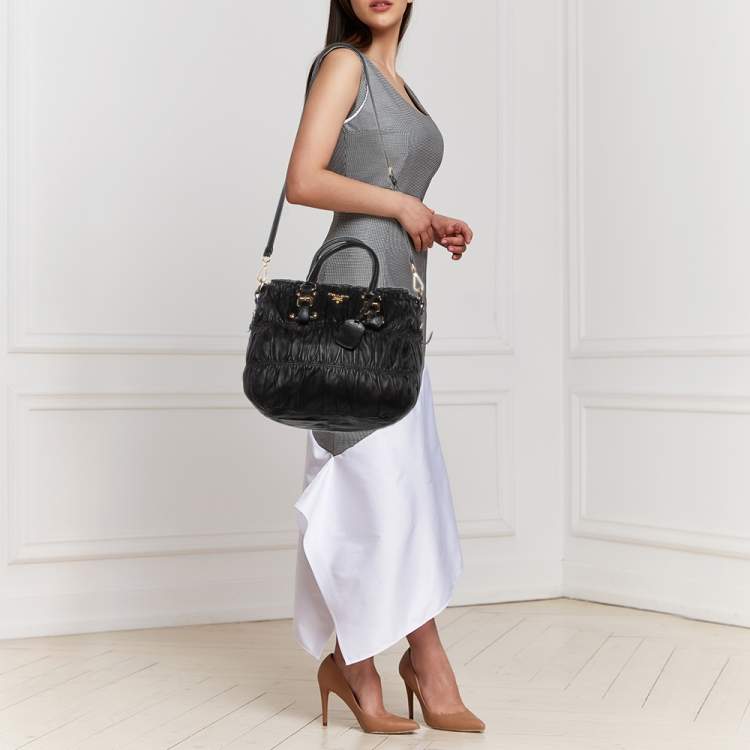
42. Ruched Handbag
Gathered material creates visible folds. Look for gathers along the opening or across the body. The Prada example has rows of gathering across the body. Compare it with a dumpling bag, where the fullest folds often sit closer to the opening.
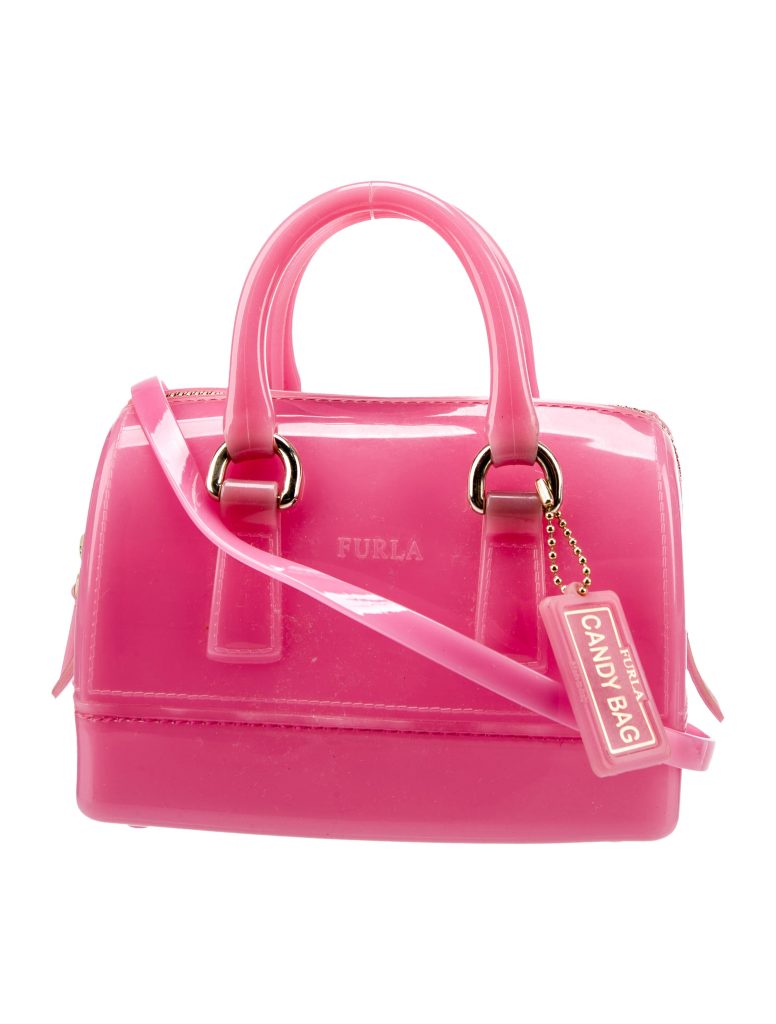
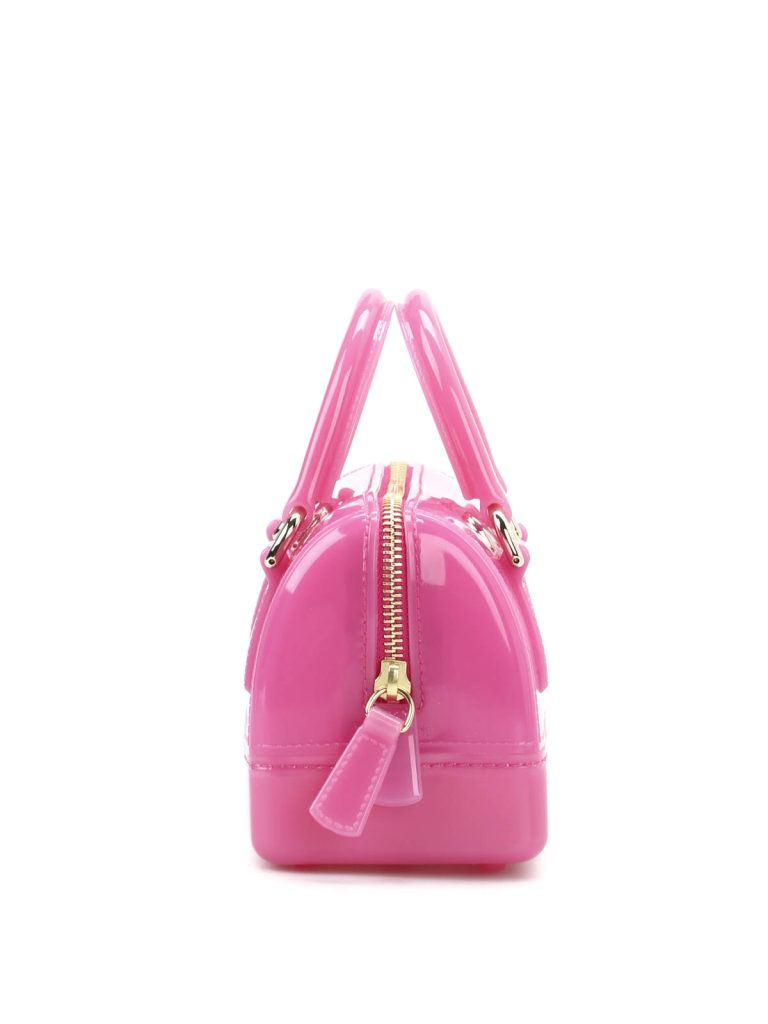
43. Jelly Bag
Glossy, flexible material gives this style its jelly-like look. Translucency makes the effect especially clear. The side photo shows how the flexible material curves around the end panel. The Furla Candy Bag also shows that a jelly finish can be used on a barrel-like silhouette.
44. Geometric Panel Bag
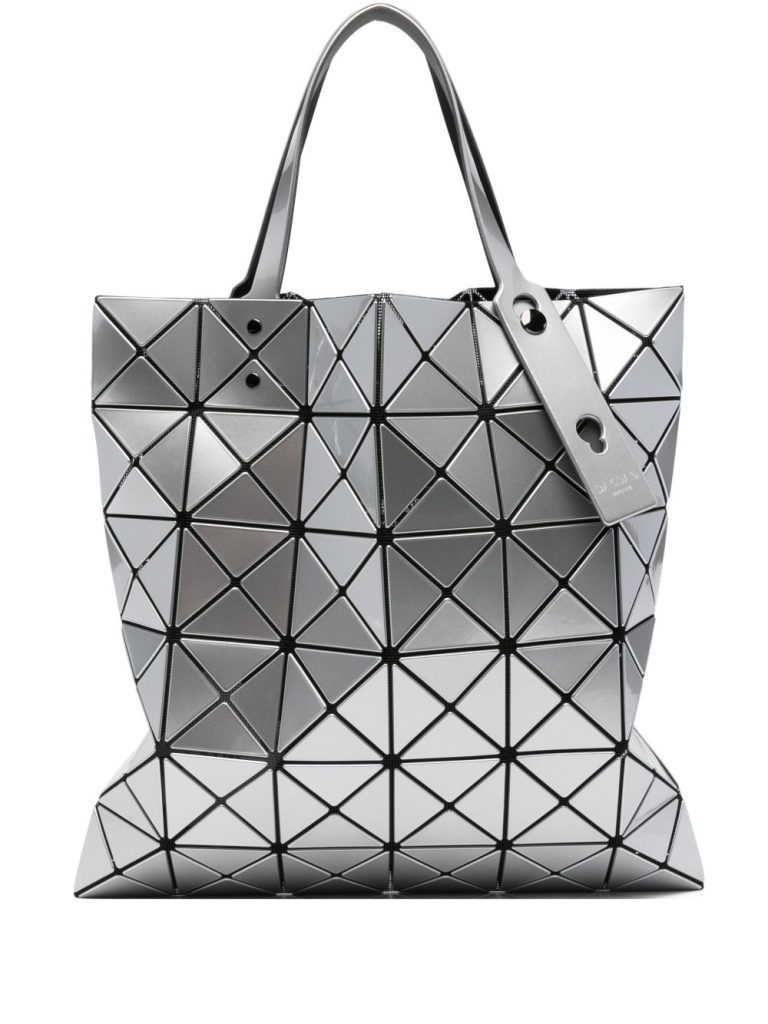
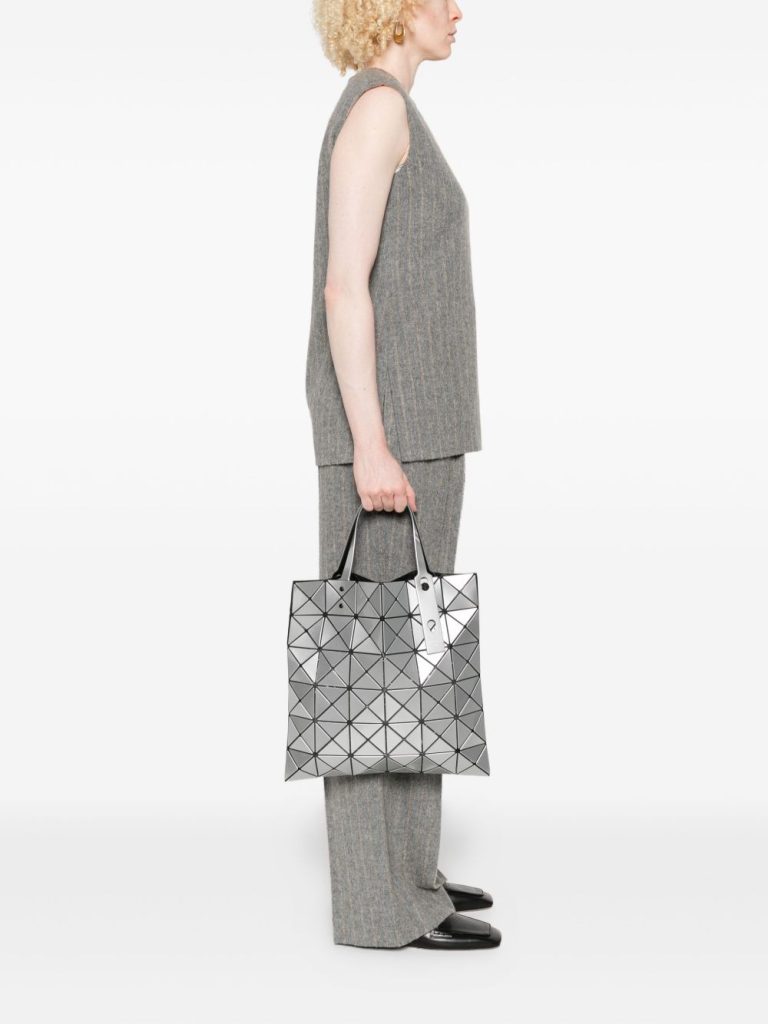
Separate geometric panels form the surface pattern. On a flexible base, the gaps between panels can also affect how the bag folds. The Lucent tote has a grid of individual triangles. As the tote bends, the small gaps between the pieces let the surface change shape.
BAO BAO ISSEY MIYAKE launched as an independent line with its autumn/winter 2010 collection. Lucent was its first series, and the triangular panels show the modular construction that made the line recognizable. BAO BAO brand history · Lucent series
2 Designer Handbags by Name
45. Celine Belt Bag
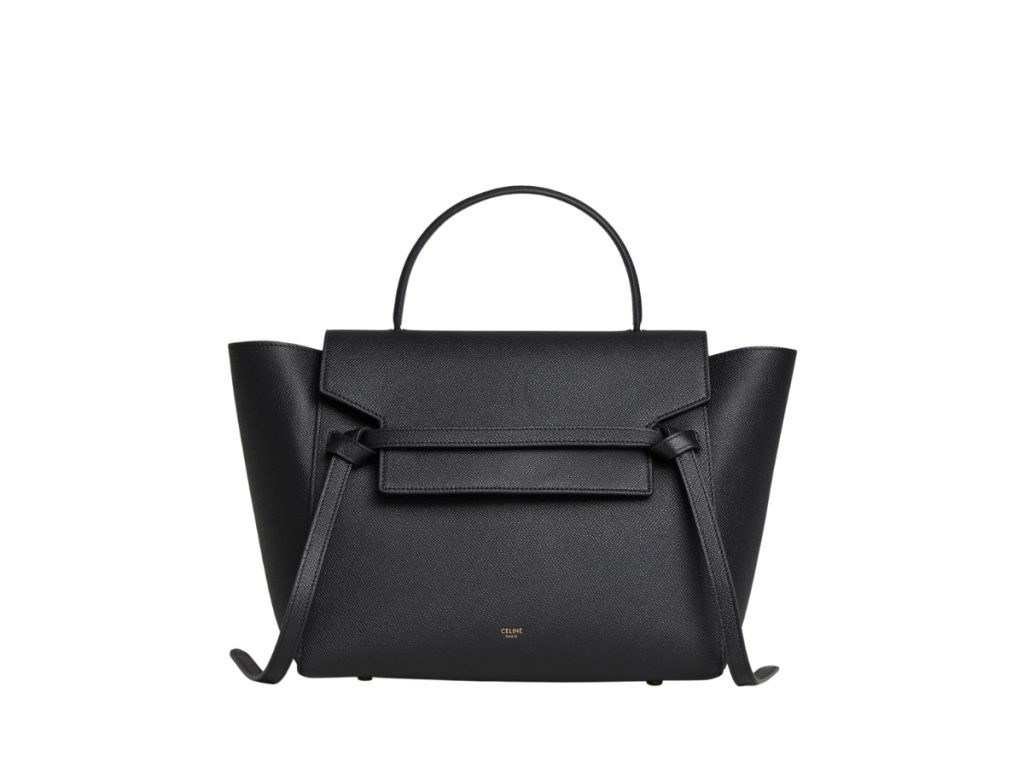
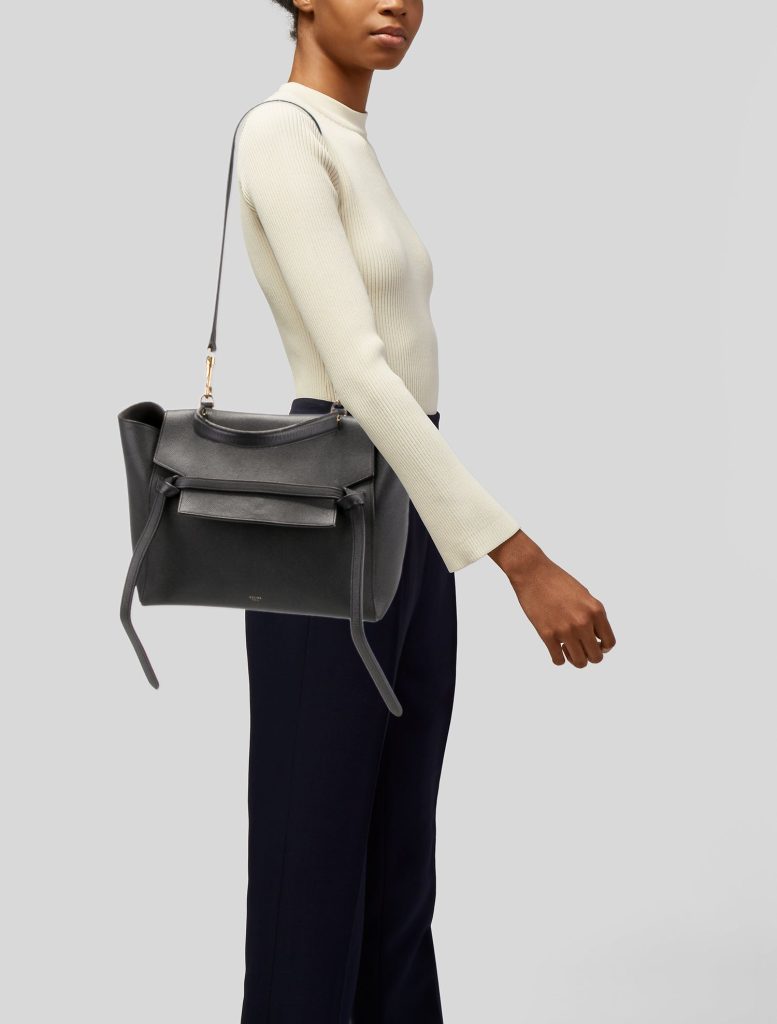
Look for side wings and long leather ends at the front. Belt Bag is the name Celine uses for this model. The leather ties sit below the front flap, where they are especially visible straight on. The shoulder photo shows how the winged profile reads at hip level.
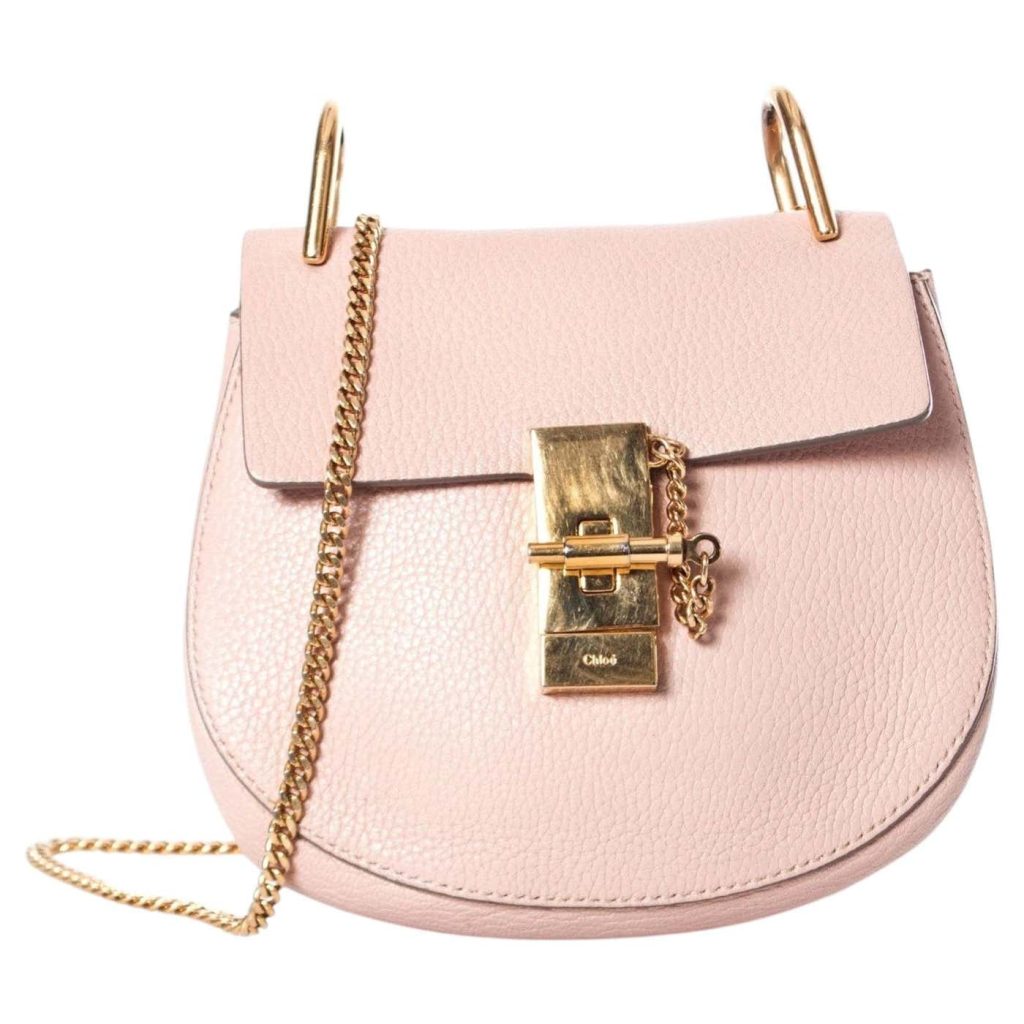
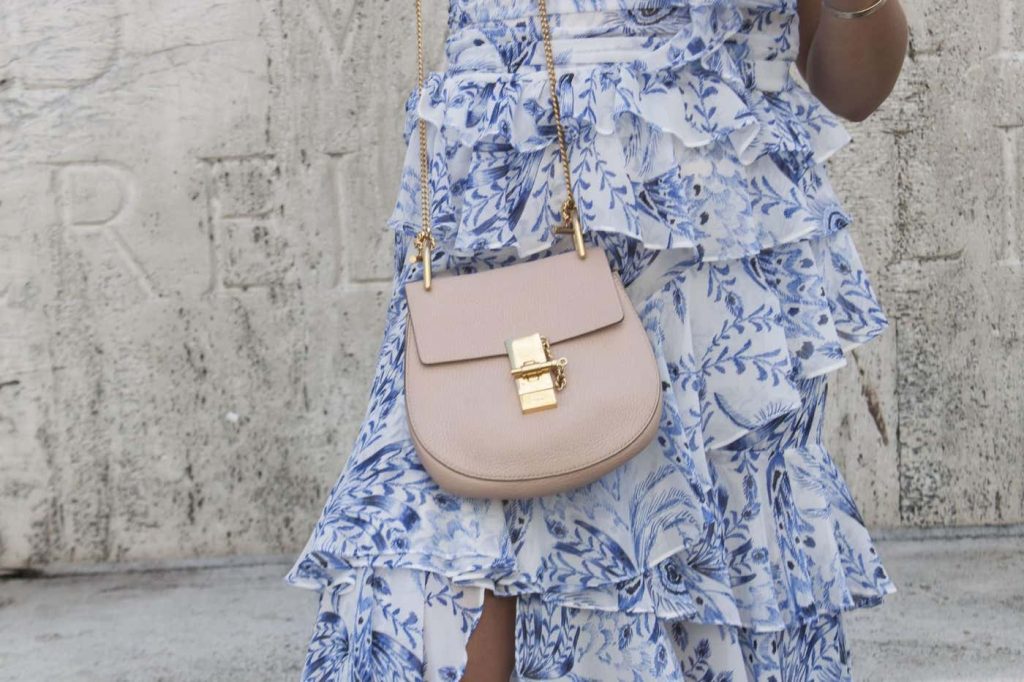
46. Drew Bag
A curved body, chain strap, and prominent front clasp make the Drew recognizable. These features can also help you search for similar bags. The round base softens the look of the flap, while the clasp draws the eye to the center. The chain gives this compact shape a longer carrying drop.
Chloé introduced the Drew during Clare Waight Keller’s tenure as creative director in the 2010s. The combination of a curved body and the gold-tone clasp is the detail to look for in the photos. Chloé archive timeline
3 Frequently Asked Questions
Purse vs. Handbag: What Is the Difference?
In American English, purse often means handbag. In British English, purse usually means a small holder for money. Cambridge Dictionary
What is a small purse called?
Different types of small bags get their names from how you carry them or what they hold. A wristlet has a wrist loop, a clutch is held in the hand, and a phone bag is sized around a smartphone. Mini bag describes size across several styles.
How can I identify a handbag from a photo?
Look at the strap, outline, and opening. If you see a long strap, curved base, and front flap, try searching for a saddle crossbody bag.
How to Identify and Choose a Handbag
To tell different handbag styles apart, look at how the bag is carried, the shape of its body, and how it opens. A saddle bag, for example, has a curved lower edge. Add a long strap and it can also work as a crossbody bag. Searching by those features helps you find similar styles.
If you’re choosing an everyday bag, start with what you carry and how you like to wear it. Then compare the proportions and openings in the photos. For handbag design, product development, or buying, use the same details to turn a reference style into decisions about dimensions, strap length, closure, and material.