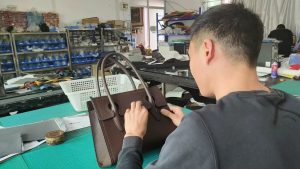
Put a canvas tote, a nylon shoulder bag, and a structured leather handbag side by side. Even if they’re the same size, they’ll feel different in your hand. One may fold flat, another may feel light on the shoulder, and the third may stand upright when you set it down.
The outer material plays a big part in those differences. So do the lining, reinforcement, and hardware. This guide compares eight types of handbag materials by how they look and feel, how they affect the shape of a bag, and which styles they suit.
01. Genuine Leather
Genuine leather can show natural grain, with subtle variation from one part of the hide to another. A thin, supple leather gives a shoulder bag a soft drape. A firmer leather with internal reinforcement can give a work tote a more defined shape.
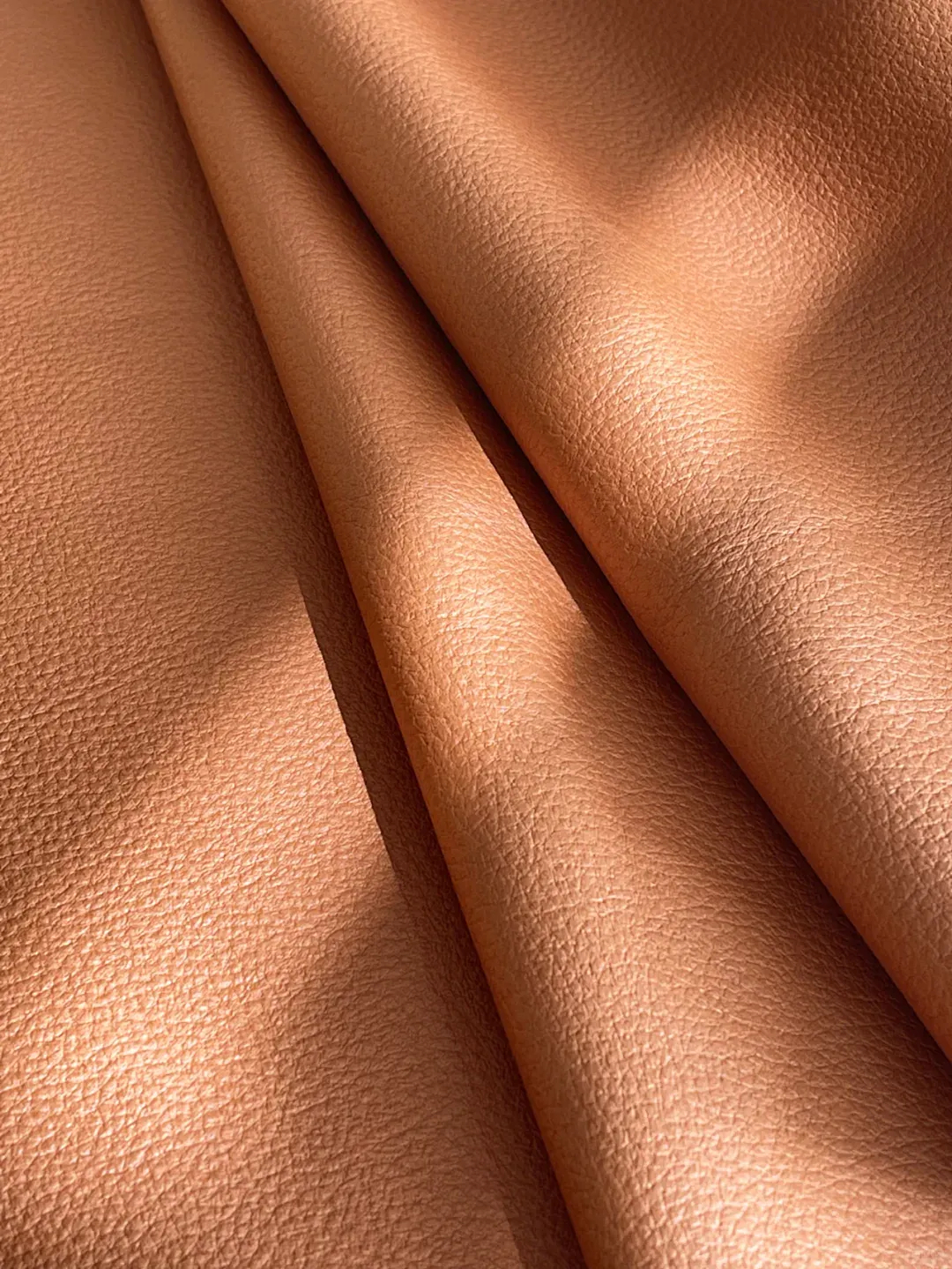
Leather suits everyday handbags, work bags, and structured styles. If you’re comparing larger bags, pick up the finished bag as well as feeling the leather. A firm base and substantial hardware can change how heavy the bag feels before you put anything inside.
02. PU Synthetic Leather
PU synthetic leather is one of the most widely used leather-look materials in mass-market handbags, especially in fashion bags. It can be made with a smooth, fine-grain, pebbled, or glossy finish. That variety makes it easier to carry the same color and texture across a collection of totes, shoulder bags, and smaller accessories.
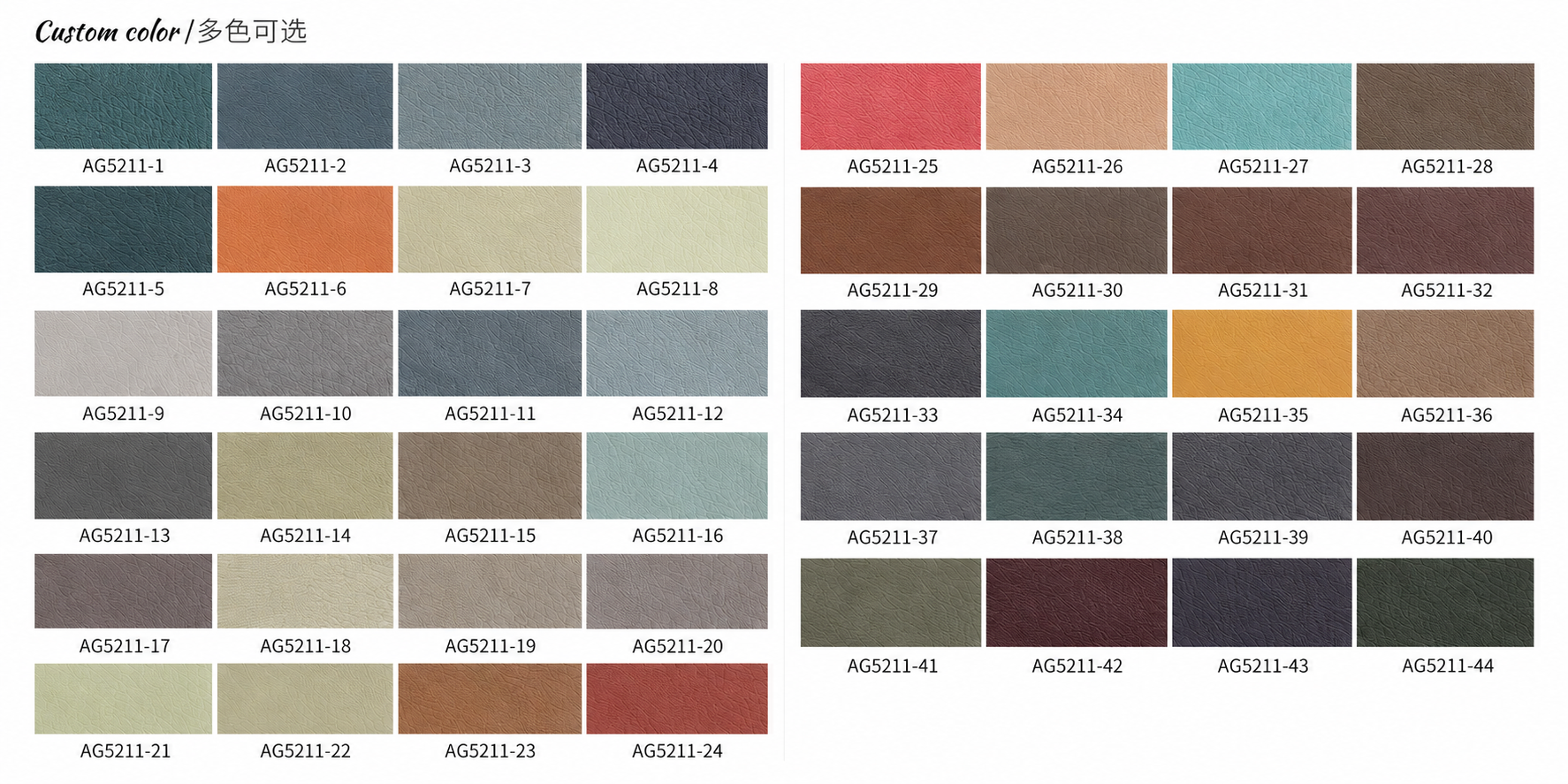
Two PU materials can look similar and still bend differently. Press and fold a swatch to see how it feels and whether it develops visible creases. On a finished bag, look at the flap and handle bases, where the surface bends repeatedly.
03. Canvas and Cotton Fabric
Cotton canvas has a visible weave and a firm feel. A heavier canvas, paired with a reinforced base, helps a tote hold its shape when set down. It works well for everyday totes and casual carryalls.
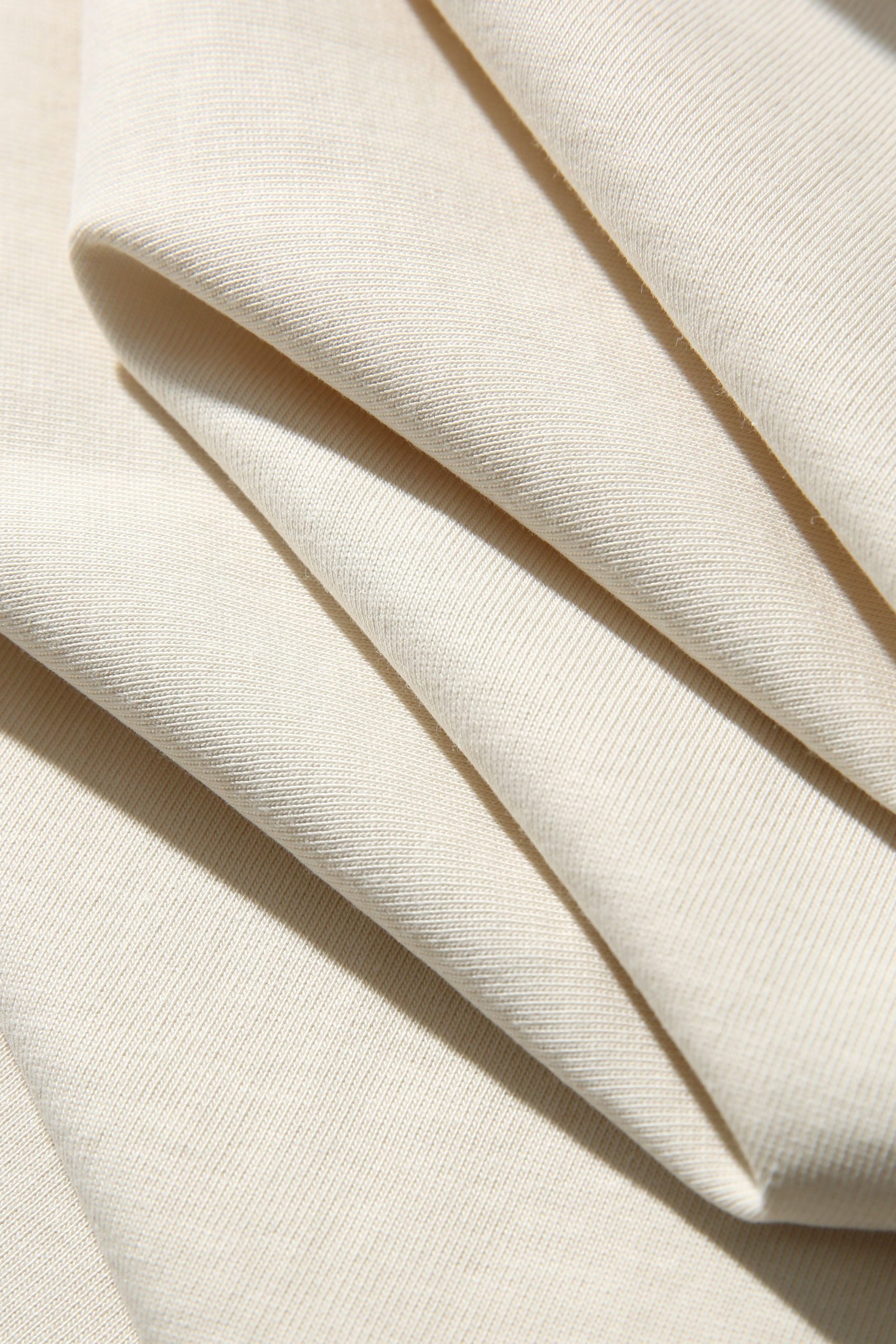
Lighter cotton fabrics, such as cotton poplin, feel smoother and fold more easily. They suit drawstring pouches, dust bags, and linings. If you use lightweight cotton for the outside of a bag that needs to stand upright, add support at the base or sides. Untreated cotton fabrics can absorb water, so check the finish if the bag will be used outdoors.
04. Nylon
Nylon bag fabrics range from thin, flexible weaves to heavier, abrasion-resistant options. Lightweight nylon suits a shoulder bag that needs to feel easy to carry. A sturdier grade may suit a backpack that regularly rubs against clothing or equipment.
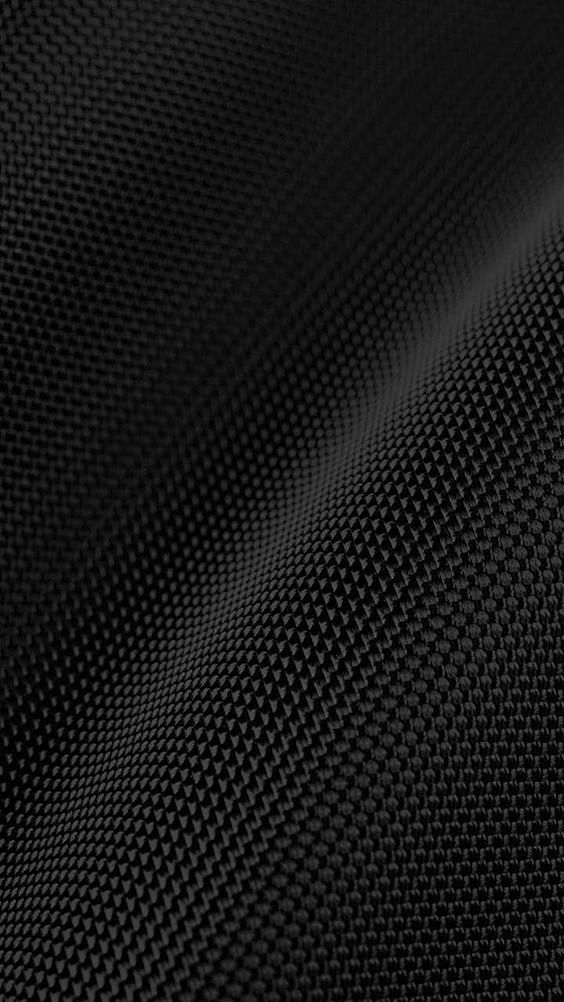
Look at fabric weight, weave, and coating together. A coating can affect how stiff the fabric feels and how it handles moisture. If you want a bag that folds down easily, try folding the finished sample with its lining in place.
05. Polyester and rPET
Both conventional PET polyester and recycled PET polyester, known as rPET, can be used for the bag exterior or lining. Their raw materials come from different sources. How the fabric feels and wears also depends on the yarn, weave, and finish.
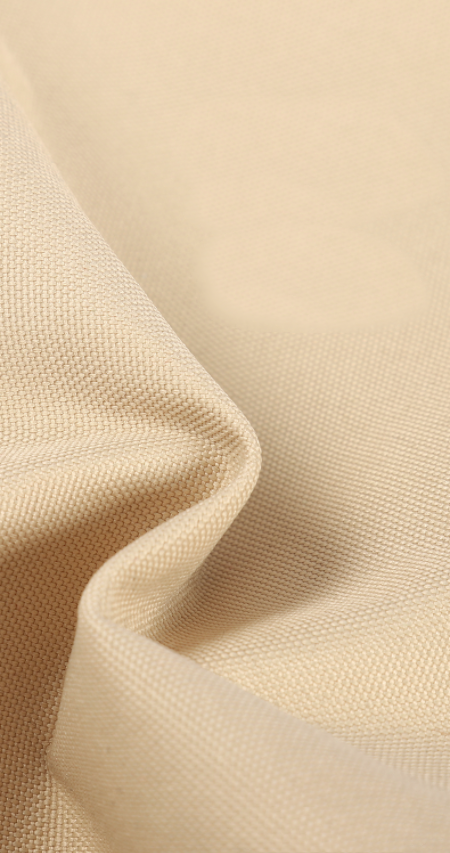
A sturdier woven polyester can work for backpacks and organizer bags. When comparing handbag lining materials, a lighter polyester can help keep pockets and zipper seams from feeling bulky. Run your hand along the inside of the bag and check how easily you can reach into each pocket.
06. Clear PVC and TPU
Clear PVC and TPU can both create the see-through look used in transparent totes, cosmetic pouches, and jelly bags. Compare samples of similar thickness against the same background. That makes it easier to see differences in clarity and in the marks left after bending.
A clear tote that should stand upright needs enough stiffness to support its sides. A small cosmetic pouch may be easier to use if the material is soft enough to pull the opening wide.
07. Straw, Hemp, and Linen
Woven straw gives basket bags and vacation totes a pronounced texture. Hemp and linen fabrics can give summer shoulder bags a softer, more relaxed drape, depending on the weave and construction.
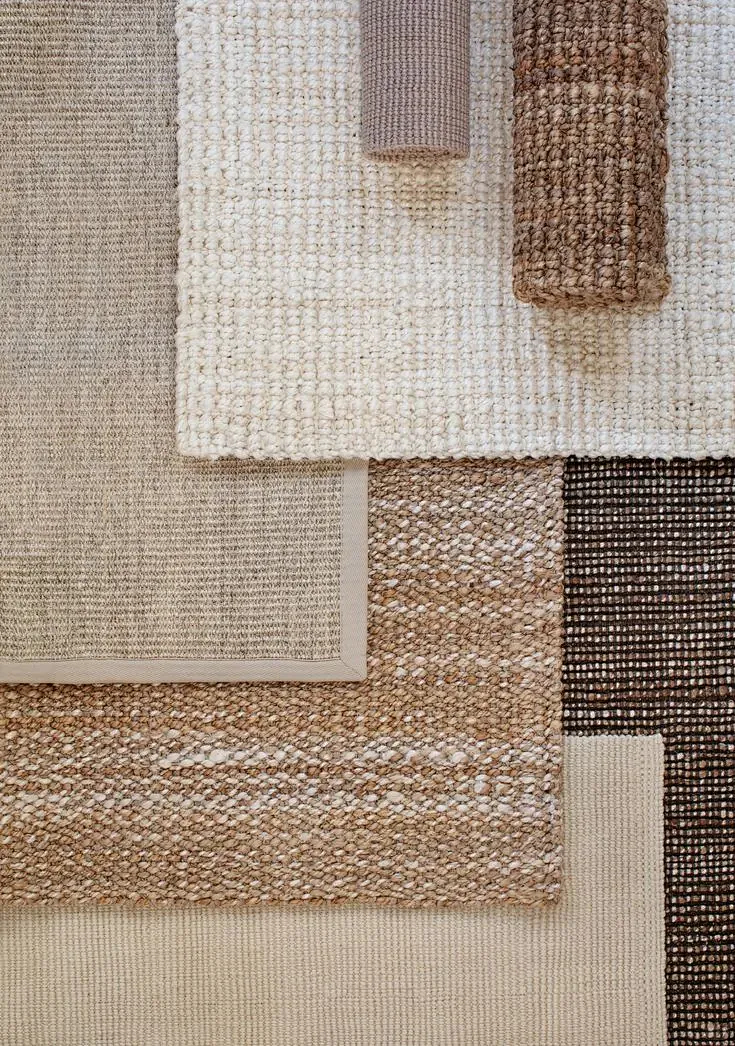
Check how the material feels where it touches your arm or shoulder. If the weave is open and you plan to carry keys or cards, a lining can keep small items from slipping through the gaps.
08. Faux Fur
Faux fur adds a soft surface and a fuller silhouette. Short pile leaves the bag’s outline easier to see. Long pile adds volume, especially around the edges. It works well for compact fall and winter bags, short-strap shoulder bags, and trims.
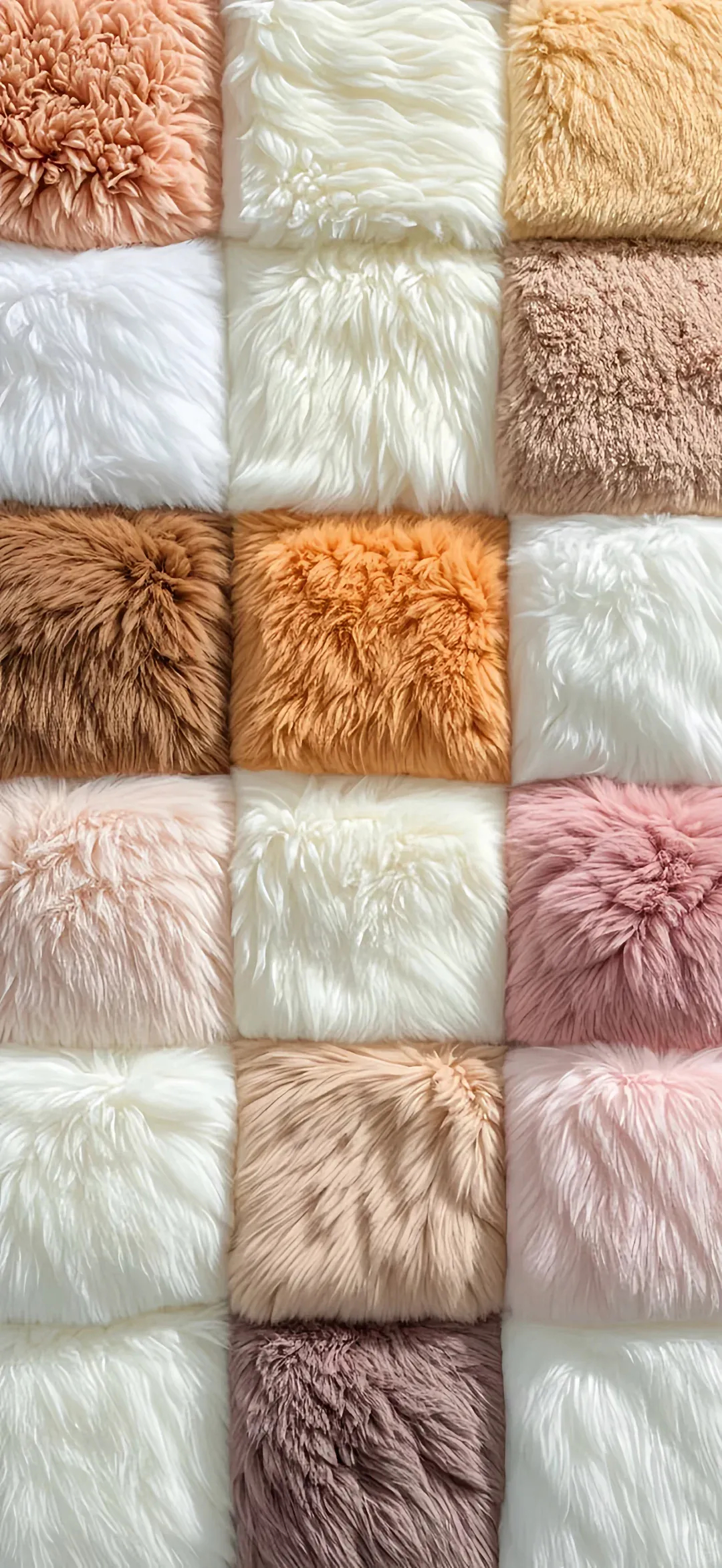
Check whether the fabric sheds and whether the seams feel bulky. Open and close the bag a few times, particularly if the zipper runs close to the pile.
Which Handbag Material Should You Choose?
Start with the bag’s everyday job. Choose canvas if you want a visible weave and a casual look. Consider lightweight nylon if you want the bag to be easy to carry and pack. If you want a defined shape and a leather-like finish, try a firm PU paired with suitable reinforcement. Genuine leather is another option if the feel and grain are important to the design.
For the clearest comparison, try the same tote shape in two or three materials. Put the same items in each bag, carry it for a moment, and set it down. You’ll see which one keeps its shape, which one feels lighter, and which one is easiest to use.