A leather handbag can pick up a surprising number of marks in a normal week. Dust collects around the seams, hand cream leaves a smudge on the handle, and a sudden shower can leave water spots on the flap. Before you try to remove any of them, check what the bag is made of and how the leather surface was finished. Those details tell you more about how to clean the bag than the words genuine leather on their own.
What Does Genuine Leather Mean?
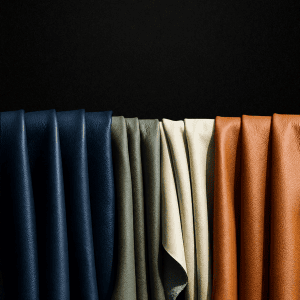
Genuine leather is natural leather made by tanning animal hide or skin, such as cowhide, sheepskin, or goatskin. Tanning preserves the hide’s natural network of fibers. The leather can vary in texture, flexibility, and breathability depending on the hide and how it was finished. On some finishes you can see natural pores and grain variation. On others, a coating or embossed grain makes those details harder to see.
Full-grain leather comes from the outer layer of the hide and retains its original grain surface. Other leather from that outer layer can be buffed or embossed to create a more uniform appearance. Split leather comes from a lower layer. It can be made into suede or given a coating and a smooth or textured finish. A genuine leather label can apply to either layer.
What Is the Difference Between Genuine Leather and PU Leather?
If you’re comparing handbag materials, check what the surface and backing are made of. These four terms describe alternatives with their own construction.
- PU synthetic leather. A polyurethane surface is commonly applied over a fabric backing.
- Faux leather. This is a broad term for materials made to look like leather, including many PU and PVC products.
- Microfiber leather. This synthetic material typically uses a fine synthetic-fiber backing with polyurethane.
- Bonded leather. Leather fibers or particles are bound together to make a sheet. It contains leather material in a reconstituted form.
A PU-coated leather split is a separate case. It has a layer of animal hide beneath the coating. If a seller says only PU leather, ask whether the backing is fabric or split hide. The surface can look similar in photos.
Genuine leather handbags generally cost more than comparable PU bags. A well-made leather bag can last for years with suitable care. For an everyday bag, compare the finished products as well as the leather. Check the stitching at the handles and strap attachments, the finish on the corners, and whether the bag feels comfortable with your usual items inside.
How to Clean a Genuine Leather Handbag by Finish
Check the maker’s care instructions before using moisture or any cleaning product. If you’re unsure about the finish, start by gently removing loose surface dust.
| Leather finish | How to clean it |
|---|---|
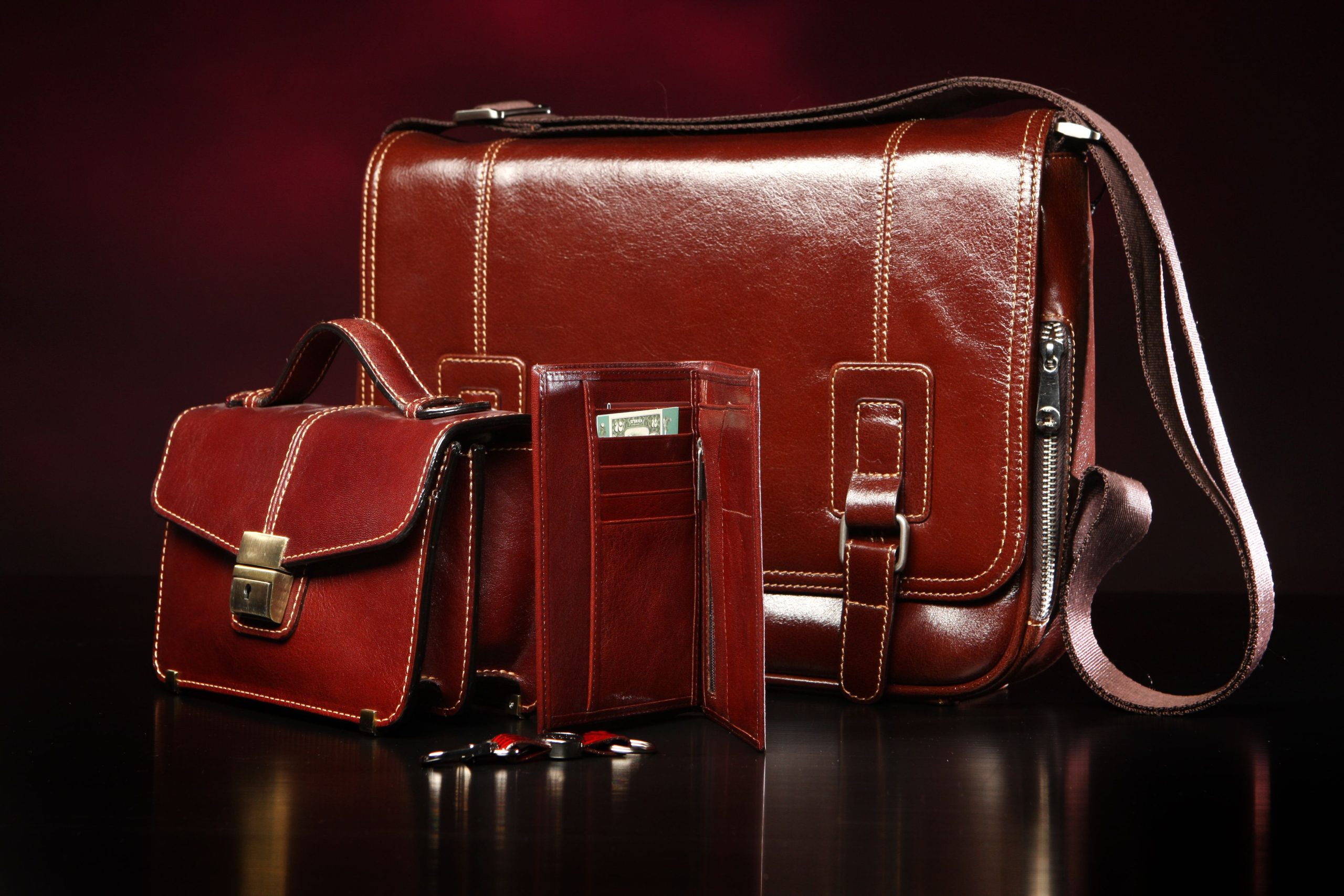
| Smooth finished leather | Wipe with a soft, dry, lint-free cloth. If the care instructions allow damp wiping, test a barely damp cloth in a hidden area. Let the spot dry and check the color and sheen before wiping more of the bag. |
| Suede or nubuck | Use a soft brush designed for the material to lift dry dust. Work gently, especially around seams and edges. Check the care instructions before treating marks that brushing leaves behind. |
| Oiled or waxed leather | Start with a soft, dry cloth. If the maker recommends a cleaner or conditioner, try it in a hidden spot first. Let it dry so you can see whether it changes the color or sheen. |
What to Do About Water, Oil, and Dye Transfer
- Rain or water spills. Press a clean, absorbent cloth gently against the wet area. Let the bag air-dry at room temperature, away from direct heat and sunlight.
- Oil, makeup, or hand cream. Blot away any excess with a clean, dry cloth. If a mark remains, ask a leather-care specialist about your specific finish before applying a product.
- Ink or dye transfer. Blue marks from denim can be especially noticeable on pale bags. Avoid scrubbing the spot or reaching for a household stain remover. A specialist can advise on how to treat it without spreading the mark.
Does a Leather Handbag Need Conditioner?
That depends on the finish and the maker’s instructions. If a conditioner is recommended, use a small amount on a hidden spot first. Keep alcohol wipes, hand sanitizer, and household detergents away from the leather. Between uses, store the dry bag in a breathable dust bag. A little clean, undyed tissue paper can help a soft bag hold its shape, especially if it will be stored for a while.