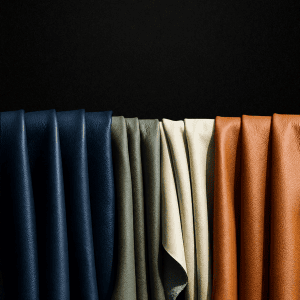
How are handbags made? It starts with a design brief. Before it is ready to ship, that design has to be translated into patterns, cut from the chosen materials, sewn and assembled, then checked against the approved specifications. Decisions made early in the process, such as the choice of lining or how the handles are reinforced, can affect how the finished bag looks, feels, and holds up in use.
If you’re launching a handbag brand or developing a new collection, understanding the handbag manufacturing process helps you prepare a clearer brief, discuss options with your manufacturer, and know what to check before approving bulk production. Here are the eight steps, from design and development to final packaging.
01. Design & Development
Start with how the bag will be used. Different types of handbags call for different design decisions. A work tote may need room for a laptop and handles that fit over a coat. An evening clutch may only need space for a phone, cards, and keys.
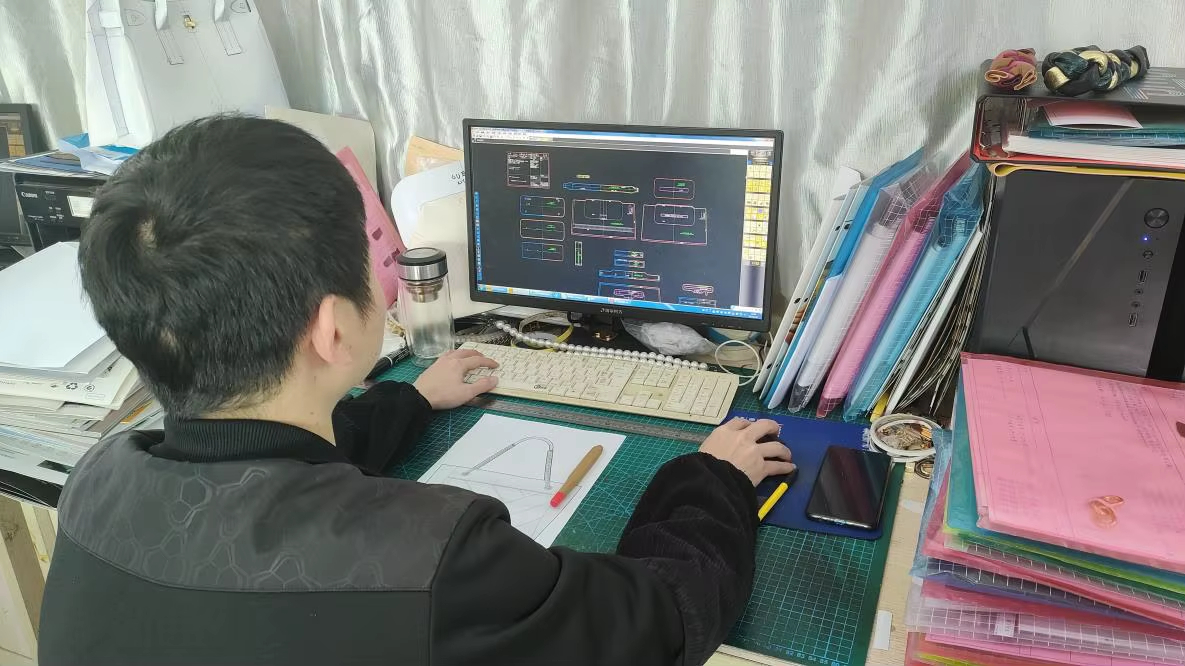
Sketches, technical drawings, and a product specification sheet help turn the idea into something a manufacturer can develop. Record the bag’s dimensions, handle drop, strap length, pocket layout, closure, and hardware finish. Clear specifications give the sample team a reference for both appearance and function.
02. Material Selection
Choose the outer material based on the bag’s intended use, shape, weight, and target cost. Genuine leather, PU synthetic leather, canvas, nylon, and polyester are common options. A soft shoulder bag may need a material that drapes naturally, while a structured handbag may need reinforcement to help it hold its shape.
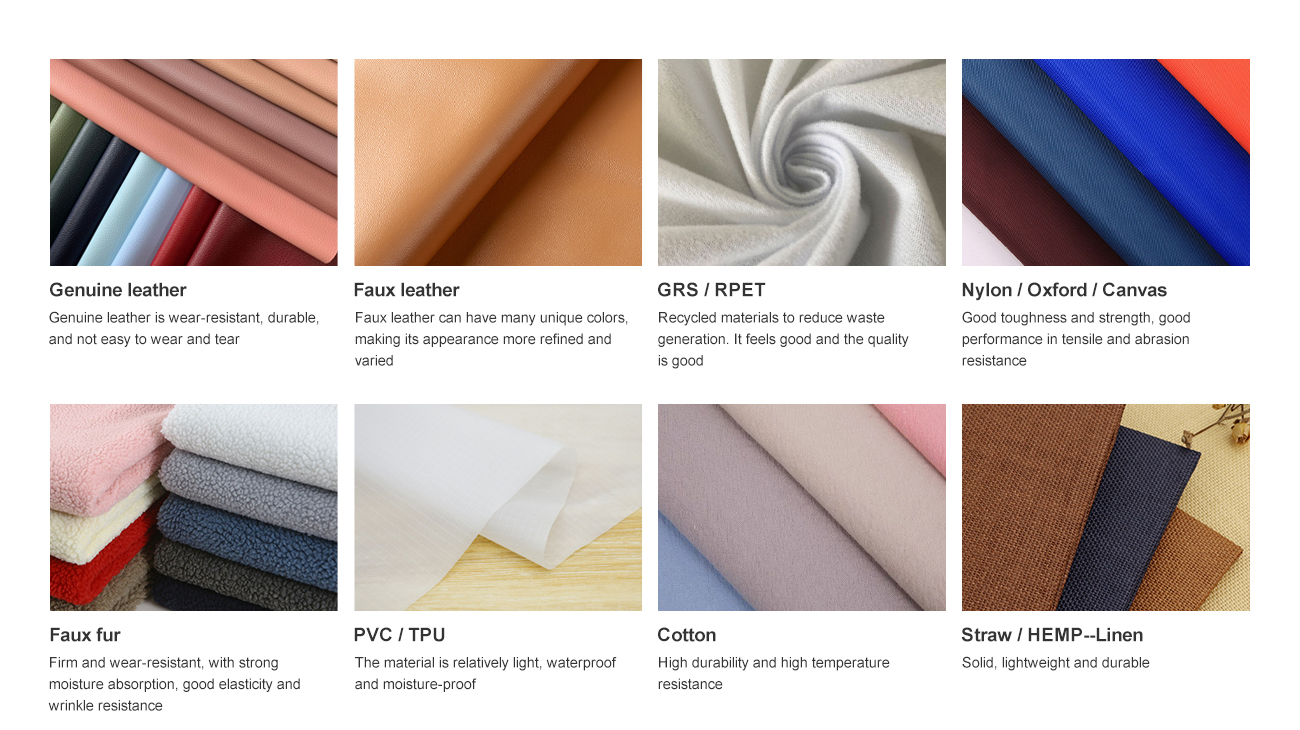
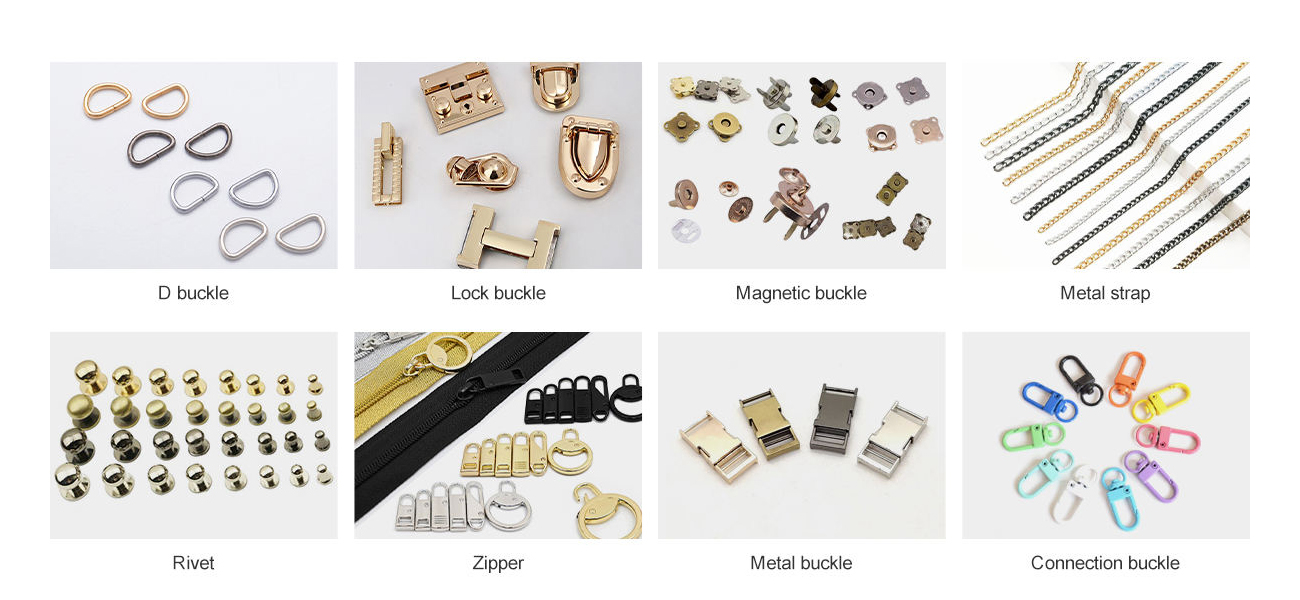
Select the lining, thread, zippers, buckles, and other hardware alongside the outer material. For example, a lightweight fabric may need extra support where a metal clasp or shoulder strap attaches.
03. Pattern Making & Sample Development
A pattern maker translates the design into individual pattern pieces for the front and back panels, gusset, base, lining, pockets, and straps. Each piece accounts for the finished dimensions, seam allowances, and how it connects to the other parts.
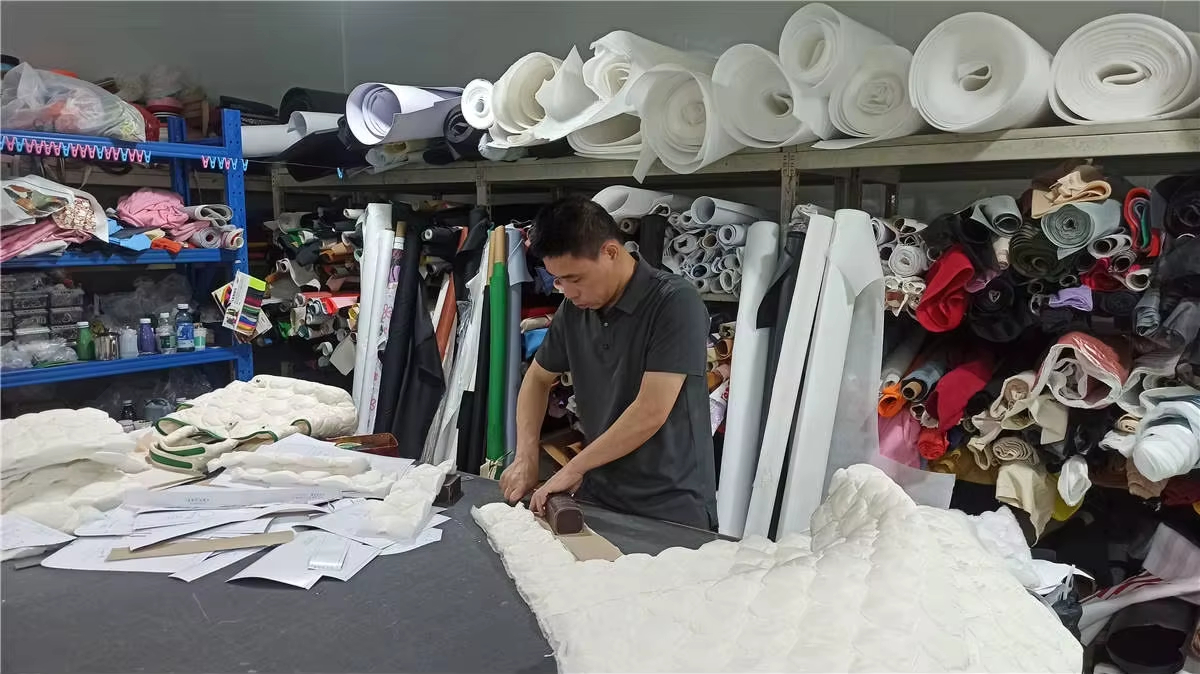
The team can then make a sample to check the bag’s proportions, capacity, and construction. Use the sample to check details that are hard to judge from drawings, such as whether the opening is easy to reach into or whether the strap sits comfortably on the shoulder. If you need to review the sample in person, it can be shipped by your preferred courier. Approve any changes before bulk cutting begins.
04. Material Cutting
The cutting team checks the material before laying out the approved patterns. Layout matters for both appearance and material use. Leather panels may need to be positioned around visible marks, while printed or woven fabrics may need to be aligned so the design lines up across seams.
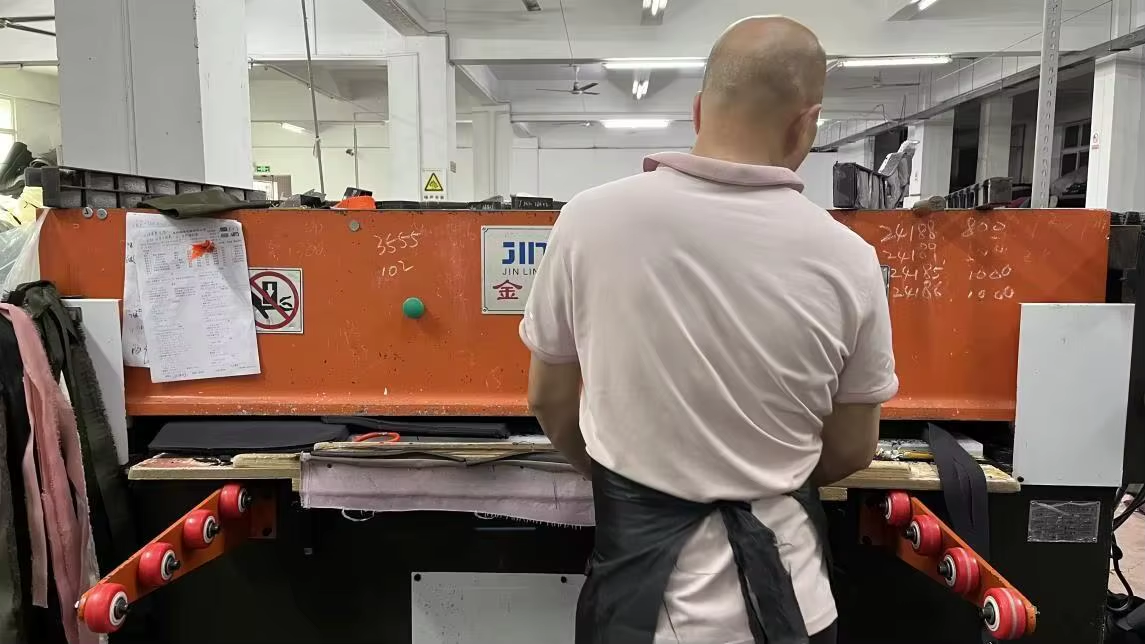
Accurate cutting helps matching pieces fit together during assembly. Even a small difference between two panels can affect the symmetry or finished dimensions of the bag.
05. Component Preparation
The cut pieces are prepared for assembly. Depending on the design and material, this can include skiving leather edges to reduce bulk, folding or binding edges, applying edge paint, adding reinforcement, and printing or embossing a logo.
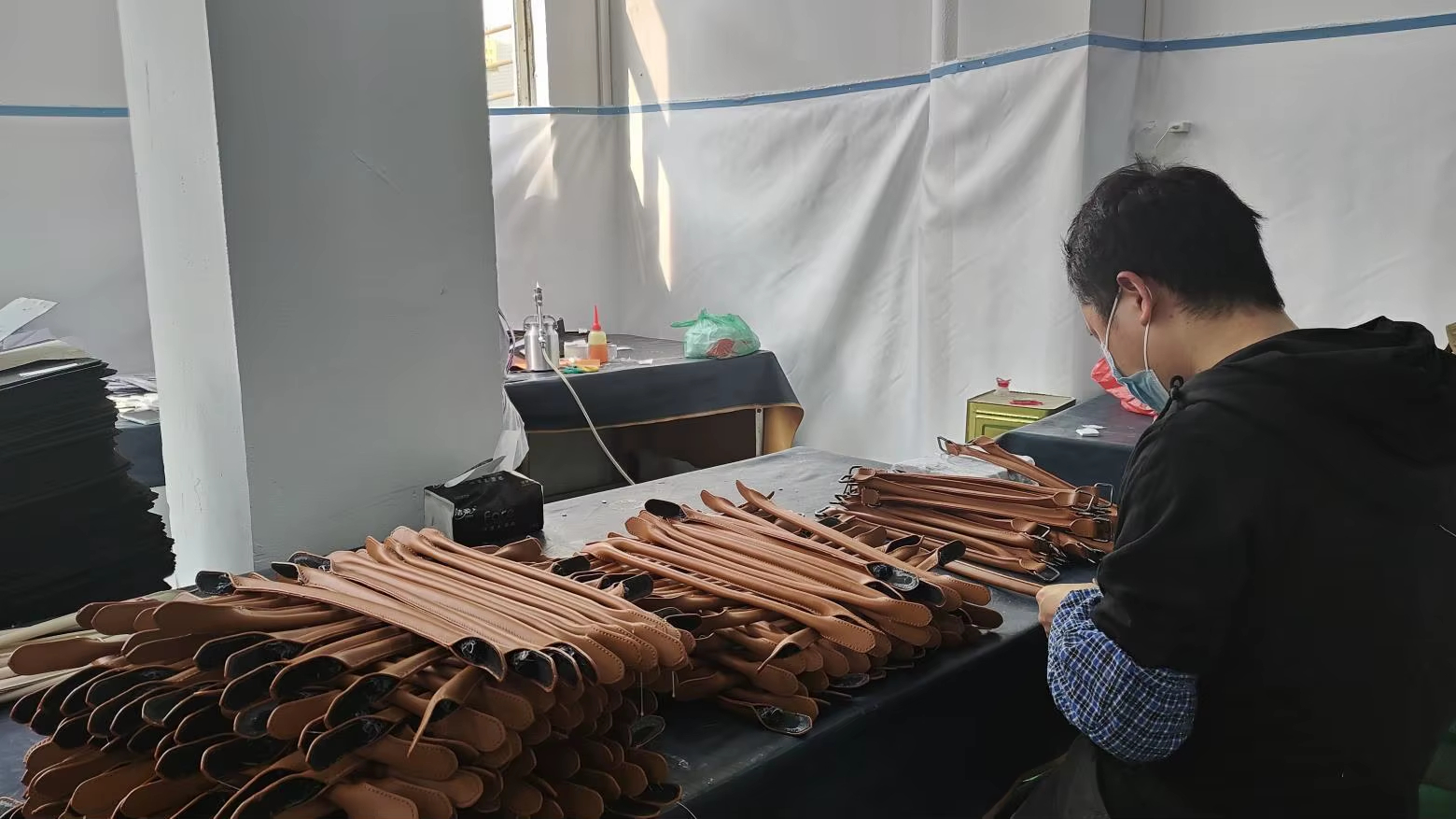
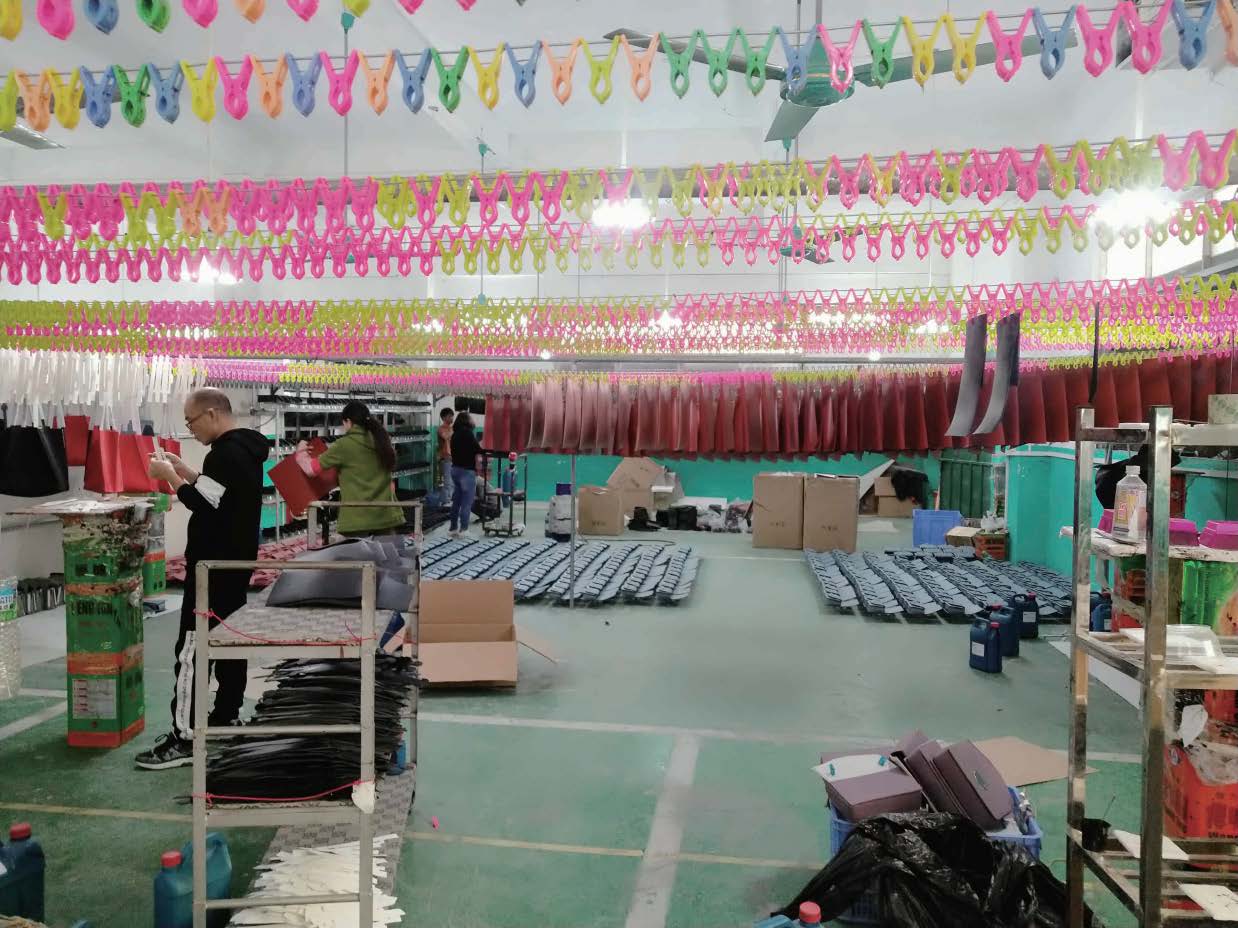
Some hardware is installed at this stage if the back of the panel will be hard to reach once the bag is assembled. The order depends on the bag’s construction.
06. Sewing & Assembly
The sewing team joins the prepared pieces to build the bag. Pockets and zippers are often sewn into their panels first. The team then assembles the body and lining and attaches the handles, straps, or remaining hardware in the sequence required by the design.
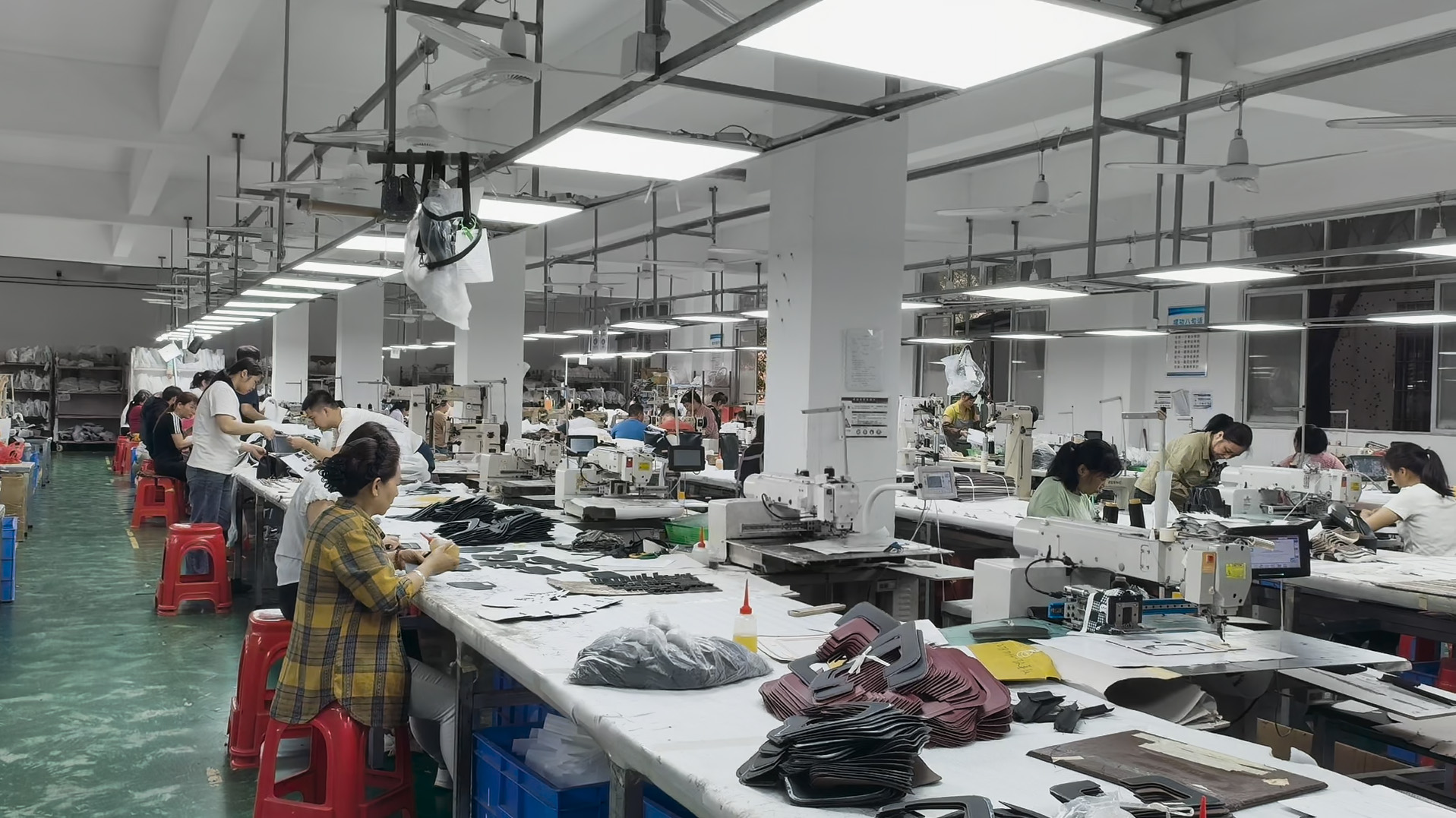
At this stage, pay particular attention to stitch consistency, seam alignment, and reinforcement at points that carry weight, such as handle bases and strap attachments.
07. Quality Control
Finished bags are checked against the approved sample and product specifications. Inspectors typically review dimensions, stitching, material appearance, edge finish, logo placement, and overall workmanship. They also check that zippers, buckles, and clasps work smoothly and that handles and straps are securely attached.
Any issues identified during inspection are addressed before the bags move to packaging. Using the same inspection criteria across the batch helps keep the finished products consistent.
08. Packaging & Shipment
After inspection, the bags are cleaned, shaped as needed, and packed according to the brand’s specifications. Packaging may include protective wrapping, dust bags, hangtags, labels, branded boxes, or shipping cartons. Structured bags may also need stuffing or other support to help them retain their shape in transit.
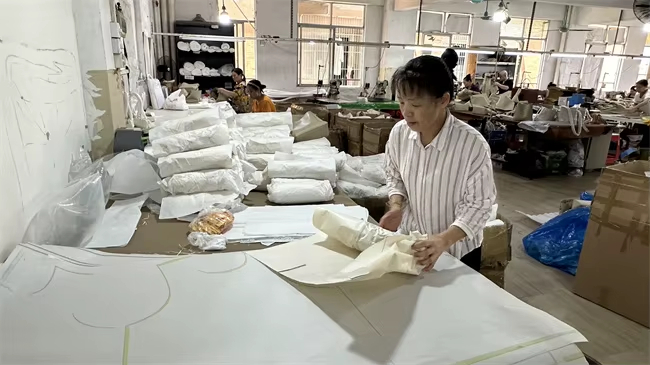
The finished units are counted, packed into cartons, and prepared for shipment according to the agreed delivery arrangements.
Planning Your Next Handbag Collection
For a smoother production run, agree on the approved sample, the final material and hardware specifications, and the quality criteria the finished bags need to meet. These give your team and the manufacturer a shared reference throughout production.
RINA FASHIONBAG supports custom handbag manufacturing from design development and material selection through sampling and bulk production. If you’re developing a new collection or adding a style to your existing line, contact us to discuss your design, target quantity, and production timeline.